Trusted Writing on History, Travel, and American Culture Since 1949
SEARCH 75 YEARS OF ESSAYS!
Featured Essays
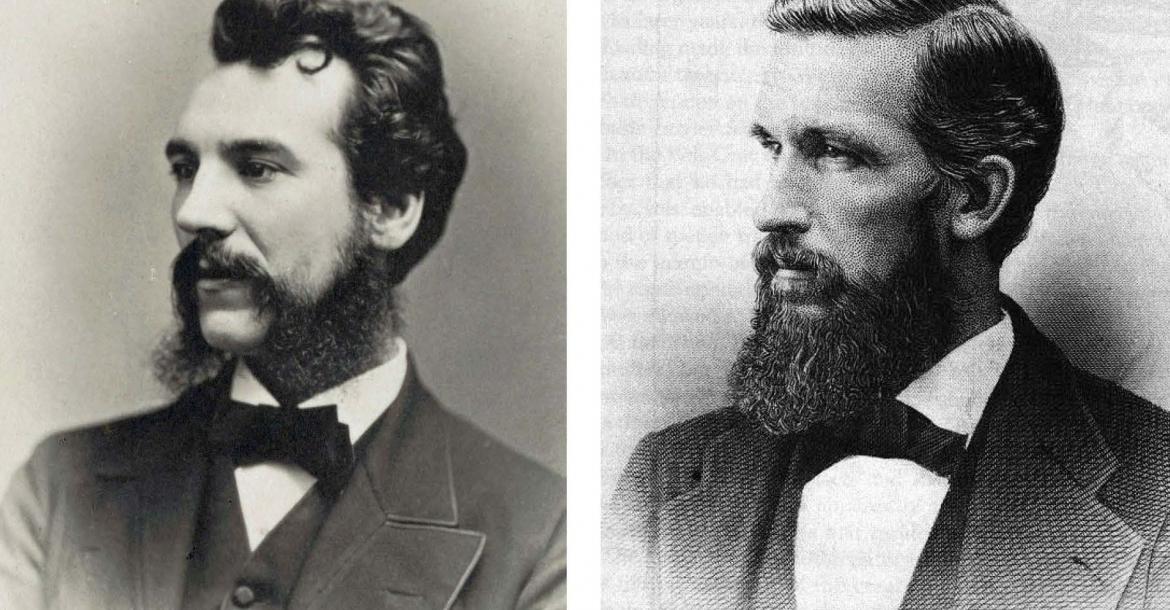
Some writers ignore a mountain of evidence contrary to their theories about the telephone's development.
New evidence finally settles the 150-year-old debate as to whether Alexander Graham Bell or Elisha Gray first invented the telephone.
Museums and historic sites across the Southeast help us better understand Andrew Jackson, who helped define American democracy but also championed the brutal treatment of indigenous peoples.
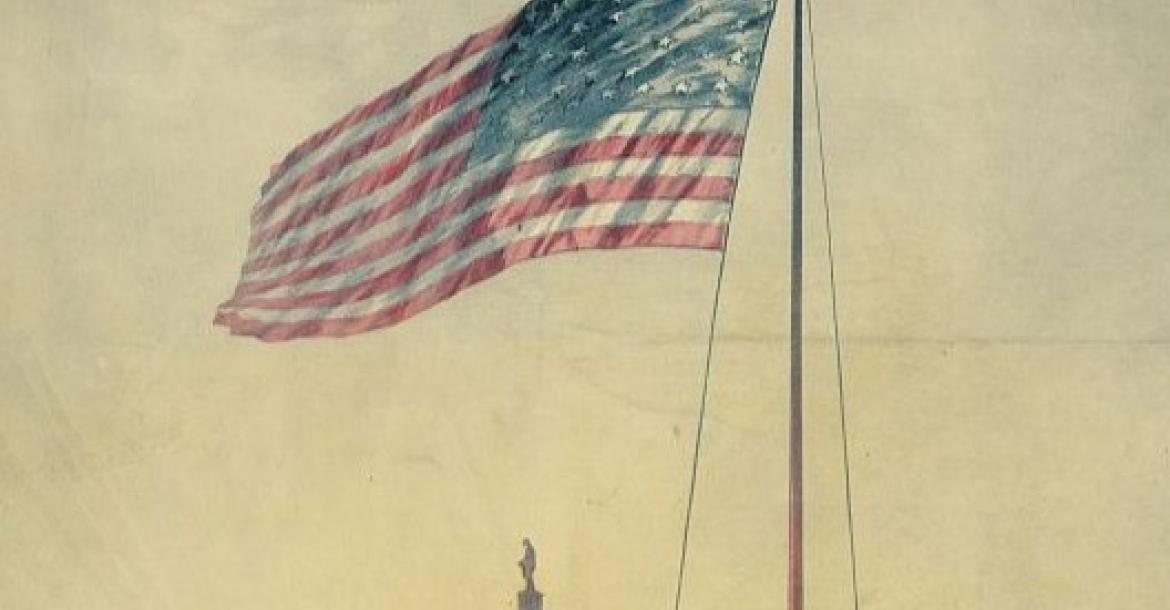
America 250!
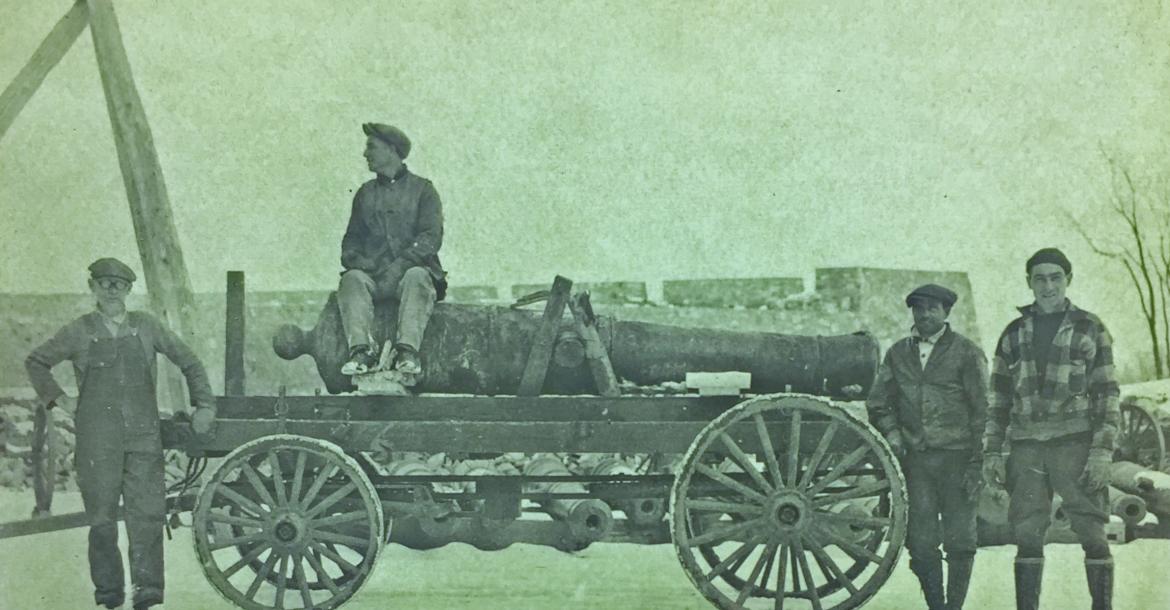
Big Guns For Washington | April 1955, Vol 6, No 3
By Clay PerryHow tough Henry Knox hauled a train of cannon over wintry trails to help drive the British away from Boston

American Rebels at Sea | Summer 2022, Vol 67, No 3
By Eric Jay DolinAn estimated 1500 privateering ships played a crucial role in winning the American Revolution, but their contributions are often forgotten.
The Plight of Massachusetts Loyalists | Spring 2024, Vol 69, No 2
By Larry C. KerpelmanIn “the cradle of the American Revolution,” loyalists to the Crown faced a harsh choice: live with terrible abuse where they were, or flee to friendlier, but alien regions.
For America’s 250th Birthday, Let’s Think Local | Summer 2023, Vol 68, No 4
By Hans ZeigerCommunities around the U.S. hope that the nation's upcoming 250th anniversary will inspire Americans to appreciate the importance of shared experience and preserving history.
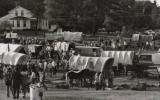
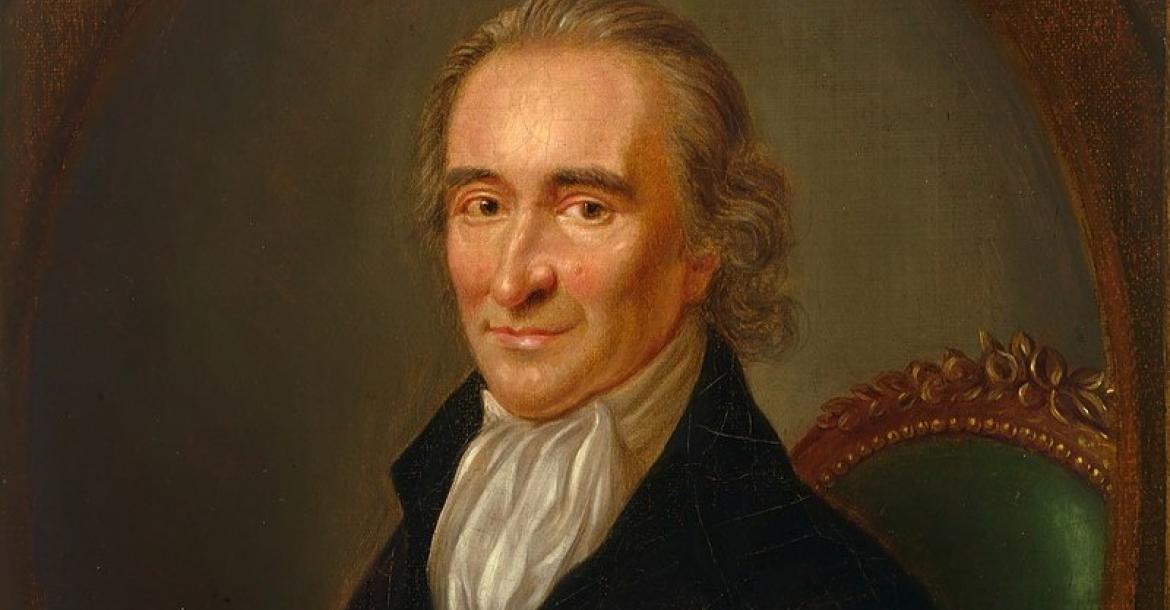
How One Man Launched a Revolution | Spring 2018 , Vol 63, No 1
By Christine GibsonThomas Paine's Common Sense helped Americans "decide upon the propriety of separation,” as George Washington said.
Classic Essays from the Archives
America: Experiment or Destiny? | June 1977, Summer 2025, Vol 70, No 3
By Arthur Schlesinger Jr.We can take pride in our nation, not as we pretend to a commission from God and a sacred destiny, but as we struggle to fulfill our deepest values in an inscrutable world.
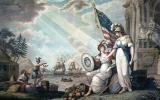
Did Castro Okay the Kennedy Assassination? | Winter 2009, Vol 58, No 6
By Gus RussoIncriminating new evidence has come to light in KGB files and the authors' interviews of former Cuban intelligence officers which indicates that Fidel Castro probably knew in advance of Oswald's intent to kill JFK.
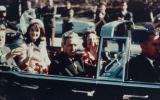
Finding the Real Jamestown | Winter 2008, Summer 2025, Vol 70, No 3
By William M. KelsoThe archaeologist who discovered the real Jamestown debunks myths, and answers age-old mysteries about North America's first successful English colony.
SUPPORT AMERICAN HERITAGE BY BUYING A NEW EBOOK!