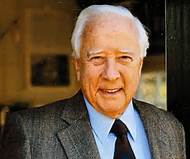
David Mccullough
David McCullough, a noted presidential biographer, has won two Pulitzer Prizes, in 1993 for Truman, and in 2002 for John Adams. The latter was the basis for a HBO mini-series of the same name. In December 2006, McCullough was awarded the Presidential Medal of Freedom by President George W. Bush.
Articles by this Contributor
February 1966
One thing was clear through the rain and the mist: America’s enthusiasm for Miss Liberty matched her colossal dimensions
June 1966
In the hills above Johnstown the old South Fork dam had failed. Down the Little Conemaugh came the torrent, sweeping away everything in its path
October 1967
Newport it was not; but to judge by its summertime throngs, its religious fervor, and the exuberance of its architecture, there was nothing to match the likes of the “Cottage City of America ”
December 1969
In the hills of Kentucky a small-town lawyer named Harry Caudill battles to save his homeland from the ravages of strip mining
June 1971
The Big Ditch had so far been a colossal flop, and Teddy Roosevelt desperately needed an engineering genius who could take over the job and “make the dirt fly.” The answer was not the famous Goethals, but a man whom history has forgotten.
August 1973
Harriet Beecher Stowe, an extraordinary member of an extraordinary family, always claimed that God wrote Uncle Tom’s Cabin
June 1976
Mile for mile, it cost more in dollars—and lives—than any railroad ever built
December 1979
THE EXTRAORDINARY ORIGINAL DRAWINGS OF THE BROOKLYN BRIDGE
December 1983
Harry Truman’s lifetime correspondence with his adored Bess opens a window on their time
April/May 1986
A noted historian’s very personal tour of the city where so much of the American past took shape—with excursions into institutions famous and obscure, the archives that are the nation’s memory, and the haunts of some noble ghosts

American Heritage is proud to host the
National Portal to
Historic Collections
Recently added:
- American Revolution Center
- National Museum of Civil War Medicine
- National Museum of the U.S. Navy
- Manassas National Battlefield
- Maryland State House
In association with the
American Association for State and Local History
Civil War Chronicles
Breaking News & Real-time Coverage
From the Editors of American Heritage
-
March 12, 1862
JACKSONVILLE, FL—Union forces from the USS Ottawa, led by Lieutenant Thomas Stevens, land and seize Jacksonville unopposed.
-
March 9, 1862
HAMPTON ROADS, VA—The USS Monitor and CSS Virginia clash for nearly four hours in the first naval battle between ironclads. Neither ship could claim victory, but the battle revolutionized naval warfare.
-
March 8, 1862
BENTON COUNTY, AR—Union Brigadier General Samuel R. Curtis leads an outnumbered Union army to victory at the Battle of Pea Ridge. This victory ended the Confederate threat to Missouri and Federal soldiers secured northern Arkansas.
-
March 6, 1862
NEW YORK, NY—The USS Monitor leaves New York Harbor, accompanied by the USS Currituck and USS Sachem, headed for Hampton Roads, Virginia.
-
March 2, 1862
COLUMBUS, KY—Confederate General Leonidas Polk leaves Columbus, ending the Confederate defensive line of Kentucky. Polk initially violated Kentucky's neutrality by occupying Kentucky in September 1861.
-
February 24, 1862
NASHVILLE, TN—Following the Confederate defeat at Fort Donelson, Union forces under General Don Carlos Buell arrive in Nashville. Nashville was the first Confederate state capital to be captured, and would remain in Union hands for the remainder of the Civil War.
-
February 18, 1862
RICHMOND, VA—The Confederate Congress meets for the first time, where it hears about the surrender of Fort Henry and Fort Donelson.
-
February 12, 1862
FORT DONELSON, TN—General Ulyssess S. Grant moves his Union forces overland from Fort Henry on the Tennessee River to the outer defenses of Fort Donelson, on the Cumberland River. Flag Officer Andrew H. Foote would move his flotilla downstream to support Grant's advance.
-
February 6, 1862
FT HENRY, TN—A joint Union Army and Navy expedition captures Fort Henry along the Tennessee River, as Confederate General Lloyd Tilghman surrenders to Flag Officer Andrew H. Foote. The rising waters of the Tennessee condemned several of the defensive batteries, leaving it vulnerable to enemy fire.
-
February 5, 1862
LONDON, UNITED KINGDOM—Queen Victoria ends all export restrictions on munitions from Great Britain, opening up the market for both sides to import British gunpowder and firearms.