
Trusted Writing on History, Travel, and American Culture Since 1949
SEARCH 75 YEARS OF ESSAYS!
February 2008
William F. Buckley, Jr. died February 27, 2008, at his home in Connecticut. In his antepenultimate book, Cancel Your Own Goddam Subscription, he bids farewell to his popular column in the National Review.
Excerpts by William F. Buckley, Jr.

In Chapter Four of her new book, Well-Behaved Women Seldom Make History, Pulitzer Prize-winning author Laurel Thatcher Ulrich describes Elizabeth Cady Stanton’s awakening as a young civil rights activist and gives context to her struggle. Stanton, who was one of the most outspoken advocates for women’s rights in the 19th century, identified strongly with those trapped by the institution of slavery.
From Chapter Four: Slaves in the Attic
On a bright autumn day in 1839, Elizabeth Cady and her sisters were singing in the parlor of the large country house owned by their cousin, the abolitionist Gerrit Smith. Suddenly, Smith walked in and with a mysterious air summoned them to the top of the house. Pledging them to secrecy, he opened the door to a little-used room. There sat a beautiful young woman—a runaway slave.
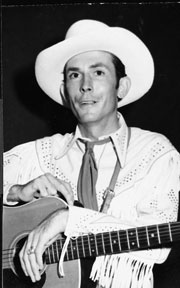
In the early morning of New Year’s Day, 1953, chauffeur Charles Carr pulled his Cadillac into the lot of a drive-in movie theater in Oak Hill, West Virginia, to check on his passenger, the country-music superstar Hank Williams, who had not moved in the back seat for hours as they drove from Knoxville, Tennessee, to Canton, Ohio. Carr discovered that Williams wasn’t breathing. His skin was blue and cold. The music legend was dead at 29 years old.