
Trusted Writing on History, Travel, and American Culture Since 1949
SEARCH 75 YEARS OF ESSAYS!
October 2025
Franklin Delano Roosevelt led the United States through two of the most critical periods in our history - the Great Depression and World War II. And in those twelve years, he did more than any president except Abraham Lincoln to change America.
Here, some of the country's greatest historians - James MacGregor Burns, Thomas Fleming, John Kenneth Galbraith, Richard Ketchum, John Lukacs, Allan Nevins, Joe Persico, William vanden Heuvel, and Geoffrey Ward - bring FDR vividly to life, assessing his place in history and exploring his marriage to Eleanor, his struggle with polio, his love of Hyde Park, his relationships with Winston Churchill and Joseph Stalin, and his complicated final days.
Noted historian Francis Russell tells the compelling story of the Adams dynasty in this comprehensive and very readable book.
John and Abigail Adams and their descendants profoundly influenced life in the United States for more than two centuries. From the great political and philosophical contributions of Founding Father and President John Adams, the roster of Adams luminaries is unprecedented: diplomat and sixth president, John Quincy Adams; pre-Civil War "Voice of Honor," Charles Francis Adams; and authors Henry and Brook Adams.
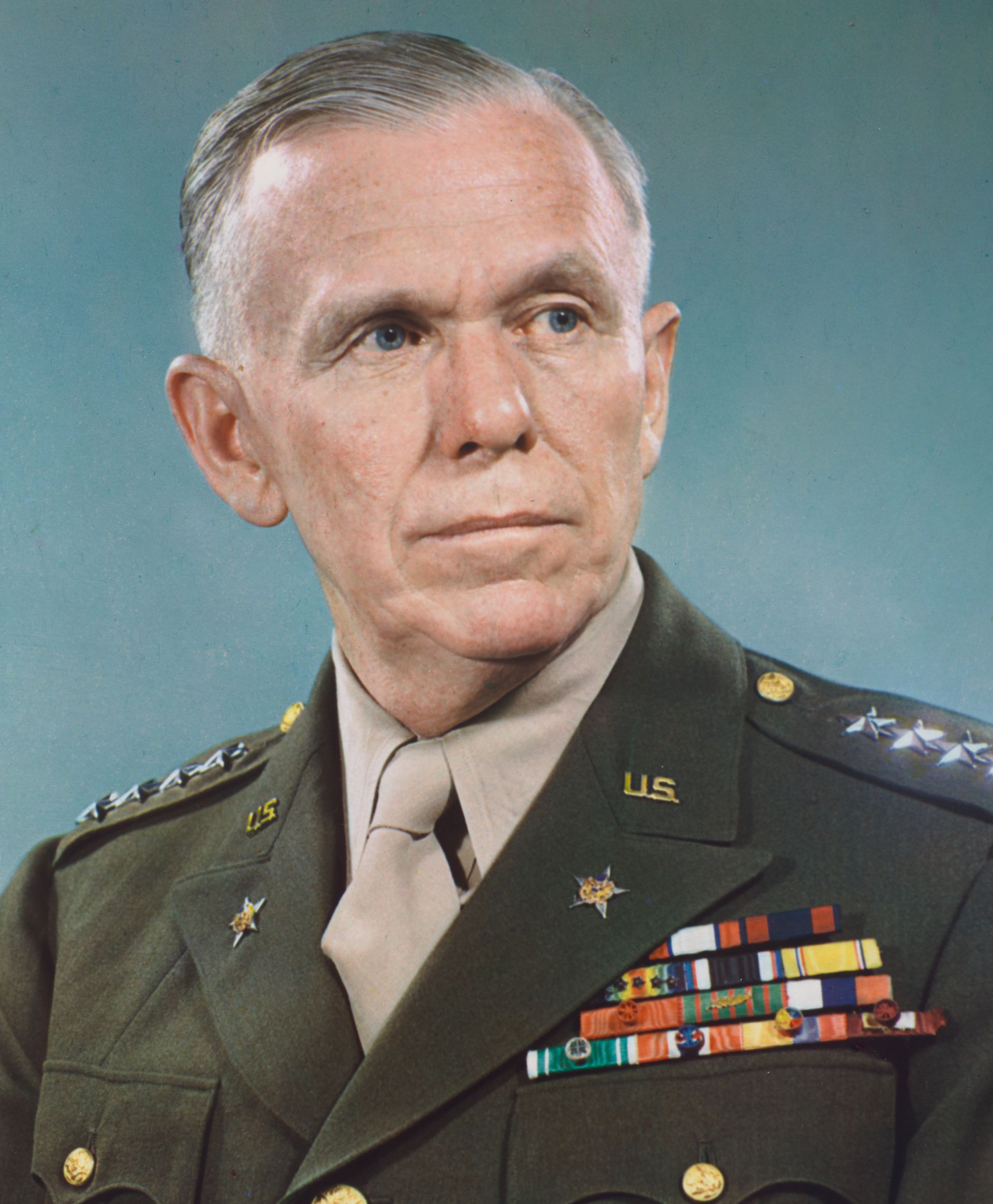
Editor’s Note: General Josiah Bunting III is an educator, military historian, former Army officer, and former superintendent of the Virginia Military Institute. He is the author of several novels and non-fiction books about American history, including The Making of a Leader: The Formative Years of George C. Marshall, in which portions of this essay appeared, and a biography of Ulysses S. Grant.
Editor’s Note: Richard Bell is a professor of history at the University of Maryland. His book Stolen: Five Free Boys Kidnapped into Slavery and Their Astonishing Odyssey Home, was a finalist for the George Washington Book Prize. In his most recent book, The American Revolution and the Fate of the World, Prof. Bell provides a view of the War of Independence as a sprawling struggle that upended millions of lives and inspired freedom movements around the world. Portions of this essay appeared in the book.
In November 1773, few could have imagined that the fleet of ships carrying Chinese tea to ports across America would send the world to war and transform so many lives beyond recognition. The American Revolution did not involve just thirteen of Britain’s dozens of New World colonies. It was a global event that drew participants from all over the world, and in its consequences, both immediate and long range, shook every quarter of the globe.
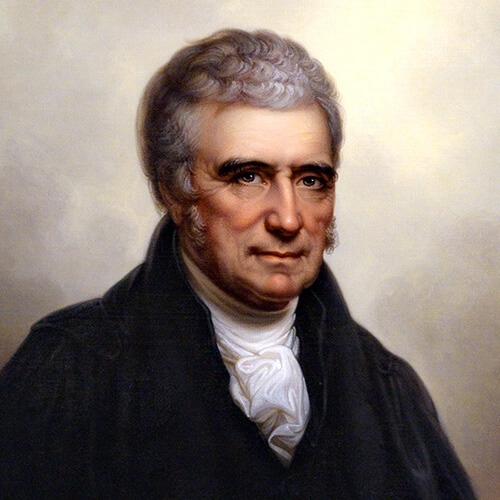
Editor’s Note: Richard Brookhiser is a senior editor at the National Review and author of over a dozen books, including ones on George Washington, James Madison, and Alexander Hamilton. Portions of this essay appeared in his splendid book John Marshall: The Man Who Made the Supreme Court. President George W. Bush awarded Brookhiser the National Humanities Medal in 2008.
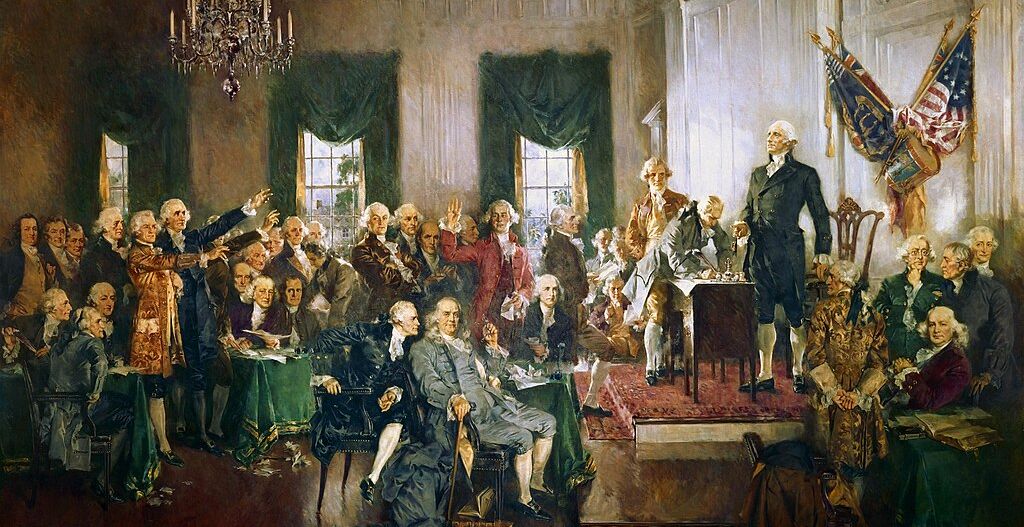
Editor's Note: Eric Lane is a professor of constitutional and public law at Hofstra University and the author of three books. Michael Oreskes held senior editorial positions at The New York Times and the Associated Press before joining NPR as senior vice president of news. Together they published The Genius of America: How the Constitution Saved Our Country – and Why It Can Again which looked at the document that made our country the longest surviving democracy in the history of civilization. Portions of this essay appeared in that book.
America! America!
God mend thine every flaw,
Confirm thy soul in self-control
Thy liberty in law!
—Katharine Lee Bates, 1893
God mend thine every flaw,
Confirm thy soul in self-control
Thy liberty in law!
—Katharine Lee Bates, 1893
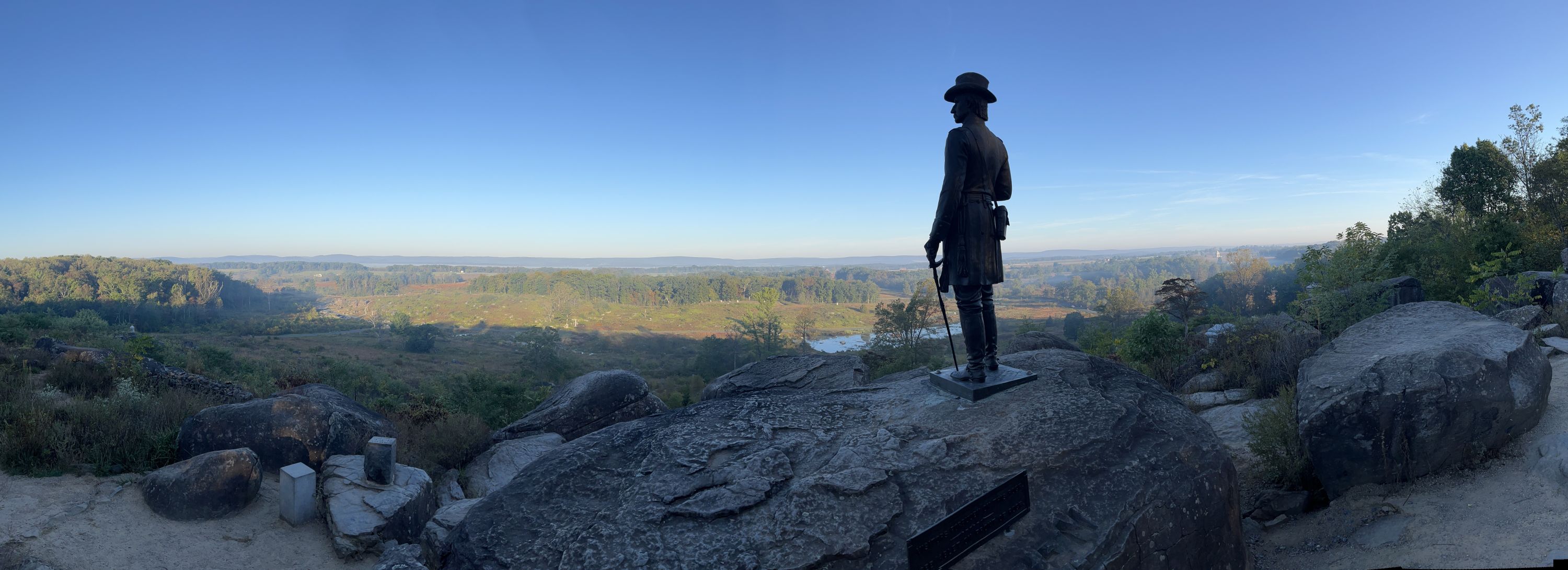
In one of the most dramatic moments of the Civil War, Union soldiers at the battle of Gettysburg rushed up Little Round Top just ahead of Confederate troops who had the same idea: capture the position that commanded a view of nearly the entire battlefield where 165,000 men were struggling to kill each other.