The cannon at Fort Ticonderoga on Lake Champlain helped control the critical waterways that enabled north-south travel between Canada and New York. Photo by Edwin Grosvenor
Fort Ticonderoga is known as “America’s Fort” for good reason. Its capture from the British in May 1775 was the first major American offensive victory in the Revolutionary War. More importantly, the following winter, Col. Henry Knox’s men hauled 60 tons of the fort’s artillery 300 miles to Boston to drive out the enemy. Historians rightly give those cannons some of the credit for America’s independence.
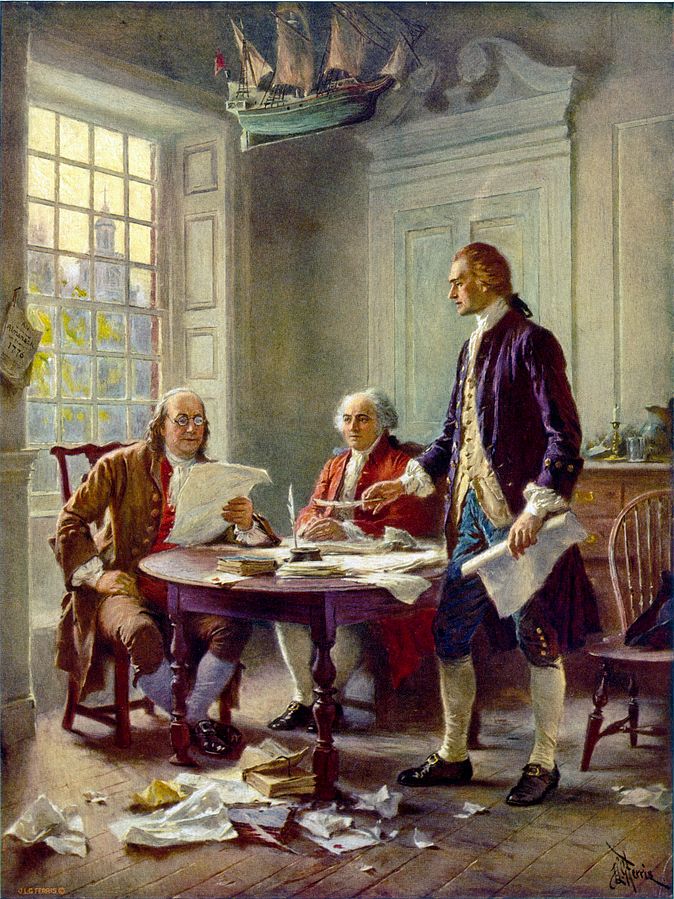
Adams and Jefferson both died on July 4, 1826, fifty years after the nation's founding. Library of Congress
As July 4, 1826 approached, the country prepared for its national jubilee, the 50th anniversary of the signing of the Declaration of Independence. Americans swelled with pride in their nation and in the stirring manifesto that proclaimed that “all men are created equal” and “endowed by their Creator with certain unalienable Rights, that among these are Life, Liberty, and the pursuit of Happiness.”
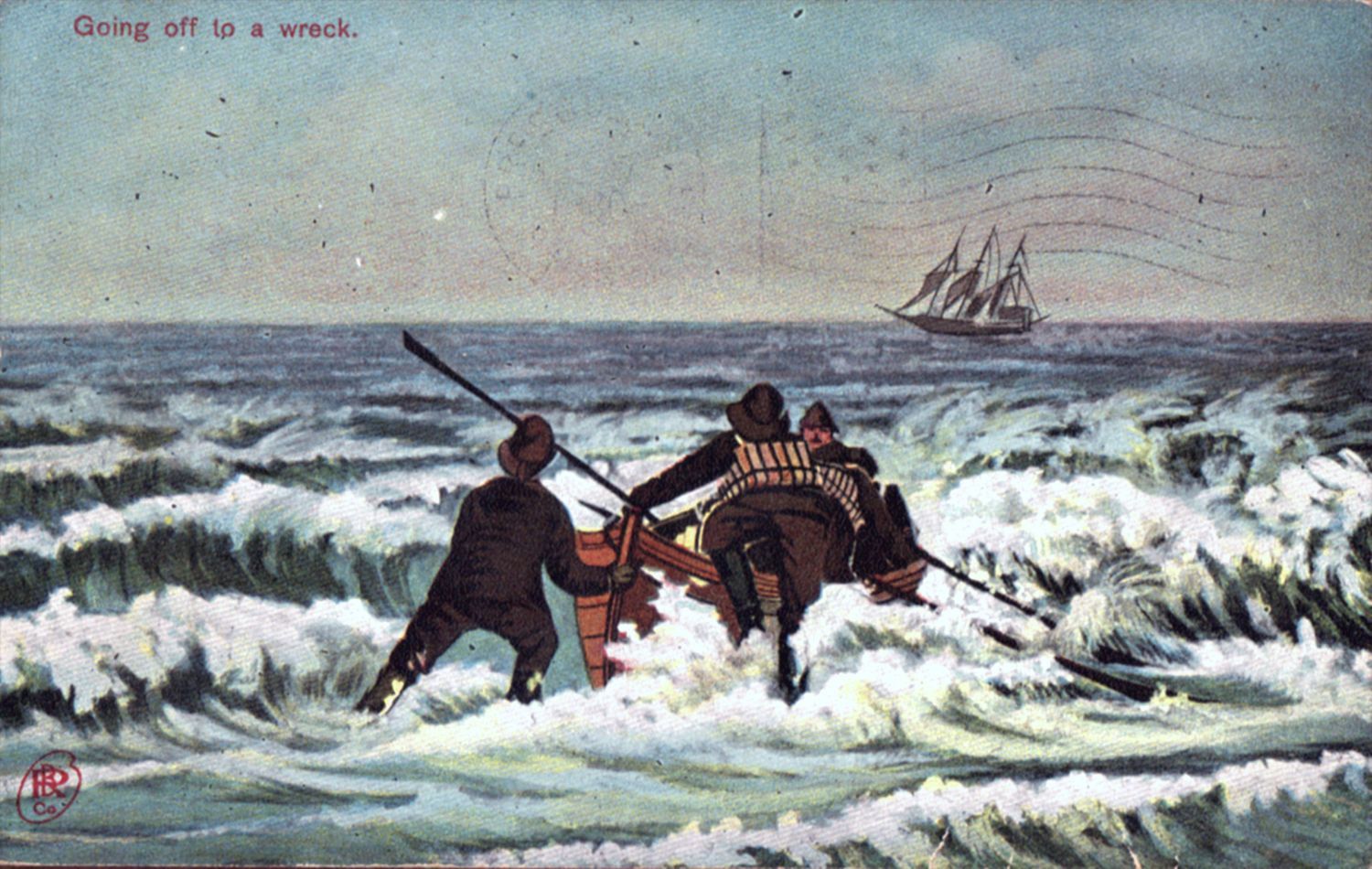
Postcards from the nineteenth century often featured dramatic photos and illustrations of lifesavers at work. The U.S. Life-Saving Service (1848–1915) is credited with helping over 186,000 shipwrecked mariners and passengers. Before that, the Humane Society saved thousands as well. American Heritage Archives
Radical Duke by Danielle Allen is a deeply revisionist historical work that uncovers Charles Lennox, the Third Duke of Richmond, as an unsung architect of modern political rights. The book reveals how this British aristocrat, alongside a young Thomas Paine, nearly brought the Age of Revolution to Britain.
Editor's Note: David Nasaw is a professor of history at the City University of New York and the author of numerous books including biographies of Andrew Carnegie and William Randolph Hearst. His most recent, The Wounded Generation: Coming Home After World War II, is an important reminder of the extraordinary contributions of so many members of the "Greatest Generation." Portions of this essay appeared in that book.
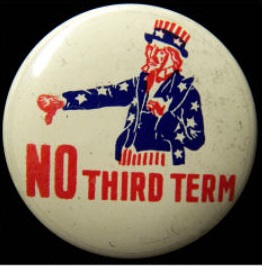
Campaign buttons from the 1940s expressed voter opposition to third presidential terms.
As the 80th Congress convened in January 1947, Republicans took control of the House and the Senate for the first time since 1933. In the intervening years, they had watched in dismay as President Franklin D. Roosevelt, a Democrat, had been elected to a third term and then a fourth. They vowed to prevent any future president from doing the same.
On January 3, 1947, Rep. Earl C. Michener (R-Mich.) introduced a constitutional amendment to bar a third term for any president who had already “served” two terms. By March 21, 1947, both houses had adopted the amendment, but only after it had been modified to specify that no person shall be “elected” president more than twice. This provision – the 22nd Amendment – went to the states for ratification and became law in 1951.
Help us tell the story of America.
For over 75 years, American Heritage has chronicled our nation's history like no other publication. Please support our trusted, non-partisan historical writing and the volunteers that sustain it by donating today. We rely on contributions from readers like you to survive. Donate