When, on the night of August 24–25, 1814, General Robert Ross burned Washington, most though not all, of the infant congressional library went up in flames. Patrick Magruder, who doubled as clerk of the House and librarian, had betaken himself to Virginia Springs, and the convulsive efforts of his assistants to save the library foundered on the lack of wagons. A subsequent congressional investigation concluded somewhat illogically that the hapless Magruder should have foreseen this embarrassment and provided for it, and accepted his resignation.

Trusted Writing on History, Travel, and American Culture Since 1949
SEARCH 75 YEARS OF ESSAYS!
January 2011
O n a hot summer afternoon, two commuters sat in an auto on a Los Angeles freeway—stalled bumper to bumper in the homebound traffic. Their shirts were open from the blast of the sun, their eyes swollen with the smog of a hundred thousand exhausts.
“My solution,” drawled one of them, “is to make everybody in L.A. draw lots to see who packs up and moves out.”
A generation ago this would have been treason. But gone now is the booster spirit that sparked a hundred-year migration to Southern California. In its place has come a desperate realization that Los Angeles has oversold itself. And it is too late to stop the tide.
How did this sprawling city of two million—for that matter, this metropolitan area of almost five million—rise up from a semidesert devoid of resources save a balmy climate?
I turn round and round irresolute sometimes for a quarter of an hour, until I decide, for the thousandth time, that I will walk into the southwest or west. Eastward I go only by force, but westward I go free. Thither no business leads me. It is hard for me to believe that I shall find fair landscapes or sufficient wildness and freedom behind the eastern horizon. I am not excited by the prospect of a walk thither; but I believe that the forest which I see in the western horizon stretches uninterruptedly toward the setting sun, and there are no towns or cities in it of enough consequence to disturb me. Let me live where I will, on this side is the city, on that the wilderness, and ever I am leaving the city more and more and withdrawing into the wilderness. I should not lay so much stress on this fact if I did not believe that something like this is the prevailing tendency of my countrymen. I must walk toward Oregon and not toward Europe.
Oregon commemorates in 1959 the one hundreth anniversary of its admission as a state of the Union. Oregon today contains the country’s greatest reserve of standing timber and produces far more lumber than any other state. Oregon was first in the nation to provide for election of United States senators by popular vote, and it pioneered in introducing to the New World such governmental reforms as the initiative, referendum, and recall.
Yet the earliest attempt of white men to found a permanent settlement on this frontier of majestic solitudes and swift rivers was attended by death, destruction, and massacre. Lives and dollars were strewn recklessly across a vast expanse of the globe—from Manhattan Island to the distant island of Oahu. Almost half the participants in this effort were to perish, some on spray-spattered ocean reefs and others in the darkness of mile-deep mountain chasms. The founder of one of America’s great fortunes was dealt a stunning financial setback, and the U.S. Navy suffered a blow to pride and prestige which was not forgotten for decades.
No more a wilderness man than any Montreal fur merchant, [John Jacob] Astor was a better business man than the best of them. Adept at the international alliances of finance, he could also think in terms of continental and world trade. … [President] Jefferson … told [Meriwether] Lewis that Astor was “a most excellent man” and he had pledged Astor “every reasonable patronage and facility in the power of the executive.” For this excellent man might be the agency that would secure to the United States “exclusive possession of the Indian commerce.”
The month was August and the clay was the twenty-second. Even the time of the afternoon—5:45—was mentioned by the alert correspondent of the Times of London, who further observed that the Prince of Wales went ashore from the royal yacht wearing his while sailor’s uniform and tarpaulin hat and danced down the road with boyish vivacity.
To bring the appealing picture into focus it is necessary to add only that the year was 1851, that the young prince was the future King Edward VII, and that the occasion was a race in which the most newsworthy competitor was a schooner from the United States, the America .
In August, 1818, the fist time a steamboat landed at Detroit, local Indians gaped in amazement at what certain white settlers had facetiously heralded as a giant canoe drawn by sturgeon. Even when they had been disabused of this notion, they still experienced no less wonder when informed that the mysterious boat was run by steam power. A quarter century later, though steamboats had become a familiar sight on the Great Lakes, that indefatigable bluestocking, Margaret Fuller, could still find them objects of romance. Describing a steamer that she had observed one night on Lake Michigan, she rhapsodized: “It was glowing with lights, looking many-eyed and sagacious; in its heavy motion it seemed a dowager queen. …” But then, who could help admiring the brightly painted boats, some of them as ornate as floating Gothic mansions? Of course there were dissenters; Charles Dickens commented that the high-pressure engines of the pulling side-wheelers “conveyed that kind of feeling to me, which I should be likely to experience, I think, if I had lodgings on the first floor of a powder-mill.”
Tradition has it that the first European settlers in America had to chop their way into a solid wall of impenetrable forest that reached from the high-tide line of the Atlantic Ocean to the edge of the prairie in Illinois. But tradition has been so strongly influenced by the heroic labors of the pioneer axeman farther west that we have forgotten what primeval New England was really like.
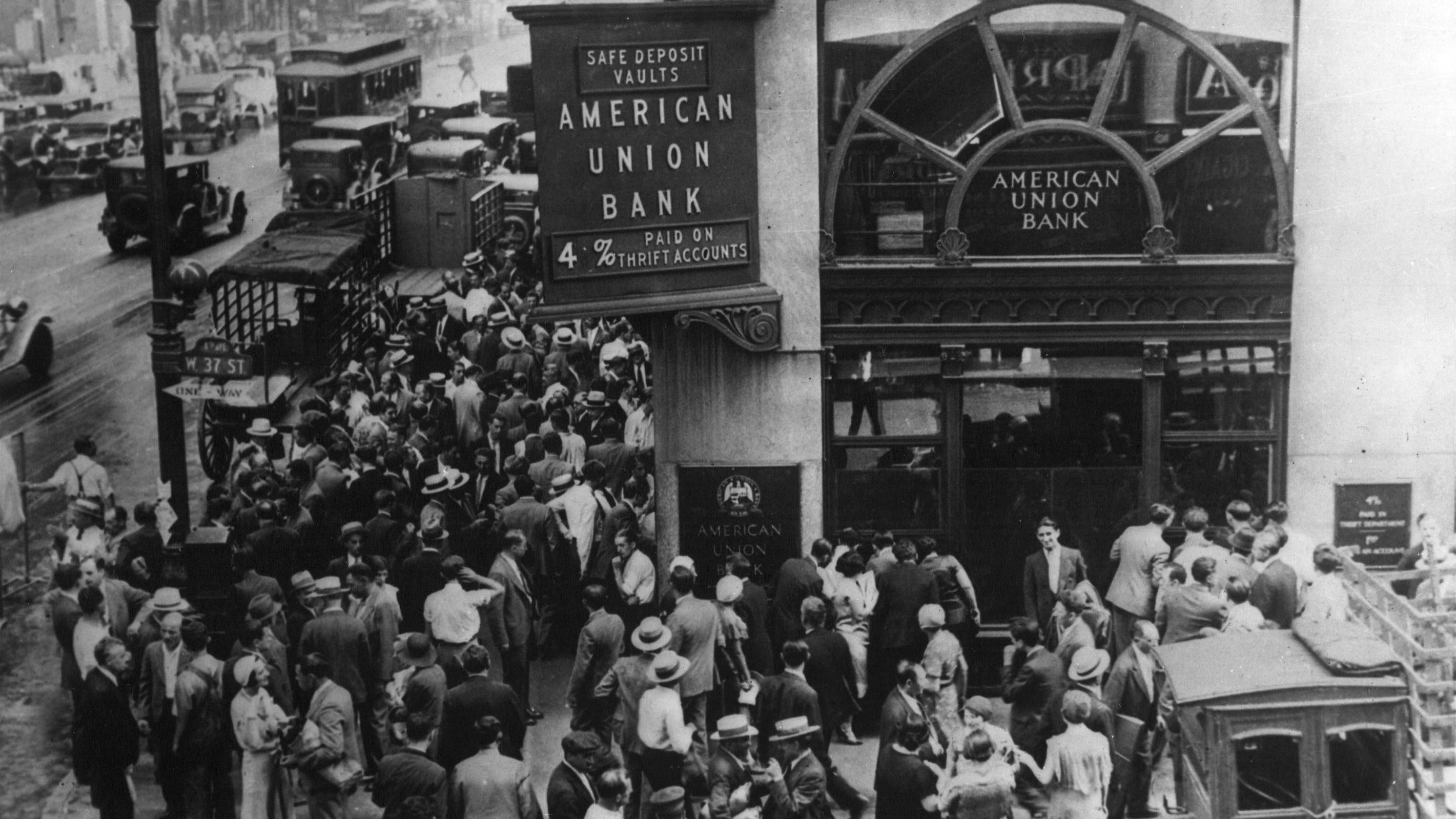
The decade of the twenties, or more precisely the eight years between the postwar depression of 1920–21 and the stock market crash in October of 1929, were prosperous ones in the United States. The total output of the economy increased by more than 50 per cent. The preceding decades had brought the automobile; now came many more and also roads on which they could be driven with reasonable reliability and comfort, There was much building. The downtown section o[ the mid-continent city—Des Moines, Omaha, Minneapolis—dates from these years.