
Trusted Writing on History, Travel, and American Culture Since 1949
SEARCH 75 YEARS OF ESSAYS!
April 2026
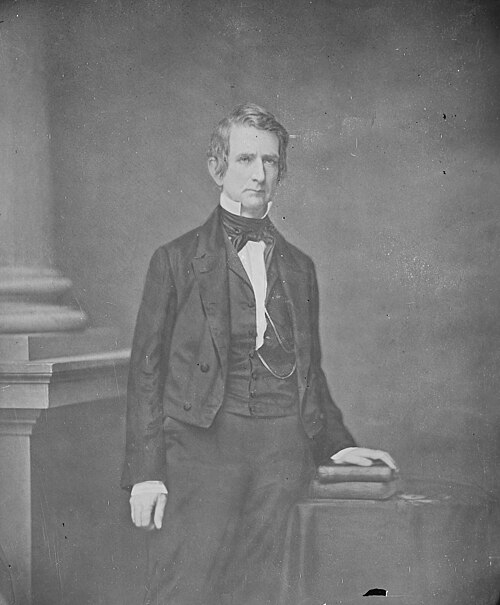
Editor's Note: Mark Kawar is a first-time author whose recent book, America, but Bigger: Near-Annexations, from Greenland to the Galapagos, explores the history of the United States' territorial ambitions, both realized and unrealized. Here, he recounts the very first attempt by American officials to acquire Greenland, a goal the country would pursue again and again over the following years, including most recently during the presidency of Donald Trump.
Bruce Watson, a contributing editor of American Heritage, writes blogs for our website and his own at TheAttic.space.
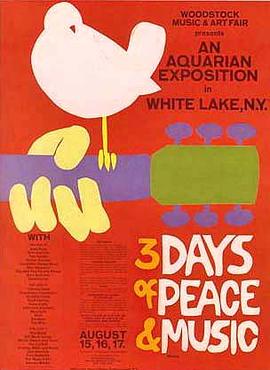
WOODSTOCK, NY — Thirty miles down the road, on a slope so green and sweeping that it looked like God’s own amphitheater, the crowds poured in over a half century ago. But the human hordes of Woodstock are long gone now. In their memory, summer crowds pour into this Hudson Valley hamlet with the name that still sings.
Editor’s Note: Nancy L. Schultz is a retired professor and chair of the Swampscott Historical Commission, which is working with other local partners to save the General John Glover Farmhouse. For more information, read her first article on the Glover House in American Heritage or visit SavetheGlover.org.

Editor’s Note: Andrew Cockburn is a British journalist, editor of Harper's Magazine, and Peabody Award-winning filmmaker. He recently published Washington Is Burning: Corruption and Lies in The Age of Trump, in which portions of this essay appeared.
Editor's Note: Catherine Allgor is President Emerita of the Massachusetts Historical Society and the author of Dolley Madison: The Problem of National Unity. This essay first appeared In Pursuit, a series of posts on Substack edited by by Dr. Colleen Shogan, former Archivist of the United States.
Editor's Note: George W. Bush was the 43rd President of the United States This essay appeared In Pursuit, a series of posts on Substack edited by by Dr. Colleen Shogan, former Archivist of the United States. In Pursuit is an initiative of More Perfect, a bipartisan alliance of over 43 presidential centers and many of the country’s leading educational and civic initiatives.
As America begins to celebrate our 250th anniversary, I’m pleased to have been asked to write about George Washington’s leadership. As president, I found great comfort and inspiration in reading about my predecessors and the qualities they embodied. Abraham Lincoln’s resolve, Harry Truman’s decisiveness, Ronald Reagan’s optimism, and others reminded me of the challenges America has faced – and of the values that have helped us overcome them.
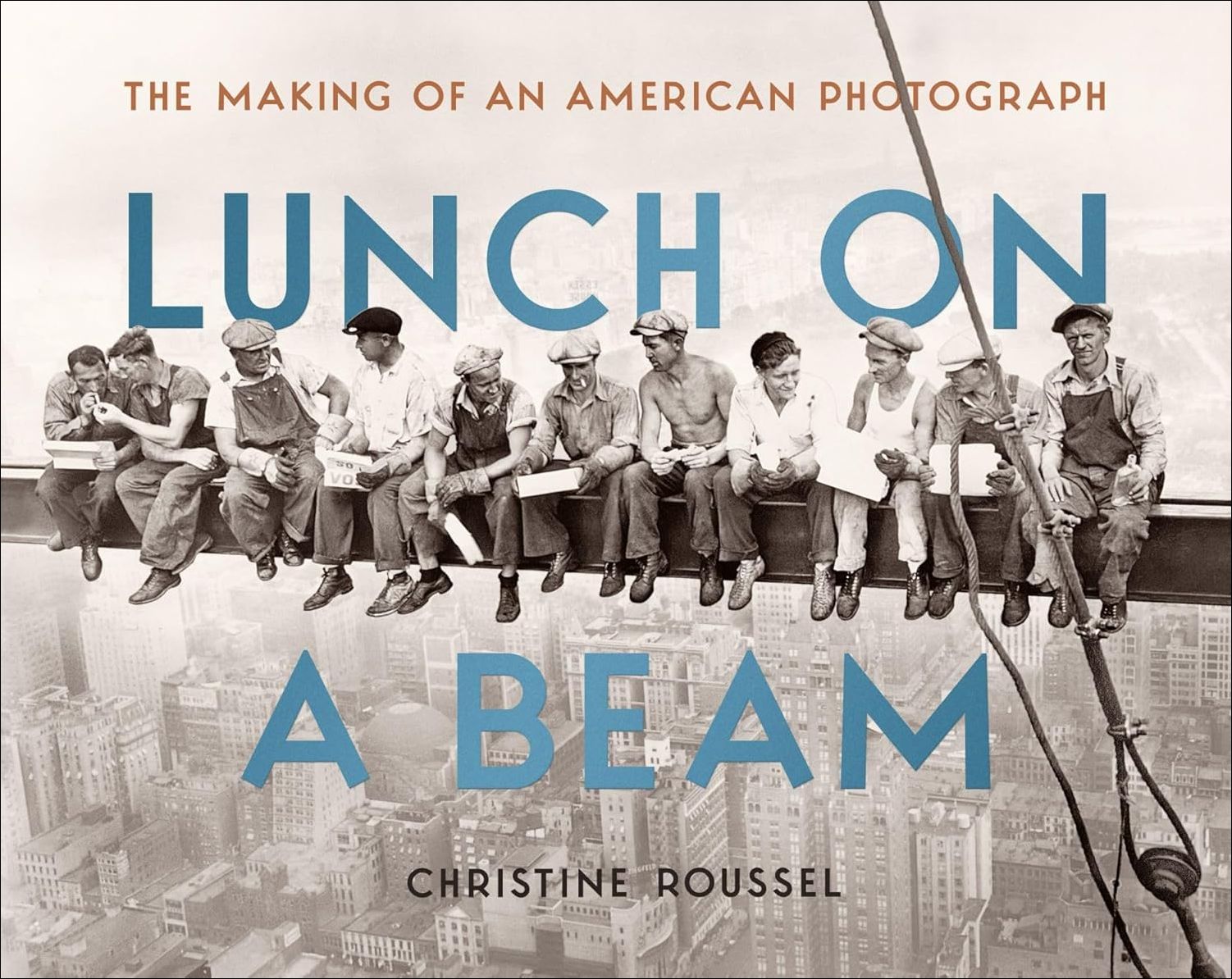
It’s hard to think of a structure in New York City that is more integrated in the life of the metropolis than Rockefeller Center. There are other instantly recognizable skyscrapers – the Empire State Building, the Chrysler Building – but they lack the sprawling and varied spaces provided by what was once seen as Nelson Rockefeller Jr.’s folly. There is nothing to compare with Radio City Music Hall at the various World Trade Centers, which are devoted to office space. And then there is Citicorp (now Citigroup) Center, which is perhaps best-known for having been at risk of falling over.
Editor’s Note: John Ghazvinian is an Iranian-born historian and former journalist. His recent book American and Iran: A History, 1720 to the Present offers a rich, fascinating overview of U.S.-Iran relations going back to America’s founding. Ghazvinian’s scholarship shows that the current rivalry between Iran and the U.S. was not inevitable; indeed, there was a time when relations between the two countries were “animated by a spirit of common respect and mutual understanding.” The following was adapted from that book.
Editor’s Note: Richard Wade Vague is an American businessperson and author who previously served as the Secretary of Banking and Securities for the Commonwealth of Pennsylvania. His latest book is THE BANKER WHO MADE AMERICA: Thomas Willing and the Rise of the American Financial Aristocracy, an illuminating and original study of the life of one of early America’s dominant financiers. We often remember Robert Morris as a leading funder of the Revolution, but as Vague makes clear, Willing deserves as much attention, if not more, for his role in financing the cause. The following has been excerpted from that book.