
September 2026

In 1972, ​​​​​​American Heritage was widely attacked when it presented evidence of their relationship for the first time in modern times. 

A DNA analysis of Thomas Jefferson's hair by the Smithsonian indicates he had children with his slave, Sally Hemings. ​​​​​​American Heritage was widely attacked in 1972 when it presented evidence of their relationship. 

Now, hat we were right.

American Heritage was widely attacked in 1972 when it presented evidence that Jefferson had children with his slave, Sally Hemings. Now, a DNA analysis of his hair by the Smithsonian proves that we were right.

American Heritage shocked the historical community when it published an essay by Fawn Brodie in its June 1972 issue presenting evidence that Thomas Jefferson fathered children by a slave he owned, Sally Hemings. Readers were outraged and for months the magazine's offices were inundated with letters.
Editor’s Note: Beverly Gage is a professor of history and American studies at Yale University. After winning a Pulitzer Prize for her 2022 book G-Man: J. Edgar Hoover and the Making of the American Century, Prof. Gage toured the U.S. to examine historical events and personalities up close. This year she and Ms. Brower published a fascinating book about her travels, This Land is Your Land: A Road Trip Through U.S. History, in which a version of this essay appeared.

Editor’s Note: Norah O’Donnell is a 60 Minutes correspondent, CBS Mornings co-host, and Healthful host. She recently authored a collection of stories about American women from 1776 to the present who changed the course of history, We the Women: The Hidden Heroes Who Shaped America, in which a version of this essay appeared. Kate Andersen Brower is an American journalist and author who has written four books about the White House, two of which have been New York Times bestsellers.

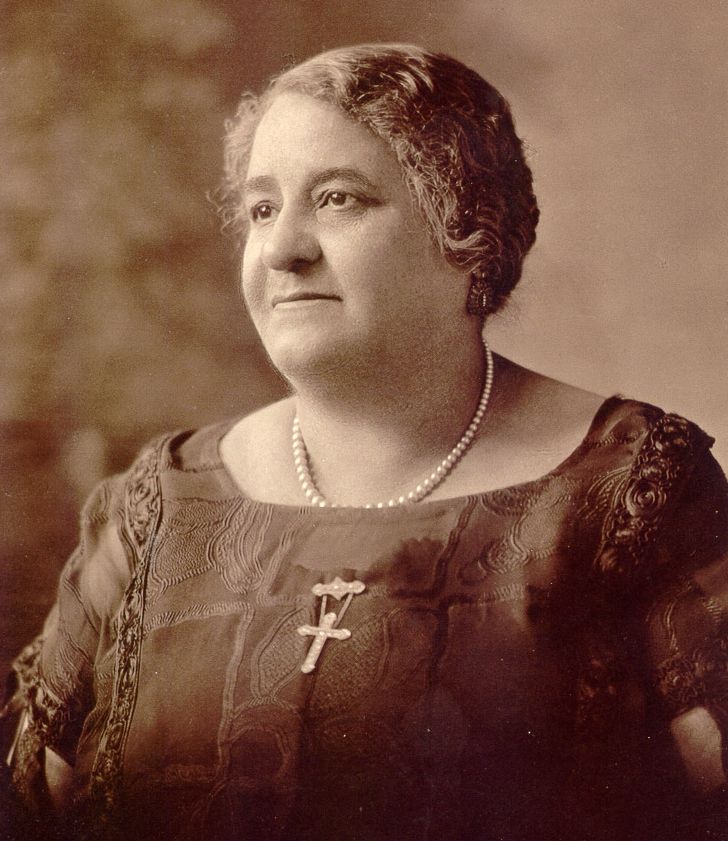
Maggie Walker. National Park Service

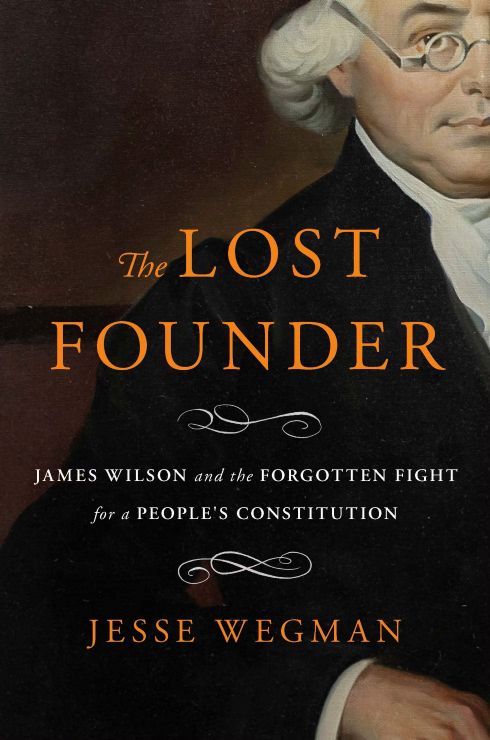
lost founder
The Lost Founder: James Wilson and the Forgotten Fight for a People’s Constitution, Celadon Books, 2026

A small, but growing, coterie of constitutional scholars has been asking how it is that one of the framers most responsible for both the broad shape of the Constitution and the document’s small details — some petty, some consequential — is not better remembered?

At first glance, Washington Park, a roughly one-square-block green space in the Park Slope neighborhood of South Brooklyn, does not seem so different from many of the hundreds of other parks strewn throughout New York City's most populous borough. Surrounded by Gilded Age brownstones and steel highrises, the park serves as a gathering place for the wider community, attracting visitors of all ages and backgrounds. On a typical summer afternoon, children can be found frolicking across the playground, while teenagers on scooters and skateboards zip along concrete ramps in the skatepark nearby. There is a turf field for soccer and baseball games, a dog run, and a picnic area where neighbors gather to eat and converse. The park’s visitors, naturally, reflect the diversity of the city itself: black, white, Latino, Asian, a heaping helping of the melting pot that is New York. 

Help us tell the story of America.

For over 75 years, American Heritage has chronicled our nation's history like no other publication. Please support our trusted, non-partisan historical writing and the volunteers that sustain it by donating today. We rely on contributions from readers like you to survive.
Donate