
Trusted Writing on History, Travel, and American Culture Since 1949
SEARCH 75 YEARS OF ESSAYS!
May 2007
There’s something all-American about roadside attractions—palaces of corn, Stonehenges built from cars, mountains carved with Presidents’ faces. Americans have a knack for looking at a patch of nature and asking how we can turn it into a tourist destination.
“The president has just informed me that the civil government of the District of Columbia has reported to him that it is unable to maintain law and order,” read the order from the Secretary of War in July 1932. “Surround the affected area and clear it without delay. . . . Use all humanity consistent with the due execution of this order.” Gen. Douglas MacArthur, the chief of staff of the U.S. Army, cannot have been surprised to receive these instructions. The situation in Washington had been tense all through the summer of 1932. Demonstrators had been pouring into the city from around the country beginning on May 29—75 years ago today—and MacArthur had been preparing for strife for months.
Between May and June, Washington had become the site of a volatile mass protest. The demonstrators were there to demand a bonus promised to them by Congress as veterans of World War I. The organizer of the protest, W. W. Waters, brought only a thousand men with him, but thousands more arrived by hopping freight trains. At the height of their protest, close to 20,000 veterans were camped out as close to the White House as Pennsylvania Avenue.
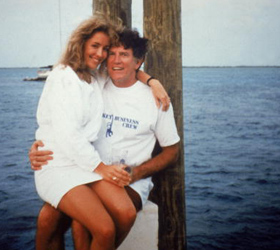
When rumors began circulating about his supposed extramarital affairs, Sen. Gary Hart, the leading candidate for the 1988 Democratic nomination for President, challenged the media. He told The New York Times in an interview published on May 3, 1987, that they should “follow me around. . . . They’ll be very bored.” As the NBC anchor John Chancellor explained a few days later, “We did. We weren’t.”
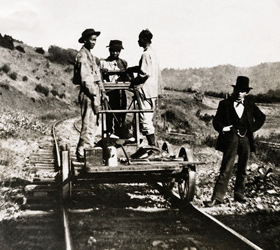
On May 6, 1882, a century and a quarter ago today, President Chester A. Arthur signed a law banning almost all immigration from China to the United States. It affected only a small percentage of immigrants, but it marked the birth of illegal immigration. The Chinese Exclusion Act and its subsequent extensions altered the legal definition of American citizenship far more than its original drafters could have foreseen. It wasn’t repealed until 1943, 61 years later, and it continues to reverberate in immigration policy today.
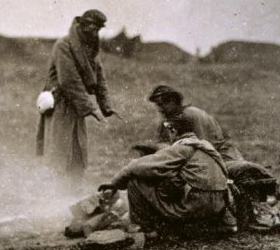
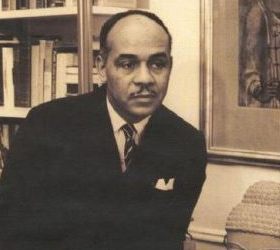
Ralph Ellison, who wrote one of the most profound of all novels about race in America, also lived through the most radical transformation of racial relations in the nation’s history. Arnold Rampersad, in his thorough and insightful new book, Ralph Ellison, A Biography (Knopf, 657 pages, $35), sheds light on Ellison the artist, the turbulence of his time, and the complex relationship between the two.