
Trusted Writing on History, Travel, and American Culture Since 1949
SEARCH 75 YEARS OF ESSAYS!
July 2007
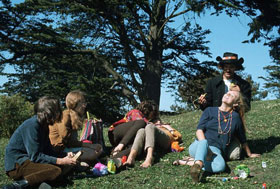
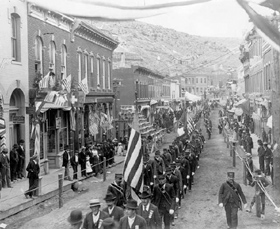
When in the course of human events it becomes necessary for one people to celebrate themselves, barbecues and fireworks happen. Ten days after we have our barbecues and fireworks, France remembers the siege of the Bastille and honors itself in a similar way. Both holidays commemorate violent revolutions and preach resistance to tyranny. And both, beyond the food, the drinks, and the explosions, have played pivotal roles in constructing their nations’ identities.
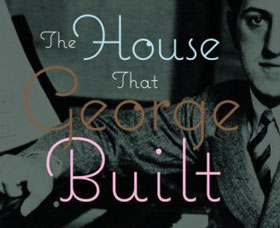
Most people couldn’t write a decent song if you held a gun to their head. Perhaps one in a million can write one that becomes a big hit before fading away or becoming a period piece. But to be able to write a song that is both catchy and imperishable, that the public never tires of hearing, that musicians never tire of playing, that lives forever in the human soul, outside of time, is the rarest of artistic gifts.
And yet for half a century, from the 1910s to the 1960s, the United States was home to an extraordinary number of geniuses who turned out such songs by the hundreds, songs that became the standards of a whole new musical genre, the American Popular Song.