
Trusted Writing on History, Travel, and American Culture Since 1949
SEARCH 75 YEARS OF ESSAYS!
March 2008
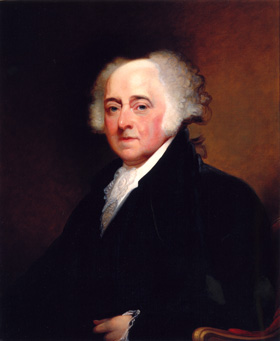
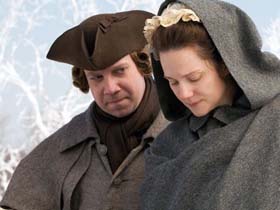
John Adams, HBO’s seven part, $100 million miniseries, is more than ambitious. In scope and depth, it is the most far-reaching production ever made on the American Revolution, though given its predecessors—the offensively silly musical 1776and Mel Gibson’s The Patriot—this isn’t saying much. Director Tom Hooper (Elizabeth I) and screenwriter Kirk Ellis obviously understood that Americans will not pay to see a feature film about the birth of their own country in large numbers; they conceived the material (taken from David McCullough’s 700+ page biography) for television, eschewing all the things—action scenes, sex, flamboyant dialogue—that movies are made of.
The mid-1940s found African-American men and women returning home from war to unchanged discrimination at home. It was an era inhospitable to anyone who prized equality: The House Un-American Activities Committee condemned filmmakers and writers while segregation continued to make life hard for the nation’s black citizens. What little progress there was often left black women behind. Far from acting as a deterrent, this climate made compelling material for Jackie Ormes, the first African-American female cartoonist to achieve national renown.
Nancy Goldstein’s Jackie Ormes: The First African American Woman Cartoonist is a scholarly yet highly readable account of Ormes’ life and work. Born Zelda Mavin Jackson to a well-to-do family in Pittsburgh, Ormes, in Torchy Brown comics and the single-panel Patty-Jo ‘n’ Ginger, created stylish black female characters who scrutinized Cold War policies, advocated for civil rights, and poked fun at human foibles. Her drawings found a grateful audience in black-owned newspapers such as the Pittsburgh Courier.