
Trusted Writing on History, Travel, and American Culture Since 1949
SEARCH 75 YEARS OF ESSAYS!
January 2011
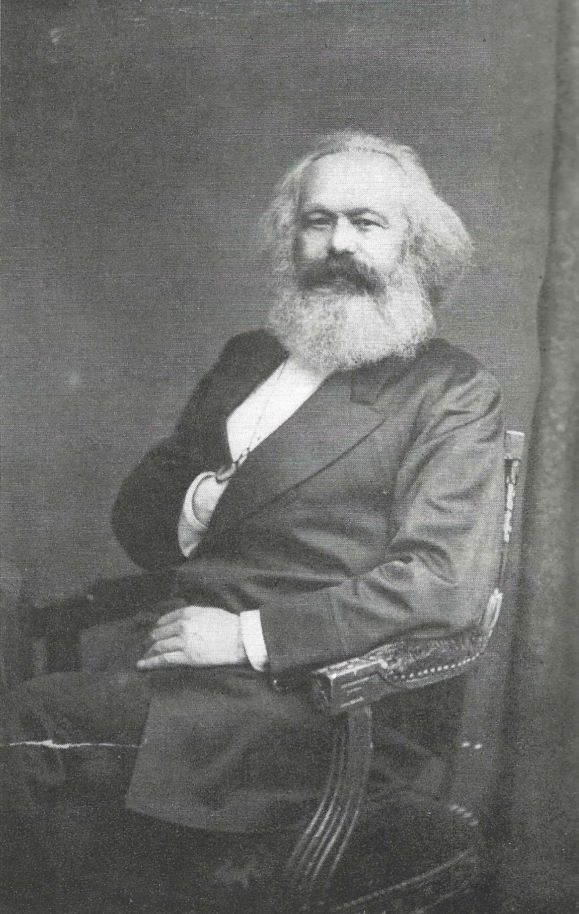
On Saturday morning, October 25, 1851, Horace Greeley’s New York Tribune, entrenched after a decade of existence as America’s leading Whig daily, appeared with twelve pages rather than its usual eight. The occasion was too noteworthy to be passed over without comment by the paper itself. So a special editorial was written — probably by Greeley’s young managing editor, the brisk, golden-whiskered Charles A. Dana — to point it out.
Dear Sirs:
Oliver Jensen’s editorial, “H and Non-H,” in the December issue of A MERICAN H ERITAGE requires, first of all, some factual correction and, secondly, consideration of his basic criticism of outdoor museums of history.
Many of America’s most famous historians over the past 60 years have appeared in the pages of American Heritage. Founding Editor Bruce Catton, who won a Pulitzer Prize for the Civil War classic, Stillness at Appomattox, set the tone for distinguished, literate and highly-readable essays. Allen Nevins, the much admired chairman of Columbia’s History Department and longtime chair of the American Heritage Advisory Board, helped bring a seriousness of purpose to the magazine’s writing.
In our archives, you will find then-sitting president John F. Kennedy musing about the importance of studying history. Or Herbert Hoover’s inside revelations on how he advised Woodrow Wilson during the difficult treaty negotiations at the end of World War I.
Many famous books began as essays in American Heritage. For example,
Long and low and black-hulled, the schooner beat along the Cuban coast in the black and starless night. The moon at midnight tried to break through the pall of the clouds, but was blotted from the rim of the featureless horizon by a drenching smother of rain. The schooner pitched and bucked in head winds and seas, discomfort in her after cabin where two wealthy Cuban planters slept fitfully, despair and desperation in the cramped hold where 53 Negro slaves were chained by neck and hands and feet. A hell ship, she was ironically named the Amistad, Spanish for friendship.
The Spanish-American War at first promised to be little more than a naval exercise. It began with an easy coiu|iiest of the Spanish Philippines when Commodore Dewy sank the Spanish Pacific Meet in Manila Day. Hut the hope that Admiral William T. Sampson’s North Atlantic Squadron could duplicate that triumph in the Caribbean and forte a quick and comparatively bloodless decision was short lived. The- Spanish fleet under Admiral Pasqual Cervera slipped away from Sampson and Commodore Winfield S. Schley to lind refuge under the shore batteries of Santiago Harbor. There it was blockaded, but it was apparent that the job of driving the Spanish from Cuba would fall to the work horse of the military, the combat infantryman.