
Trusted Writing on History, Travel, and American Culture Since 1949
SEARCH 75 YEARS OF ESSAYS!
June 2026
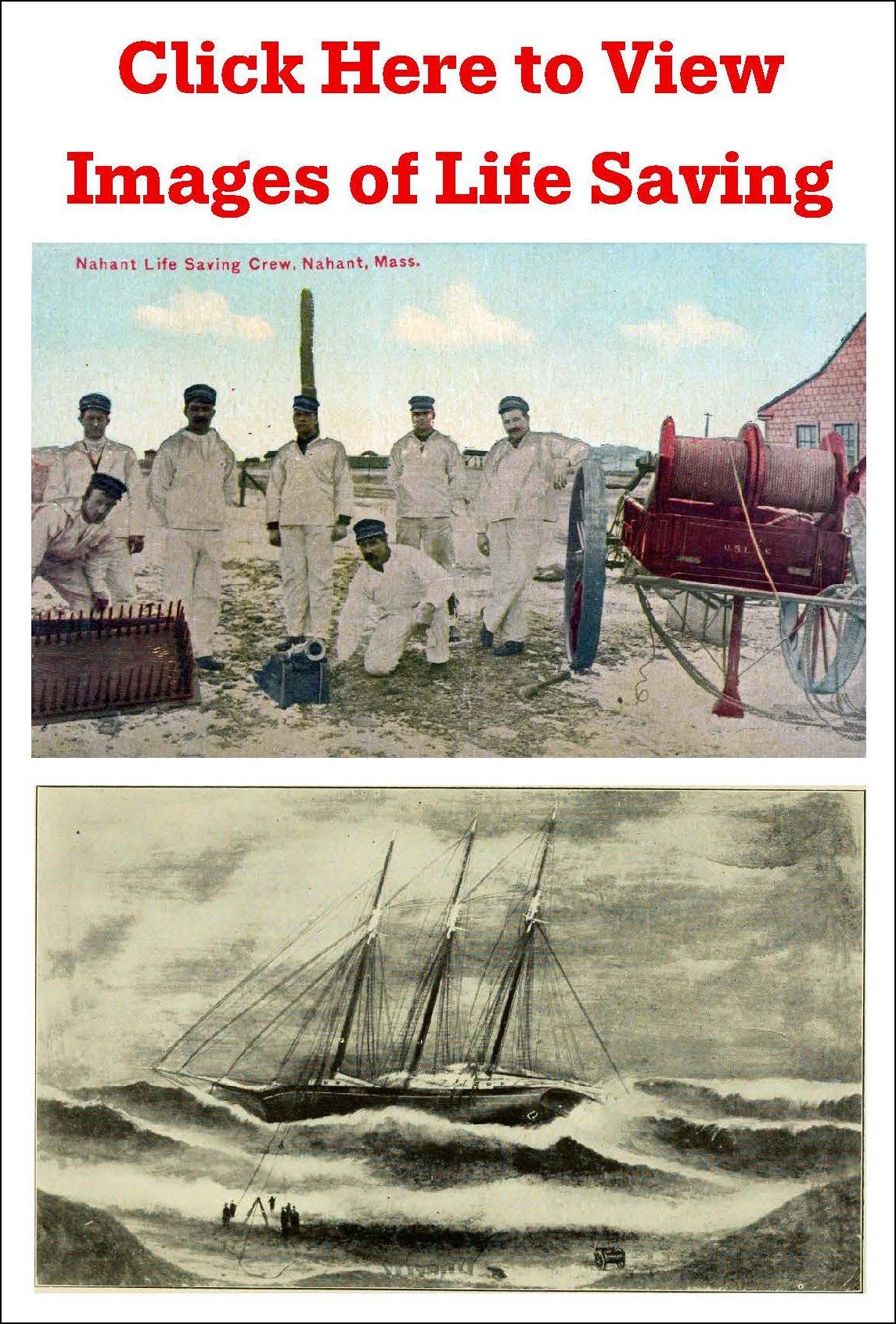
For much of America's history, shipwrecks were a common occurence off the coast of New England and other parts of the country. Hazardous waters, poor navigation technology, and lack of swimming ability among mariners made maritime transportation a particularly hazardous—and often deadly—task.
But the odds of surviving a wreck in America got much better in the nineteenth century, when an organization called the Massachusetts Humane Society began establishing lifesaving stations along the coast of Massachusetts. These sheds housed lifeboats that could be launched through the surf and rowed out to a stricken vessel.
In 1848, the United States Life-Saving Service (USLSS) was formed by the Federal Government. This brought similar lifesaving stations to other parts of the U.S., including up and down the eastern seaboard and along the Great Lakes.
Editor’s Note: The late Gordon S. Wood was one of the country’s pre-eminent scholars of the American Revolution. He had a wonderful way of writing simply yet profoundly, and won both the Bancroft and Pulitzer Prizes. When I asked him about his favorite defining moments in American history, he listed the appointment of John Marshall by John Adams, and promptly sent us an essay about it. Last year, Professor Woods told us would like to be published again in American Heritage, so we honor that wish with this essay that recently appeared in The Promise of America, a brilliant anthology of essays from the National Constitution Center by leading historians such as Wood.
Editor's Note: David S. Reynolds is one of our leading cultural historians and a Distinguished Professor at the CUNY Graduate Center. He is the author of numerous books including Abe: Abraham Lincoln in His Times and the recently published Two Ships: Jamestown 1619, Plymouth 1620, which explores the fascinating historical ideas he introduces in this essay.
Editor’s Note: Fergus M. Bordewich is the author of ten books of history. Portions of this essay appeared in his recently published book, Centennial: The Great Fair of 1876 and the Invention of America’s Future, which looks at the great exhibition and the converging crises that the United States was facing during its centennial year.