
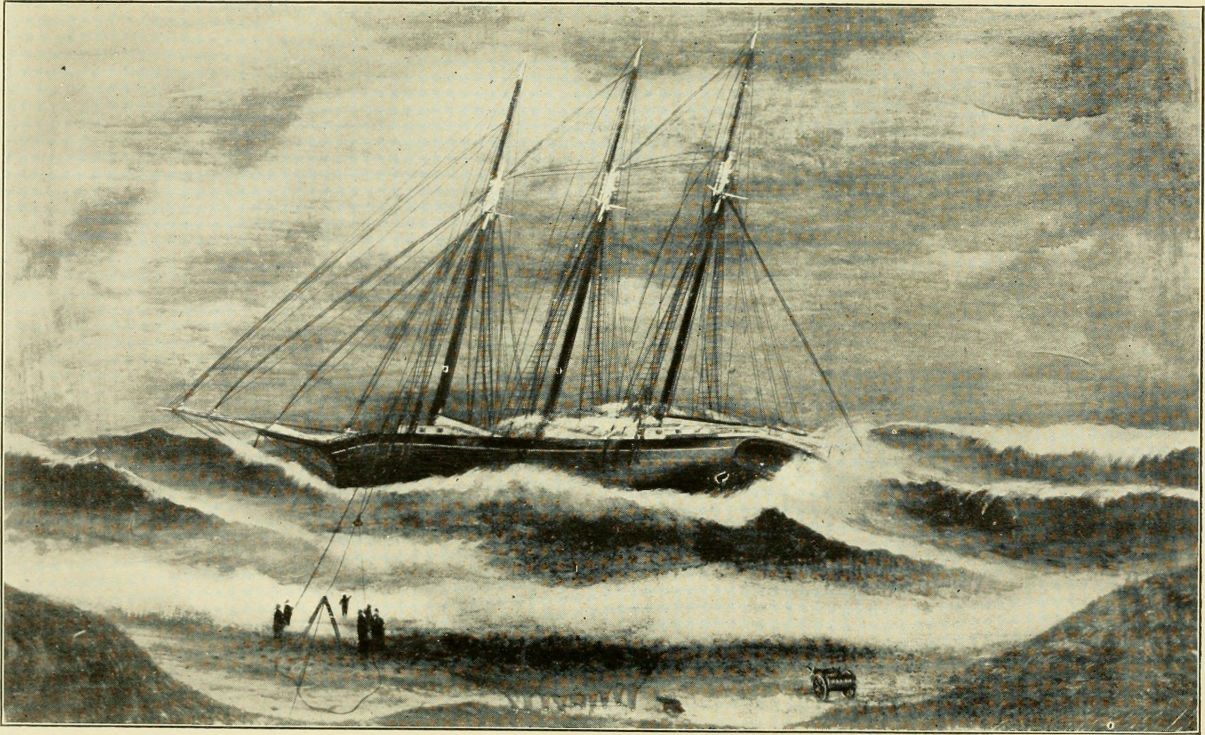
For much of America's history, shipwrecks were a common occurence off the coast of New England and other parts of the country. Hazardous waters, poor navigation technology, and lack of swimming ability among mariners made maritime transportation a particularly hazardous—and often deadly—task.
But the odds of surviving a wreck in America got much better in the early nineteenth century, when the Massachusetts Humane Society began establishing lifesaving stations along the coast of Massachusetts. These sheds housed lifeboats that could be launched through the surf and rowed out to a stricken vessel.
In 1848, the Federal Government created the United States Life-Saving Service and took over responsibility for the stations. The USLSS brought similar lifesaving stations to other parts of the U.S., including up and down the eastern seaboard and along the Great Lakes.
These stations are largely forgotten now, but shouldn’t be. The following images offer a glimpse of the heroic work of these lifesavers and their stations.