January 2026

Editor’s Note: Lena Andrews is an Associate Research Professor at the University of Maryland School of Public Policy and previously was a military analyst at the Central Intelligence Agency. Recently, she has published a fascinating book, Valiant Women: The Extraordinary American Servicewomen Who Helped Win World War II, on the important work of women during the war. Portions of this essay were adapted from that book.

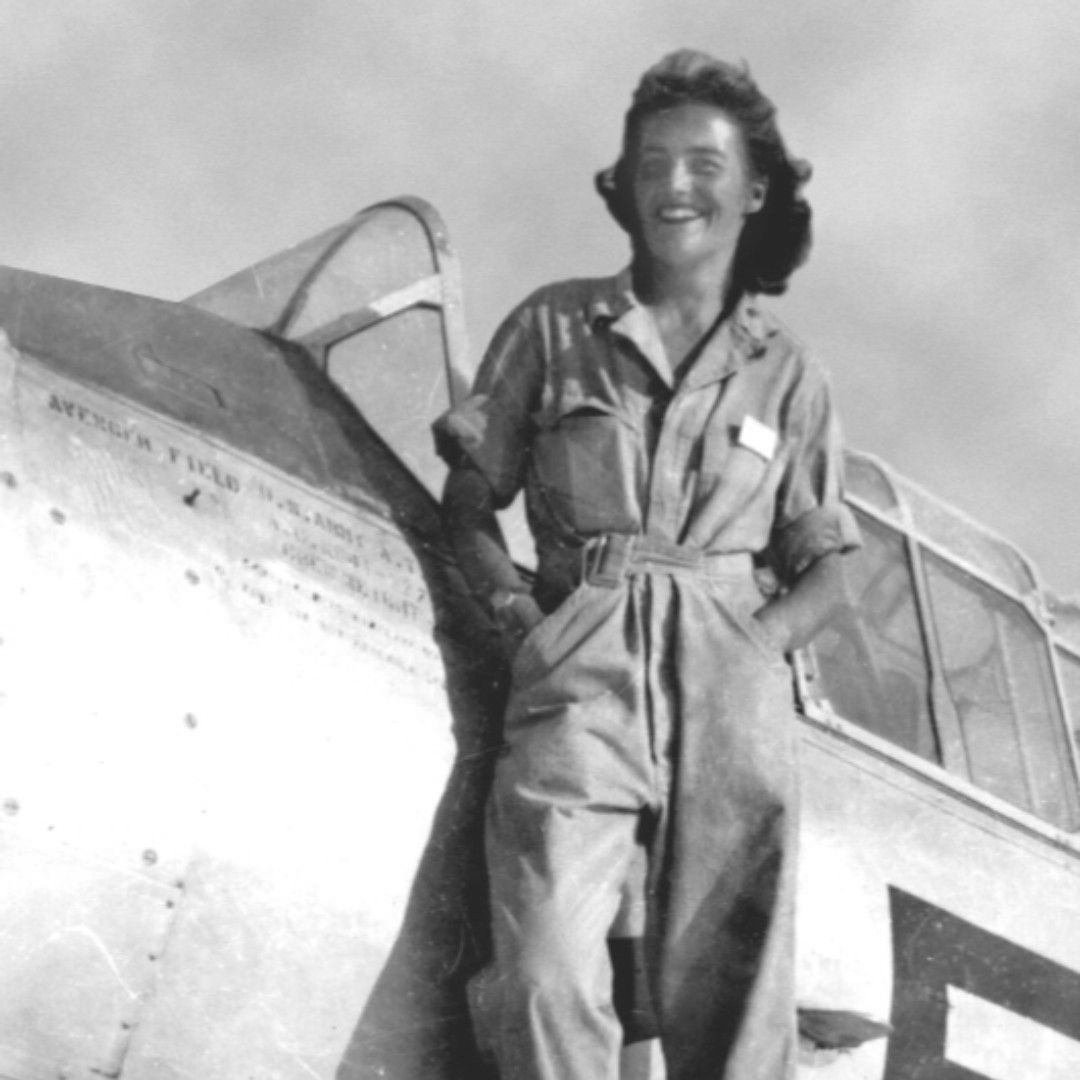
Ann Baumgartner on the wing of the AT-6 she flew during her training with the Women Airforce Service Pilots (WASP)
Ann Baumgartner stands on the wing of the AT-6 she flew during training for service with the Women Airforce Service Pilots (WASPs). Air Force Research Lab

Editor's Note: Peter Cozzens is the award-winning author of multiple works of U.S. history, including, most recently, Deadwood: Gold, Guns, and Greed in the American West. His review of Burstein's book was originally written for the Washington Independent Review of Books.

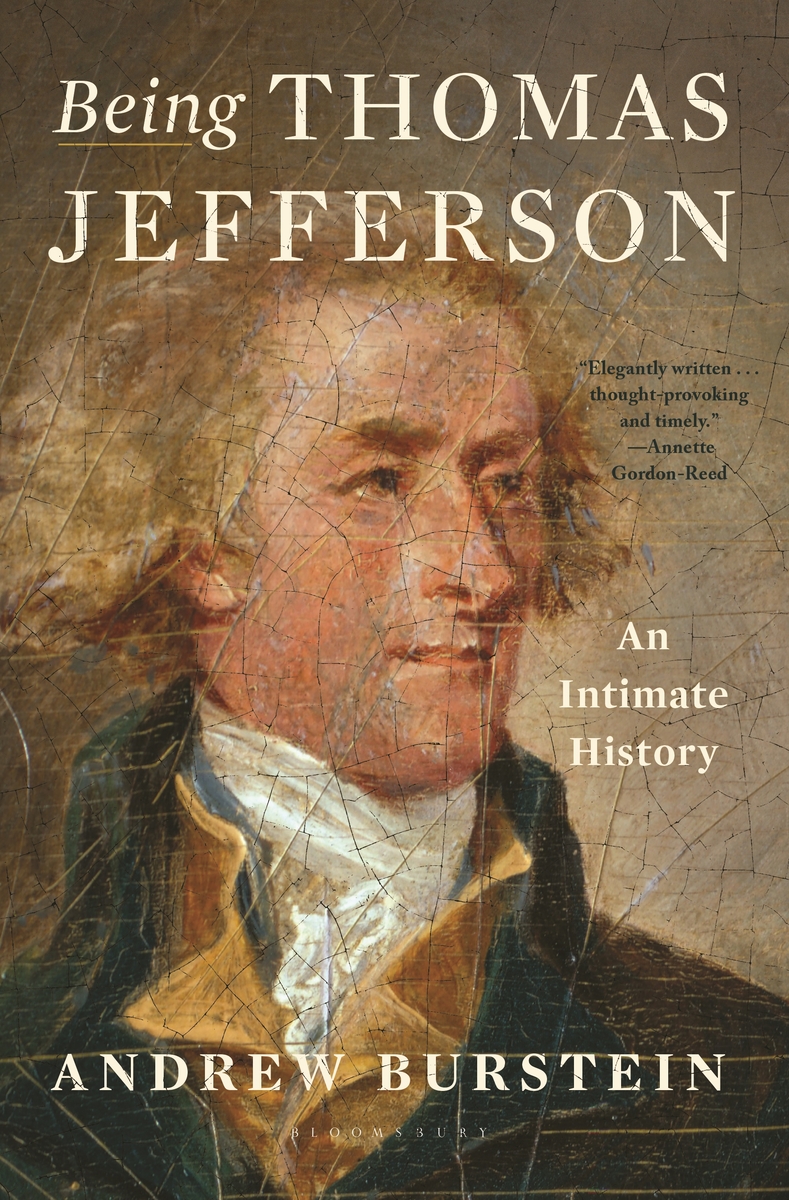
being thomas jefferson
Cover of Being Thomas Jefferson: An Intimate History, from Bloomsbury Publishing.

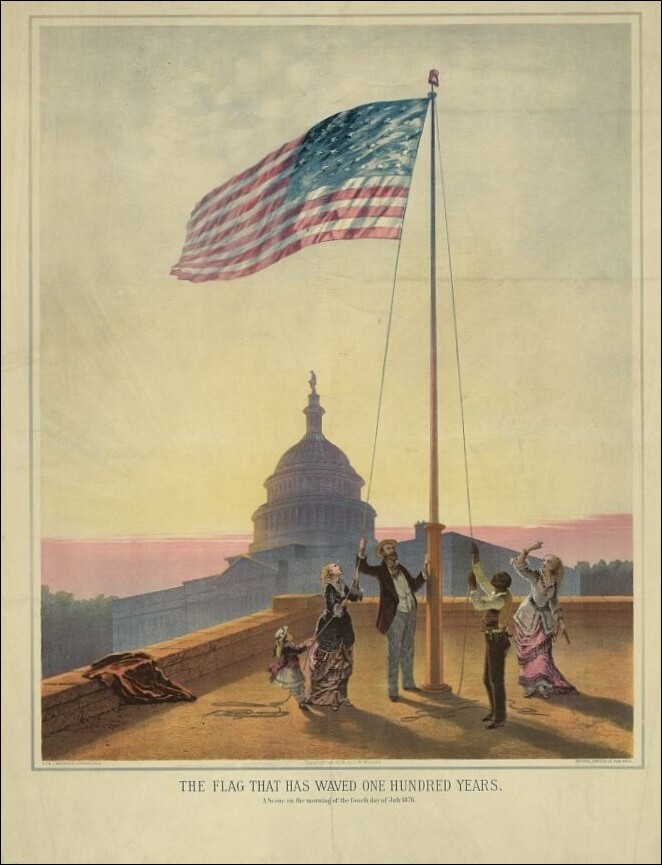
4th of july
Without the reference points provided by historical memory, such as the Fourth of July, Americans risk forgetting who they are. Library of Congress

Editor’s Note: Wilfred McClay is a professor of history at Hillsdale College and author of Land of Hope: An Invitation to the Great American Story, a widely used textbook and narrative history of the United States.

This year we celebrate the 250th anniversary of our nation’s birth, the date on which our free and independent nation was proclaimed to the world by the signing of the Declaration of Independence. 

We celebrate the enduring flame of the American Revolution, that fired the imaginations of the brave men and women who fought to make this country possible, against tremendous odds, and who saw to it that it would become a beacon to the world. 

Editor's Note: Stewart McLaurin is president of the White House Historical Association, and author of James Hoban: Designer and Builder of the White House. A version of this essay first appeared on the WHHA website.

The White House serves numerous functions: home to the president and his family, office for the president and his staff, ceremonial stage on which our nation welcomes its most important visitors, and a museum that welcomes over 500,000 visitors every year.

The current changes are only the latest transformations that this iconic building has undergone since its construction began in 1792. These alterations, driven by the practical needs, personal tastes, or political motivations of presidents and their families, have often sparked controversy, drawing scrutiny from the media, Congress, and the public, who view the building as a symbol of national heritage.

Living in the shadow of Nazism and Stalin, King did not share the faith of most mainstream liberals in the gradual improvement of humankind and human society.

This month we celebrate another birthday of Dr. Martin Luther King, Jr., the civil rights hero who was gunned down in Memphis in April 1968 at the age of 39. Since King’s death, historians and others across the political spectrum have hotly contested the meaning of his legacy. Who’s right?

Help us keep telling the story of America.

Now in its 75th year, American Heritage relies on contributions from readers like you to survive. You can support this magazine of trusted historical writing and the volunteers that sustain it by donating today.

Donate