January 2026

Editor's Note: Peter Cozzens is the award-winning author of multiple works of U.S. history, including, most recently, Deadwood: Gold, Guns, and Greed in the American West. His review of Burstein's book was originally written for the Washington Independent Review of Books.

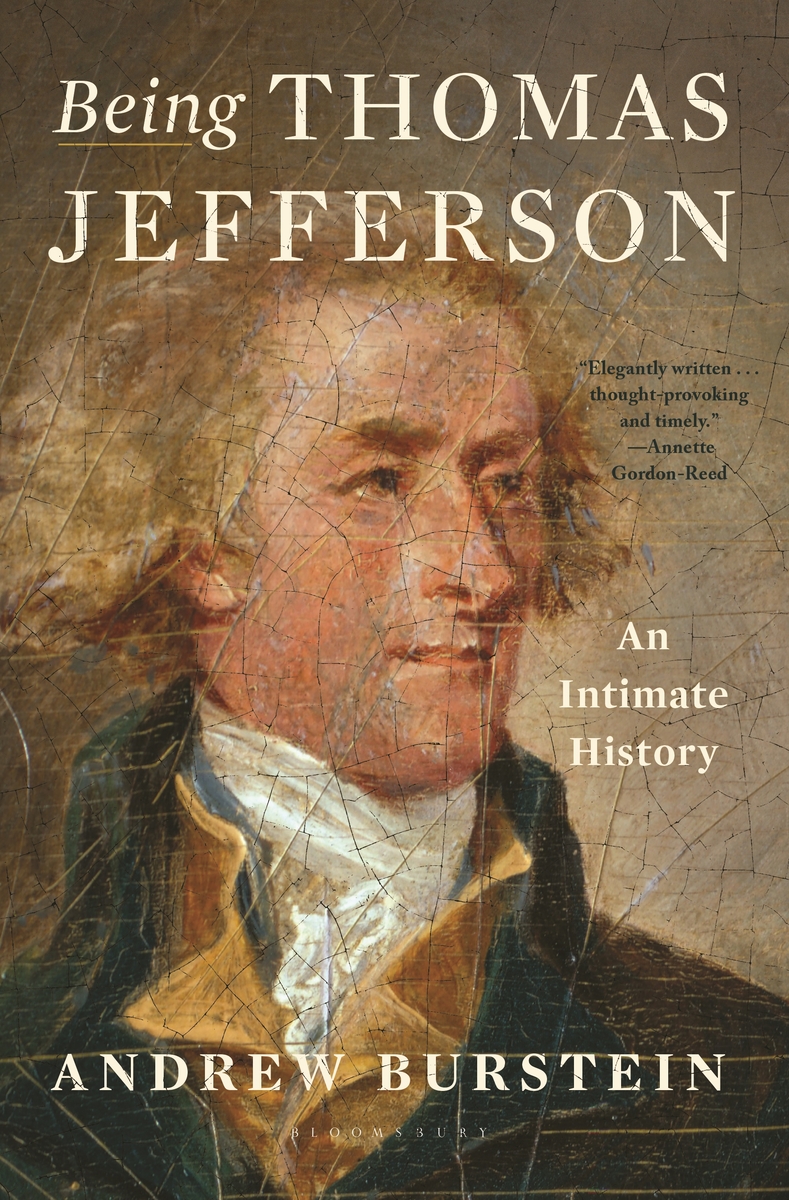
being thomas jefferson
Cover of Being Thomas Jefferson: An Intimate History, from Bloomsbury Publishing.

Editor’s Note: Wilfred McClay is a professor of history at Hillsdale College and author of Land of Hope: An Invitation to the Great American Story, a widely used textbook and narrative history of the United States.

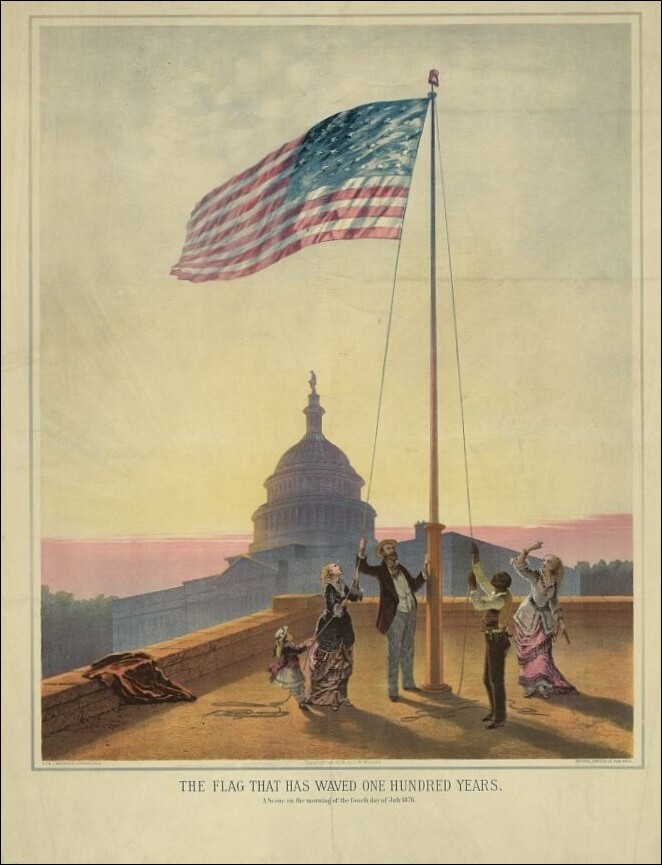
This year we celebrate the 250th anniversary of our nation’s birth, the date on which our free and independent nation was proclaimed to the world by the signing of the Declaration of Independence. 

We celebrate the enduring flame of the American Revolution, that fired the imaginations of the brave men and women who fought to make this country possible, against tremendous odds, and who saw to it that it would become a beacon to the world. 

That war was already well underway by July of 1776, and had been for more than a year. The American landscape was ringed with campfires and sounds of battle, with the ultimate outcome far from certain. When the Declaration’s signatories pledged their lives, fortunes, and sacred honor to the Patriot cause, they were not speaking rhetorically. The humiliations of failure – and worse – were a real possibility

Editor's Note: Stewart McLaurin is the president of the White House Historical Association, where this essay first appeared.

The White House is the home to the president and his family; the office for the president and his staff; the ceremonial stage upon which our nation welcomes its most important visitors, and a museum that welcomes over 500,000 visitors every year. This iconic building has undergone numerous transformations since its construction began in 1792. These changes, driven by the practical needs, personal tastes, or political motivations of presidents and their families, have often sparked controversy, drawing scrutiny from the media, Congress, and the public, who view the building as a symbol of national heritage.


Living in the shadow of Nazism and Stalin, King did not share the faith of most mainstream liberals in the gradual improvement of humankind and human society.

This month we celebrate another birthday of Dr. Martin Luther King, Jr., the civil rights hero who was gunned down in Memphis in April 1968 at the age of 39. Since King’s death, historians and others across the political spectrum have hotly contested the meaning of his legacy. Who’s right?

Help us keep telling the story of America.

Now in its 75th year, American Heritage relies on contributions from readers like you to survive. You can support this magazine of trusted historical writing and the volunteers that sustain it by donating today.

Donate