November 2026

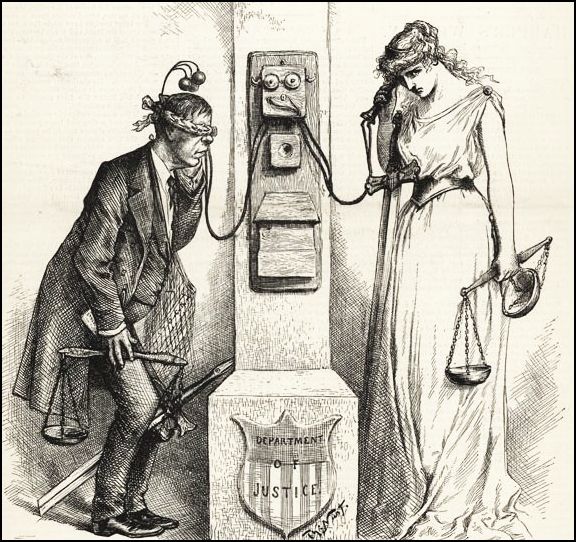
Cartoonists of the time mercilessly mocked those who were trying to steal the telephone patent
Cartoonists of Bell's time, including Thomas Nast (above), mercilessly mocked the rogues who were trying to steal his telephone patent. The U.S. Attorney General, August Garland, was caught having accepted a bribe of half a million dollars to push phony claims about Bell. James Gleick repeats that bogus evidence as if it were credible.

Editor's Note: Edwin S. Grosvenor is Editor-in-Chief of American Heritage and author of Alexander Graham Bell: The Life and Times of the Inventor of the Telephone and numerous articles about Bell. He is a Bell descendant.

Historians often quibble over interpretations of what happened in the past. That's one thing that enlivens our profession. 
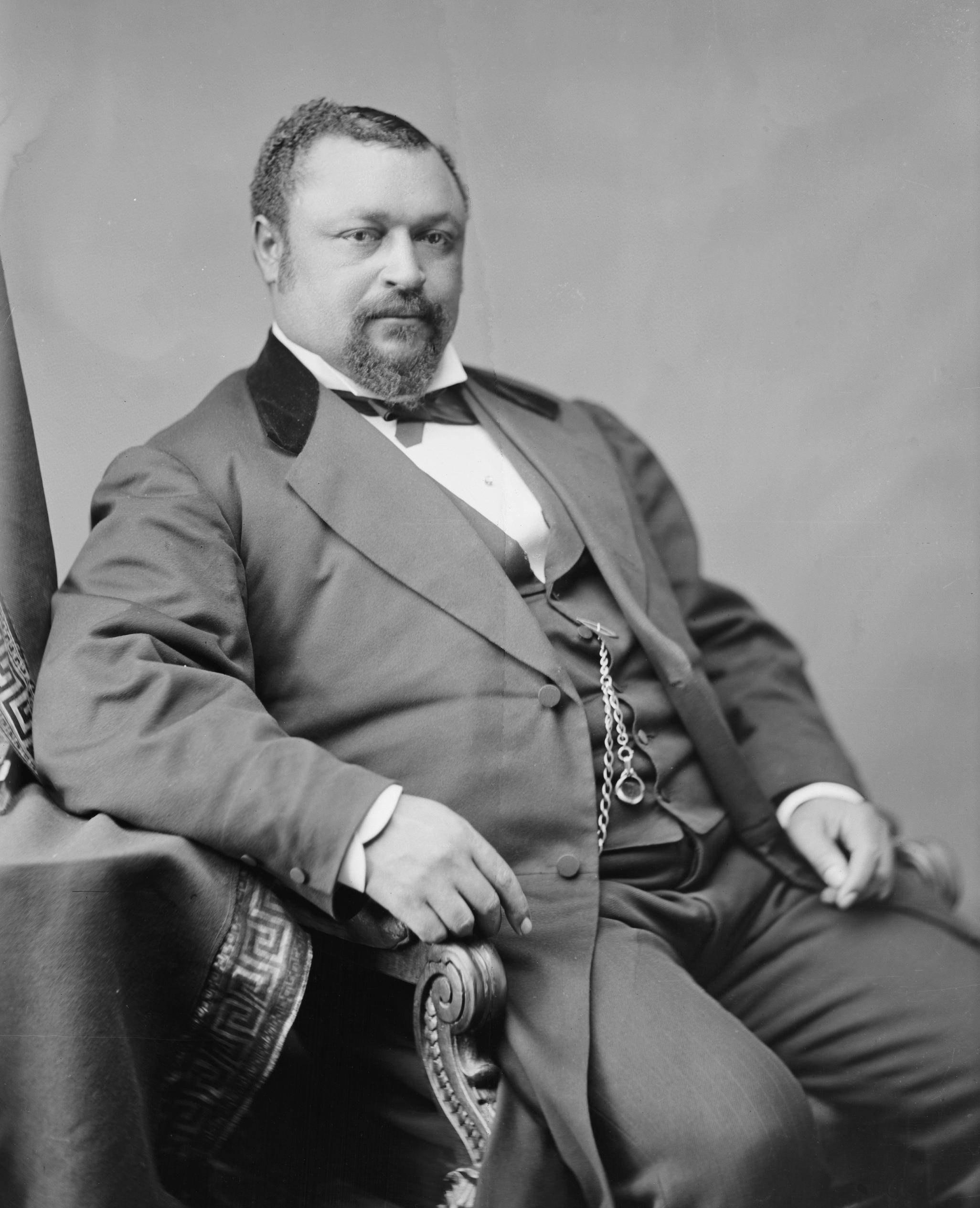
Sen. Blanche Bruce, photographed by Matthew Brady.
Sen. Blanche K. Bruce photographed by Mathew Brady. Library of Congress

Editor's Note: Eugene L. Meyer was a reporter and editor at The Washington Post for more than three decades, and has been widely published in regional and national magazines. He posts on SubStack and blogs at www.eugenelmeyer.com.

seeger cbs
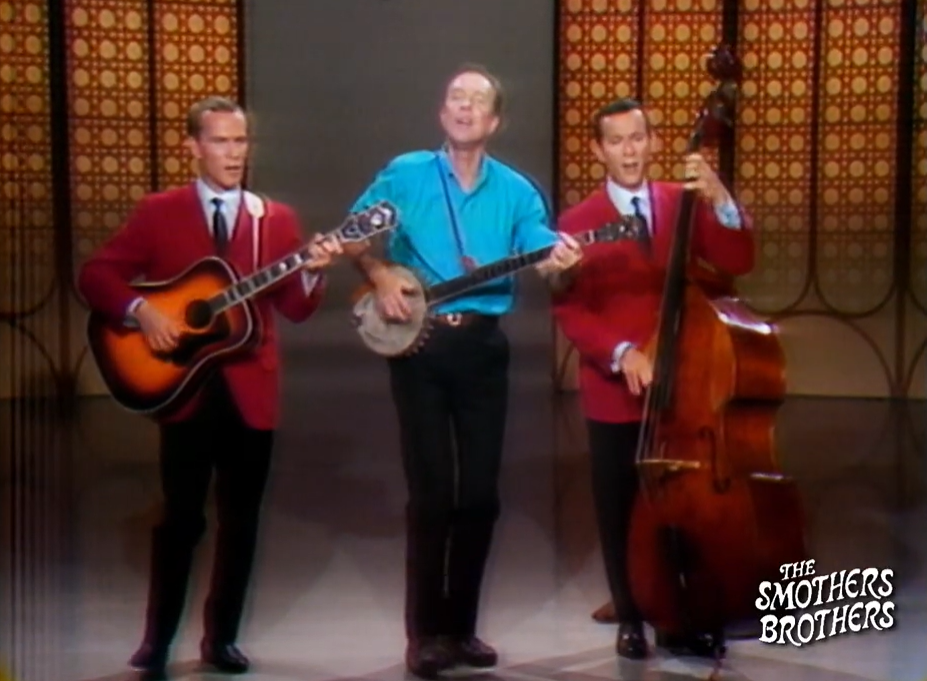
Seeger had been kept off commercial American television for more than a decade before returning in 1967 to perform on the Smothers Brothers Comedy Hour on CBS. Youtube

Army Private Pete Seeger felt a surge of disgust when he read that the California American Legion was pushing to deport all Japanese-Americans, even U.S. citizens. It was 1942, a time of intense wartime hatred of the Japanese, but Seeger thought the Legion was out of line and dashed off a protest letter. “(W)e're fighting precisely to free the world of such Hitlerism, such narrow jingoism,” he wrote. "America is great and strong as she is because we have so far been a haven to all oppressed.”

Editor’s Note: Robert Parkinson is a professor at Binghamton University and author of four books including Tyrants and Rogues: Understanding the Declaration of Independence.

We often forget the wartime context of the Declaration, that it was produced in the heat of a confusing, bloody, and desperate conflict.

On August 16, 1770, the leaders of New York’s Colonial government gathered at Fort George, the fortification on the southern tip of Manhattan originally built by the Dutch a century and a half before. They were there to dedicate a statue of King George III on Bowling Green, the park adjoining the fort’s north grounds. To mark the occasion, at noon the “principal Gentlemen in the City, both Civil and Military” drank several toasts and fired off thirty-two pieces of cannon from the Battery.

Editor’s Note: Barbara A. Perry is a professor at the University of Virginia's Miller Center, where she co-chairs the Presidential Oral History Program, and is the author of several books including Jacqueline Kennedy: First Lady of the New Frontier.

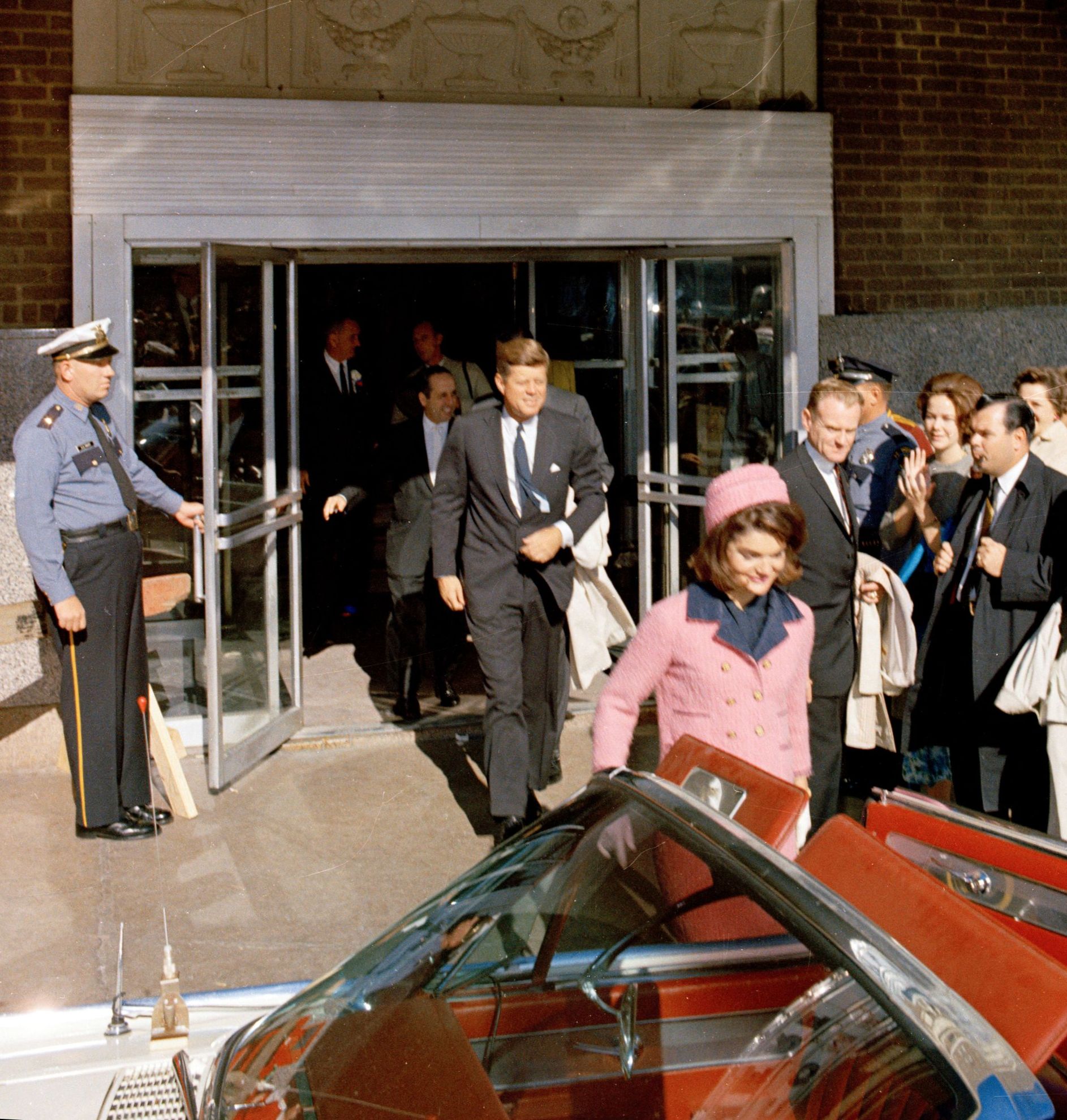
President and Mrs. Kennedy leave Fort Worth for Dallas on the fateful morning of November 22, 1963. JFK Library

Help us tell the story of America.

For over 75 years, American Heritage has chronicled our nation's history like no other publication. Please support our trusted, non-partisan historical writing and the volunteers that sustain it by donating today. We rely on contributions from readers like you to survive.
Donate