
New scrutiny questions the record of Woodrow Wilson, long thought to be one of our greatest presidents.
-
Spring 2026
9 months ago By Edwin S. Grosvenor Volume71Issue2
Editor’s Note: Christopher Cox has served as a White House counsel, the fifth-ranking leader in the U.S. House of Representatives, and chair of the Securities and Exchange Commission. Subsequently, while working as a corporate attorney, consultant, and board member, Cox spent 14 years researching and writing a formidable new biography, Woodrow Wilson: The Light Withdrawn, published by Simon & Schuster. Mr. Cox adapted and supplemented portions of the book in the following essay.
A century after his death, Woodrow Wilson remains enormously consequential. Few Americans have had a more enduring influence on their nation’s history. Although his active presidency was cut short by tragic illness, his legislative legacy continues to shape American life in the 21st century. The progressive income tax, the Federal Reserve, the Federal Trade Commission, the National Park Service, the Clayton Antitrust Act – all were signed into law by the twenty-eighth president.
Even after Wilson’s death, the momentum of his idealism and vision for the League of Nations remained sufficiently strong to lead to the creation of a successor global institution, the United Nations, which is still very much with us. “It is above all to the drumbeat of Wilsonian idealism that American foreign policy has marched since his watershed presidency and continues to march to this day,” Henry Kissinger observed in 1994.
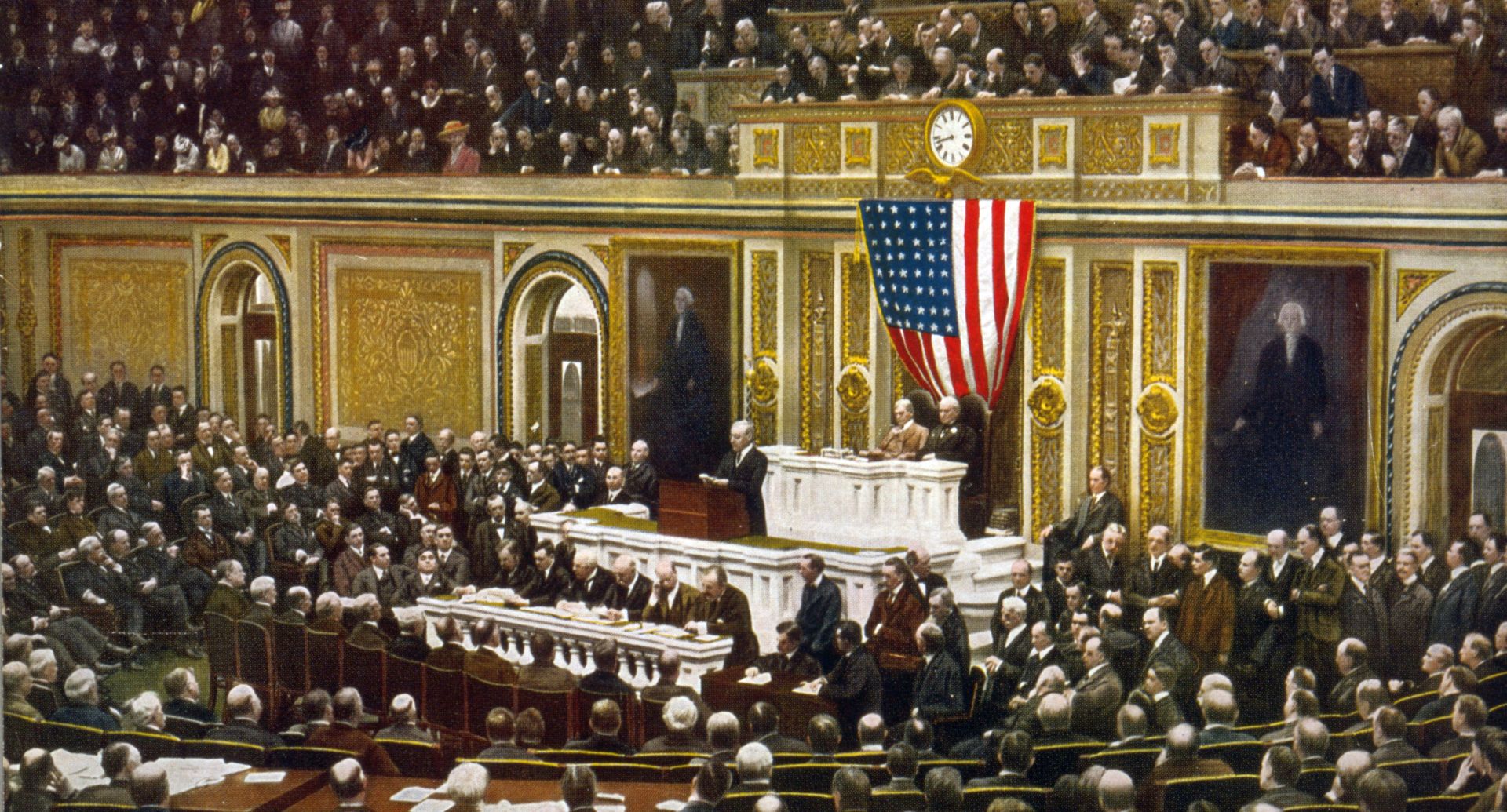
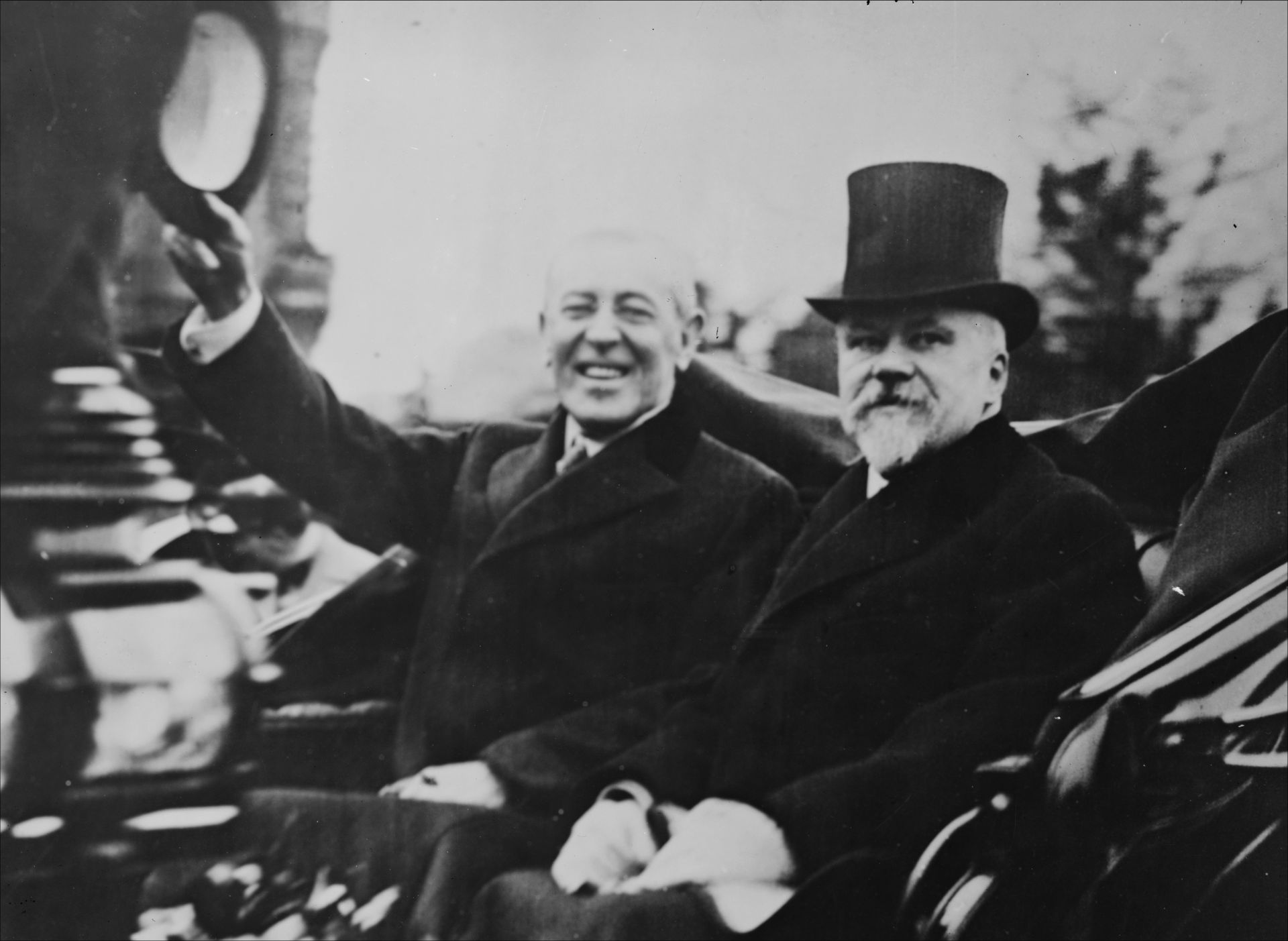
As a wartime president, Wilson was idolized by the citizens of London, Paris, and Rome, where millions gathered to receive him as a hero when peace finally dawned. People continue to be fascinated by his story, bookended by his spectacular rise from academia to the White House within the span of barely two years, and his equally spectacular fall marked by the dual tragedies of losing his fight for the League of Nations in 1919 and then losing his life to arteriosclerosis and its sequelae in 1924. In our own age – when few politicians seem able to demonstrate either good manners or grammatical English – Wilsonian eloquence and public propriety ring down through the ages as exemplars.
Over two thousand books have been written in English about Woodrow Wilson, with many others in French, German, Japanese, Russian, and more languages. From the outset his biographers portrayed him as a heroic figure, focusing on what they saw as the positive qualities of Wilsonianism: his idealized democracy, internationalism, workers’ rights, progressive taxation, and energetic federal regulation of corporations and monopolies. Not until Arthur Walworth’s Pulitzer Prize-winning, two-volume work in 1958 was either women’s suffrage or Wilson’s policy of federal government segregation mentioned in a Wilson biography. Even then, Walworth devoted only a few words to these subjects.
The pattern continued for the balance of the 20th century and into our own. Only recently have Wilson biographers begun to take his race and gender prejudices seriously, albeit without treating them as central to his presidency. And only in the academic literature has the entirety of his record been subjected to scrutiny in light of these prejudices. That scholarship, in turn, has precipitated an ongoing reassessment of the Wilsonian legacy in both domestic and foreign policy.
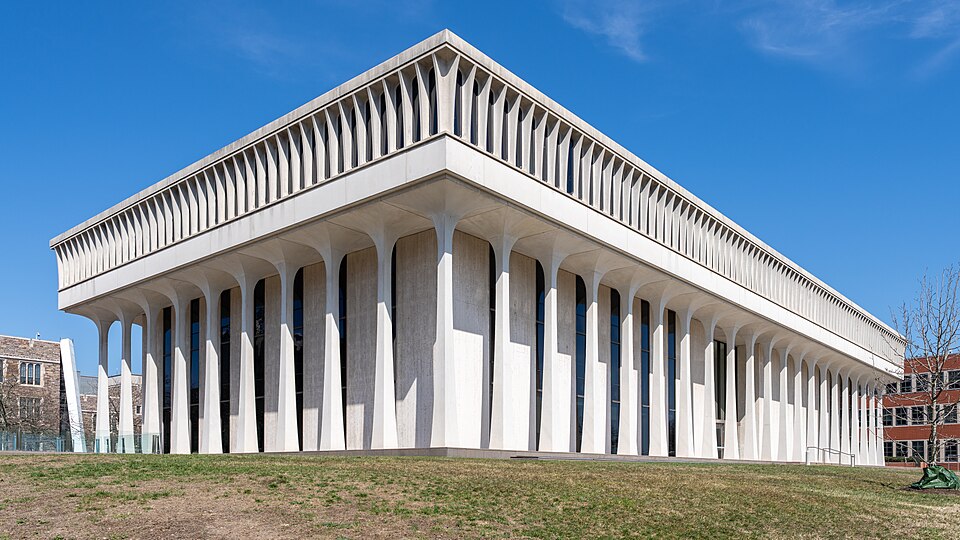
When Princeton stripped Wilson’s name from its School of Public and International Affairs in 2020, the university’s president observed that Wilson had been honored for years despite, or “perhaps even in ignorance of, his racism.” The same may be said of his years of resistance to women gaining the ballot.
Though it is not widely known, Wilson’s deference to Jim Crow in southern Democratic states contributed to his opposition to the Susan B. Anthony Amendment throughout most of his two presidential terms. It was in many ways unfortunate that Wilson, whose early writings at Princeton declared universal suffrage to be “the foundation of every evil in this country,” came to occupy the White House just as the national movement for women’s suffrage reached a tipping point.
As the first southern Democrat to occupy the White House since the Civil War era, Wilson recruited white supremacists for his administration who moved quickly to segregate offices and facilities across the federal government. They shared his atavistic views of women’s roles, and he shared their aversion to Black people voting and to federal enforcement of voting rights in the former Confederacy – something the venerable Susan B. Anthony Amendment threatened explicitly to bring with it. (Championed by suffragists in and out of Congress since 1878, this guarantee of women’s voting rights would become part of the Constitution as the 19th amendment in 1920.)
Wilson’s career in both academia and politics is notable for his lifelong study of rhetoric and his passion for oratory. Never were his words more uplifting than when he spoke of “the things which we have always carried nearest our hearts” – “the right of those who submit to authority to have a voice in their own Governments.” He employed those same rhetorical skills to camouflage his policies deliberately denying that right to millions of Americans.
See also: "The Wilsonian Century" by Michael Mandelbaum in the Fall 2024 issue
The day after Wilson’s inauguration as Princeton president in 1902, sixty miles away in New York City, the noted suffragist Elizabeth Cady Stanton breathed her last. It had been more than half a century since the Seneca Falls convention where she, Lucretia Mott, Frederick Douglass, and the pioneers of the women’s rights movement launched the national fight for women’s right to vote. The new leader of Princeton did not share their vision. “It is plain what the nation needs,” he announced in his inaugural address. “It needs efficient and enlightened men.”
Prior to Wilson’s taking the reins, Princeton had experimented with coeducation. Over the course of ten years, there had been a distinct women’s college located “right under the shadow of Nassau Hall,” as Harper’s Bazaar described it in 1896. This led the magazine’s editors to predict that one day soon “our country shall ... speak with equal pride of the sons and daughters of Princeton.” Once he assumed office, Wilson made certain there were no further attempts to integrate women, either as students or faculty. By the end of his presidency Princeton’s identity as an all-male bastion was thoroughly solidified. Women would not enter Princeton as students or professors for another six decades.
Wilson was just as strongly opposed to admitting Black students. Although his years as university president coincided with the entrenchment of segregation throughout the South, segregation was in disrepute among the elite colleges of the Northeast, impelling him to warn his Princeton colleagues against the danger of any Black student entering. At the same time, the publication of his History of the American People in the year he became university president spread his disparagement of Reconstruction and his rationalizations of Ku Klux Klan violence far beyond the confines of the Princeton campus.
Wilson’s multivolume history was particularly well received by his longtime friend and classmate Thomas Dixon, who leaned on it heavily as source material for his romantic trilogy on the Klan. All three of Dixon’s volumes would be published during Wilson’s tenure as Princeton’s president. Sales of the second volume, The Clansman: An Historical Romance of the Ku Klux Klan, surpassed a million copies. The book dramatized (and grossly distorted) the Reconstruction period between 1865 and 1870, building on Wilson’s narrative.
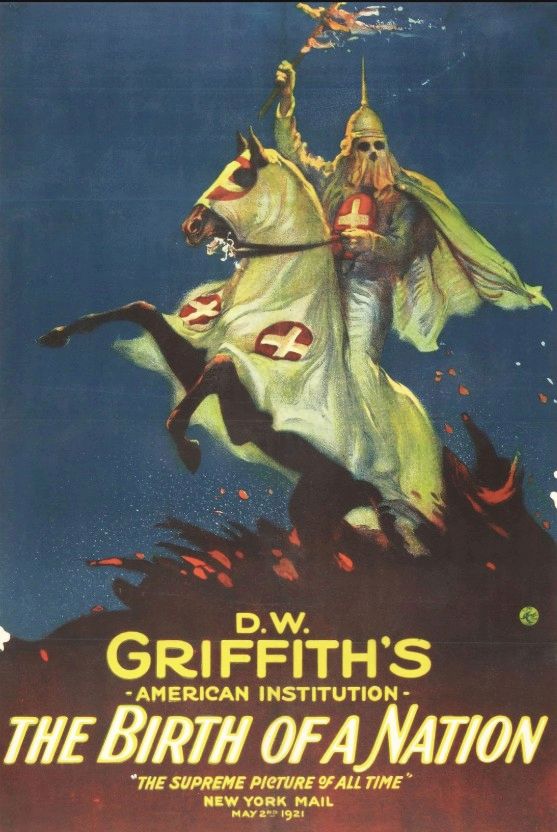
When The Clansman was later adapted into the 1915 film The Birth of a Nation by Hollywood impresario D. W Griffith, direct quotations from Wilson’s History of the American People appeared as intertitles throughout the movie. A stage production, which followed less than a year after the book, drew sellout crowds, instigated riots, and inflamed theater reviewers throughout the country.
Even in the South, the racism was too much for some to take: the Chattanooga Daily Times called the play “a riot breeder,” designed “to excite rage and race hatred.” Alabama’s governor called it a “nightmare” and “disgusting beyond expression.” The Knoxville Journal and Tribune called Dixon, the playwright, “a servant of the devil.”
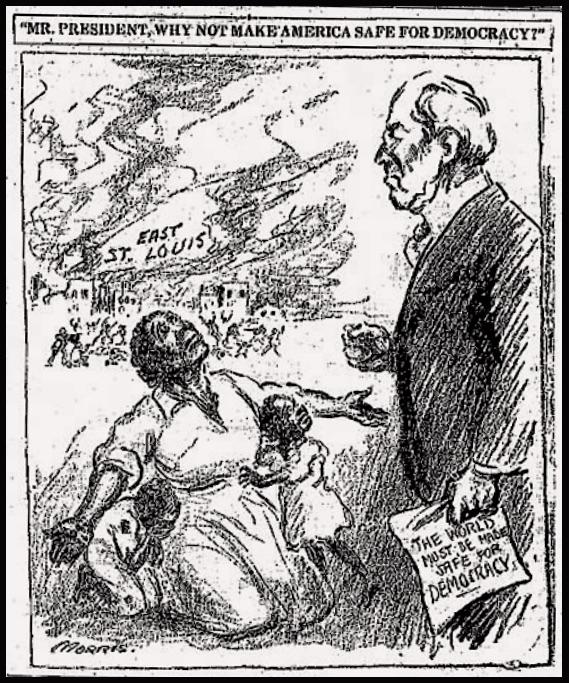
The New York opening of the stage version of The Clansman drew the largest audience ever to attend a performance at Broadway’s Liberty Theatre. Its run there would last over six months, attracting nearly half a million theatergoers in that venue alone. Wherever it ran, the play either thrilled or scandalized audiences with its racism, its romanticism of the Klan, and – not incidentally – its objectification of women. (Black-on-white rape and the “lure of sex,” as one reviewer put it, being central to the story).
Wilson’s books would have influence, too, though in much more subtle ways, and over a longer period of time. As Princeton president, however, his immediate influence was on the institution. Prior to Wilson’s presidency, several Black men had studied at Princeton; two of them received graduate degrees. Wilson made sure this experimentation came to an end. He insisted that admitting a Black student would go against “the whole temper and tradition of the place.”
Furthermore, Wilson expected Princeton to keep this tradition not only for his presidency but forever after. He deemed it “extremely unlikely” that the question of admitting a Black student “will ever assume a practical form.” Thanks to the exclusionary policy he put in place, no Black student would receive an undergraduate degree from Princeton until 1947.
This did not stop Black men from seeking admission, of course. After all, by the time Wilson took charge of the university, dozens of first-rate institutions including Harvard, Yale, MIT, Dartmouth, the University of Chicago, Cornell, Brown, the University of Pennsylvania, Williams, Amherst, and Rutgers had all produced Black graduates. It was not unreasonable for Black men to expect they could apply to Princeton. McArthur Sullivan, a Black student at the Virginia Theological Seminary, did so in 1909 and in the process made a direct appeal to Wilson. “I want so much to come to your school at Princeton,” he pleaded. “I am a poor southern colored man from South Carolina, but I believe I can make my way if I am permitted to come.” Sullivan’s question was a simple one: he wanted to know “whether a colored man may enter there.”
Wilson’s answer was an unqualified no. It would be “altogether inadvisable for a colored man to enter Princeton,” he insisted. Without evident compunction, he instructed the university’s first secretary to reply to Sullivan that there were other places the young man might apply, such as Harvard, Dartmouth, or Brown, where Black applicants were accepted.
The question again assumed “practical form” when a Princeton clergyman met with Wilson to seek admission for his son. In his youth, the man had escaped slavery on the Underground Railroad and served in the Union army. He was well known in the community as a bridge builder between white and Black neighborhoods, and he had earned goodwill on campus by driving Princeton students to and from the city in his spare time. Now he had a discrete favor to ask. His son had completed high school in Trenton, and could President Wilson help him gain admission to Princeton?
Wilson’s reply was as reflexive as it was high-handed and blunt: “No, it is quite impossible.”
The story gained notoriety because the student’s younger brother, Paul Robeson, eventually became nationally famous. He would go on to become an all-American football player at Rutgers, a graduate of Columbia Law School, and a star on Broadway and in film. Robeson the actor remained bitter toward Wilson his entire life, owing to the mistreatment of his father and brother. Airing his grievances publicly and passionately, he derided the 28th president as an “advocate of democracy for the world and Jim Crow for America.”
The tone at the top throughout Wilson’s stewardship of Princeton remained decidedly racist. He was known on campus for his racial jokes and his exaggerated imitation of Black dialect. At a Princeton dance, he gathered the students around and told stories about one of his “favorite comic subjects, rustic Negroes.” He objected to students taking part-time work as waiters in the dining halls because “menial service of that kind is ordinarily rendered by negroes.” Allowing white students to perform it, he said, would result in an “inevitable loss of self-respect.”
A contemporary research report comparing Princeton under Wilson’s leadership to other leading American universities found it to be “the least open to blacks” of all the schools measured. The exclusion of Black applicants “by reason of their race,” the authors added pointedly, was an “injustice in which Princeton is unique among the universities.”
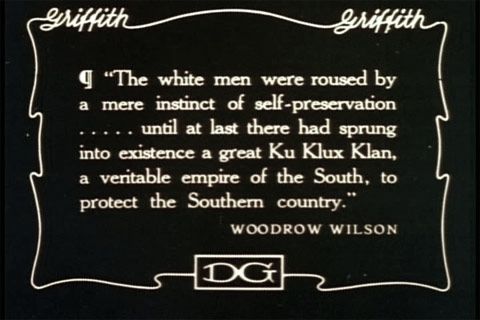
The same report gave Wilson equally low marks for his policies toward women. “In the first place, half the human race is excluded on the ground of sex,” the researchers observed, making Princeton “the only one of these fourteen great universities [in the study] which does not in some way provide for the educational needs of women.” For good measure, Princeton was labeled “the most anti-Semitic of all the schools” in the study.
While “Harvard’s ideal is diversity,” the 1910 study concluded, the “aim of Princeton is homogeneity.”
Wilson practiced what he preached. He no more wished his own daughters to attend a school like Princeton than for Princeton to admit them. With the approval of his wife, he saw to it that when Margaret, Jessie, and Nell were of college age, they stayed away from the likes of coeducational institutions such as Swarthmore or Cornell, or colleges for “bluestockings” such as Bryn Mawr. Instead, all three Wilson daughters attended small women’s colleges (the youngest in North Carolina, where, as her father hoped, “she could unlearn her Yankee accent”).
Yet two of his daughters became active supporters of the suffrage movement and chafed at their father’s continued opposition to women voting. “You have the vote,” Wilson’s middle daughter, Jessie, told him near the end of his time at Princeton, “but there is only one of you and there are four of us, and we are unrepresented.”
The virulent recrudescence of racial prejudice during Wilson’s presidency, which culminated in the rebirth of the Ku Klux Klan decades after its thorough destruction at the hands of President Ulysses Grant, amplified long-standing tensions within the predominantly white women’s suffrage movement over matters of race. At the same time, it energized the Anthony Amendment’s white supremacist opponents. The tendrils of racist politics reached even into the final, monumental U.S. Senate contest over women’s voting rights in 1919, when a physically fading Wilson would be complicit in a last-ditch attempt to rewrite the Susan B. Anthony Amendment to protect Jim Crow.
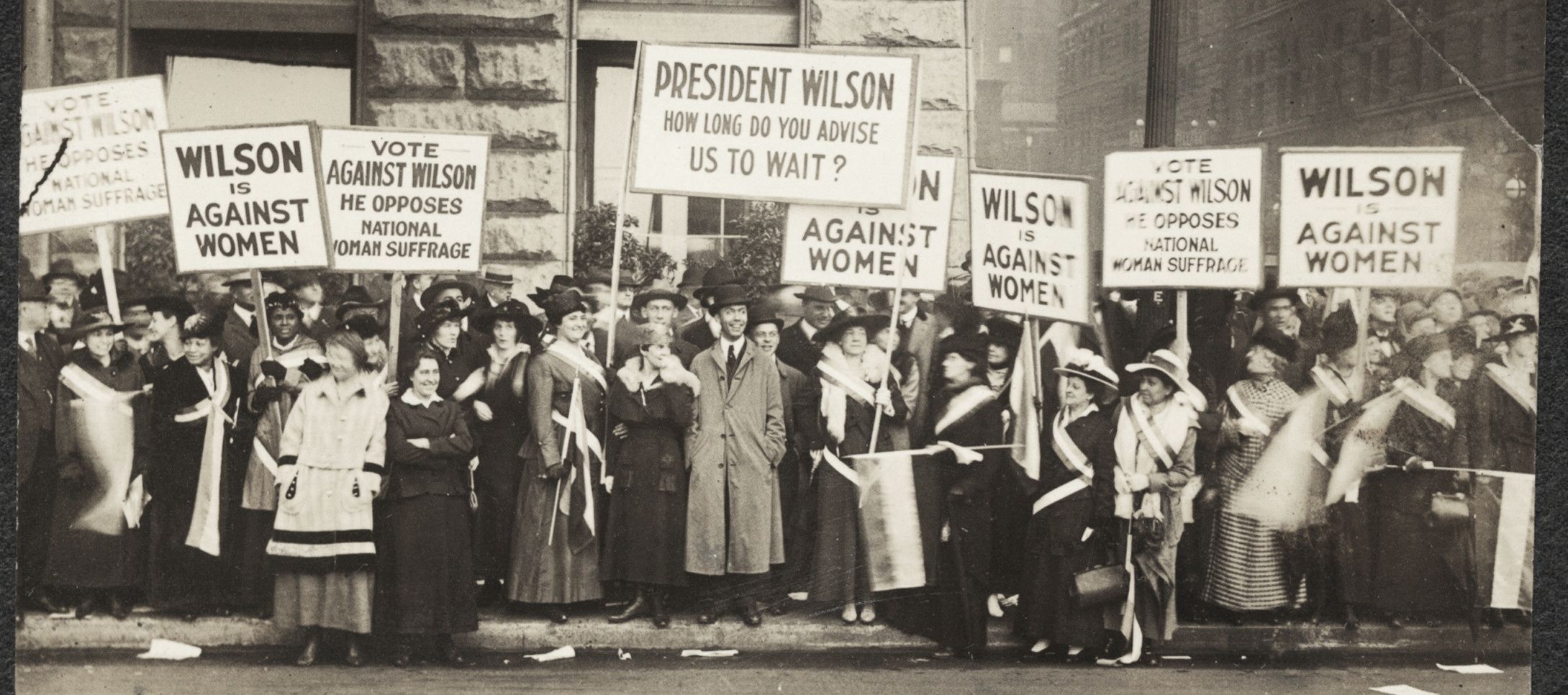
In January 1918, with voting rights for women the number-one domestic issue gripping the nation, two-thirds of the House voted to approve the Anthony Amendment. To this point Wilson had resolutely opposed it throughout his two terms as president. But on the night before the vote, in response to the urgent pleas of pro-suffrage House Democrats, he abruptly dropped his long-standing opposition, though with a noticeable lack of enthusiasm. He refused to issue his own statement, insisting “I am not to be quoted.” It would be almost nine months more before Wilson finally addressed the subject of the Anthony Amendment in a public speech.
The occasion was the Senate debate on the amendment. Wilson assured the senators of his unqualified support. Yet despite this public posture, in private he encouraged a last-ditch effort by southern Democrats to rewrite the Anthony Amendment. The purpose of the revision, according to its sponsors, was to "pull its teeth out" by limiting federal enforcement, thereby ensuring that Jim Crow states could extend voting rights to “white women only.”
Fortunately for posterity, this shameful scheme to substitute a counterfeit Susan B. Anthony Amendment died on the Senate floor on March 4, 1919, in the final moments of the last day of the lame duck 65th Congress. It was the last time during Wilson's presidency that he would enjoy Senate and House majorities.
In the next Congress, nearly a century and a half after Abigail Adams warned her husband John that women “will not hold ourselves bound by any laws in which we have no voice or representation,” supermajorities of the men in both chambers responded by passing the unadulterated Anthony Amendment. As newsreel movie cameras filmed the jubilation at the Capitol and thousands of newspapers ran outsized page-one headlines spreading the good news nationwide, Woodrow Wilson remained silent.
In his lifetime, Wilson knew widespread acclaim, and ultimately, abject defeat. Through it all, his motives were rarely questioned. On the day of his death, then-president Calvin Coolidge recognized him as a man “moved by an earnest desire to promote the best interests of the country as he conceived them.” Herbert Hoover, in his sympathetic book on Wilson, called him a man of “courage and eloquence” on par with the heroes of Athens lauded by Pericles, worthy of “praise that will never die.” Such bipartisan affirmation eventually earned Wilson a coveted place in the Hall of Fame for Great Americans in New York City, the nation’s original pantheon.
Not far beyond Wilson’s bust along the sweeping neoclassical arc is the sculpture of the poet and abolitionist John Greenleaf Whittier, who had long admired Daniel Webster’s leadership in the fight against slavery. When, shortly before his death, Webster broke millions of American hearts by supporting the fugitive slave law at the center of the Compromise of 1850, Whittier was moved to write his mournful elegy.
So fallen! so lost! the light withdrawn
Which once he wore!
The glory from his gray hairs gone
Forevermore!
Today, Whittier’s words seem appropriate as well for Woodrow Wilson – a man who once wore glory as a crown and might have illuminated future ages, but whose civil rights legacy casts a long shadow over the nation he once led.
Wilson, like Webster, had once offered hope to Black Americans such as William Monroe Trotter, the influential editor, writer, and civil rights leader who supported him in his first presidential campaign. Millions of supporters of women’s suffrage equally trusted in his high-minded rhetoric of democracy for all. Whittier’s counsel is to repress anger and rage when a leader we have idealized shatters our hopes, and instead to meet such profound disappointments with sadness tempered by humility. To those of us looking on from more than a century’s distance, this is especially sage advice.
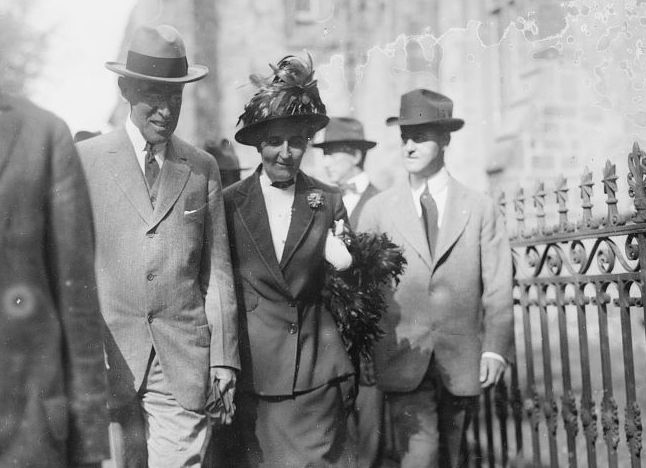
The deep disillusionment expressed by Wilson’s contemporaries who fought for universal suffrage, which we can share, must be leavened with more than a little empathy for them, to be sure, but also for him. We can and should approach Wilson’s career unromantically and searchingly.
And to the extent that Wilson disappoints, we are more than recompensed by the remarkable example of the women and men to whom credit for the Susan B. Anthony Amendment truly belongs. Their contributions to American democracy are all the more inspiring for having overcome so many decades of opposition. Not a few of them served in Congress, and their leading roles in the suffrage story are too often overlooked.
Today, as public approval of the legislative branch continues to sink, this aspect of Wilson’s presidency offers a hopeful reminder: historically, Congress has often served as a check on presidential inaction, excess, and abuse of power. It has been the driving force for many of the nation’s important victories, notably including women’s suffrage.
At the millennium, when the Gallup organization asked the American public to name the most important event of the 20th century, sixty-six percent chose “Women gaining the right to vote” – ahead of landing a man on the moon, the fall of the Soviet Union, World War I, and the Great Depression. Only World War II ranked higher.
Though he stood athwart it over his long career as a political scientist and through both of his presidential elections, the great civil rights advance of the Anthony Amendment ranks also as a defining element of Wilson’s legacy. The amendment’s ultimate success shines more brightly for having overcome his stubborn opposition, and the racist motive that lay behind it.
This, Wilson’s greatest moral failure, set twentieth-century America on a tragic course that we in the present day still struggle to correct. Long after his death, as his grievous faults come into focus alongside his positive achievements, the schoolmaster president continues to teach us.