Trusted Writing on History, Travel, and American Culture Since 1949
SEARCH 75 YEARS OF ESSAYS!
Featured Essays
Some writers ignore a mountain of evidence contrary to their theories about the telephone's development.
New evidence finally settles the 150-year-old debate as to whether Alexander Graham Bell or Elisha Gray first invented the telephone.
Congress forbade living persons from appearing on paper currency in 1866, after an unpopular Treasury Department official put himself on the five-cent note.
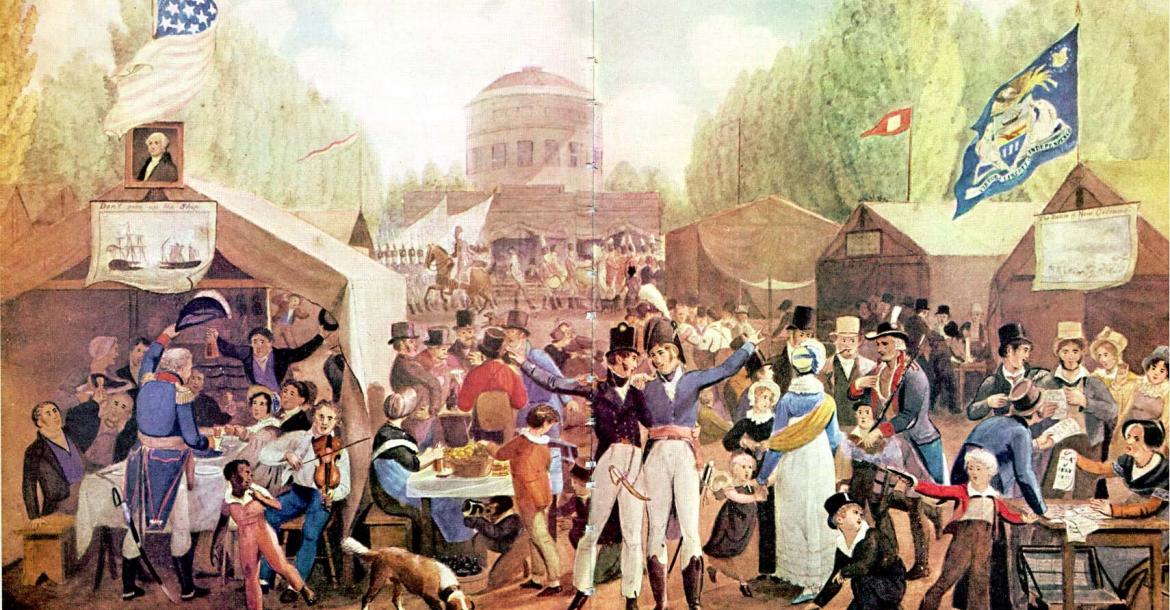
The extravaganza celebrating the nation’s first century was the greatest cultural event of America’s Gilded Age.
America 250!
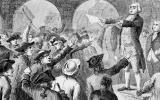
“The Die is Now Cast” | November/December 2024, Vol 69, No 5
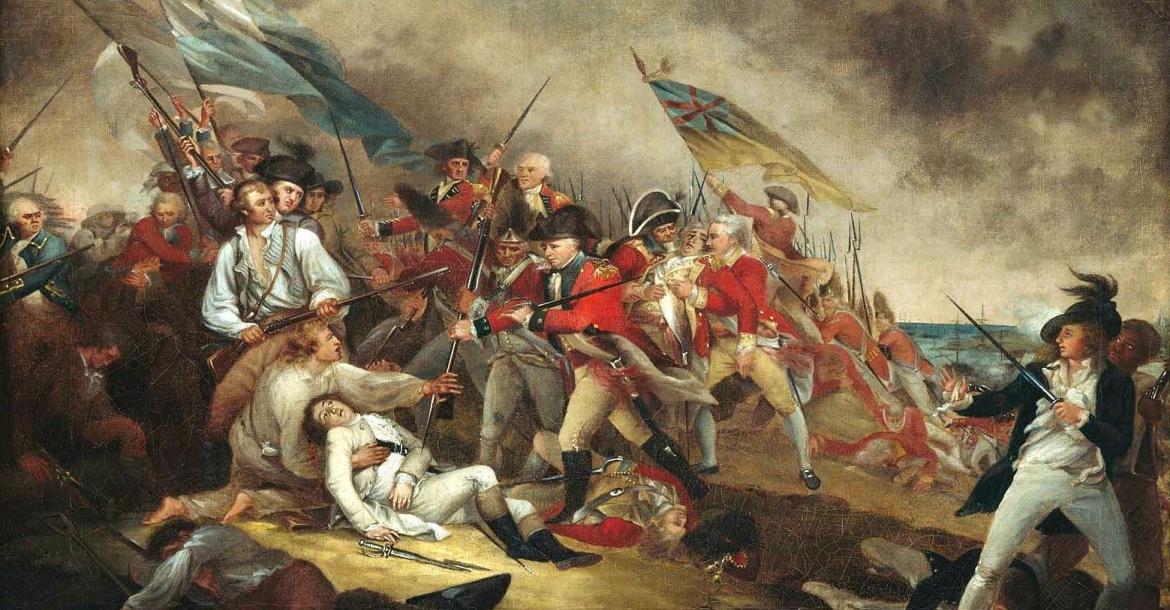
By Joseph J. EllisAmerican resistance to British authority developed with stunning speed 250 years ago in response to George III’s inflexibility.
American Rebels at Sea | Summer 2022, Vol 67, No 3
By Eric Jay DolinAn estimated 1500 privateering ships played a crucial role in winning the American Revolution, but their contributions are often forgotten.

Big Guns For Washington | April 1955, Vol 6, No 3
By Clay PerryHow tough Henry Knox hauled a train of cannon over wintry trails to help drive the British away from Boston

The Shots Heard Round the World | Spring 2025, Vol 70, No 2
By John FerlingWhat began as a civil war within the British Empire continued until it became a wider conflict affecting peoples and countries across Europe and North America.

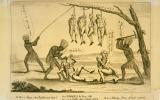
The Plight of Massachusetts Loyalists | Spring 2024, Vol 69, No 2
By Larry C. KerpelmanIn “the cradle of the American Revolution,” loyalists to the Crown faced a harsh choice: live with terrible abuse where they were, or flee to friendlier, but alien regions.
Classic Essays from the Archives
Finding the Real Jamestown | Winter 2008, Summer 2025, Vol 58, No 1
By William M. KelsoThe archaeologist who discovered the real Jamestown debunks myths, and answers age-old mysteries about North America's first successful English colony.

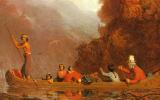
Searching for “Shenandoah” | Winter 2022, Summer 2025, Vol 67, No 1
By Bruce WatsonIt's one of the oldest folk ballads in our national songbook, but where did it come from? The answer is complex, multi-layered, American.
Did Sally Hemings and Thomas Jefferson Love Each Other? | Fall 2008, Summer 2025, Vol 70, No 3
By Annette Gordon-ReedTo call it a loaded question does not begin to do justice to the matter, given America’s tortured racial history and its haunting legacy.

SUPPORT AMERICAN HERITAGE BY BUYING A NEW EBOOK!