Trusted Writing on History, Travel, and American Culture Since 1949
SEARCH 75 YEARS OF ESSAYS!

Featured Essays
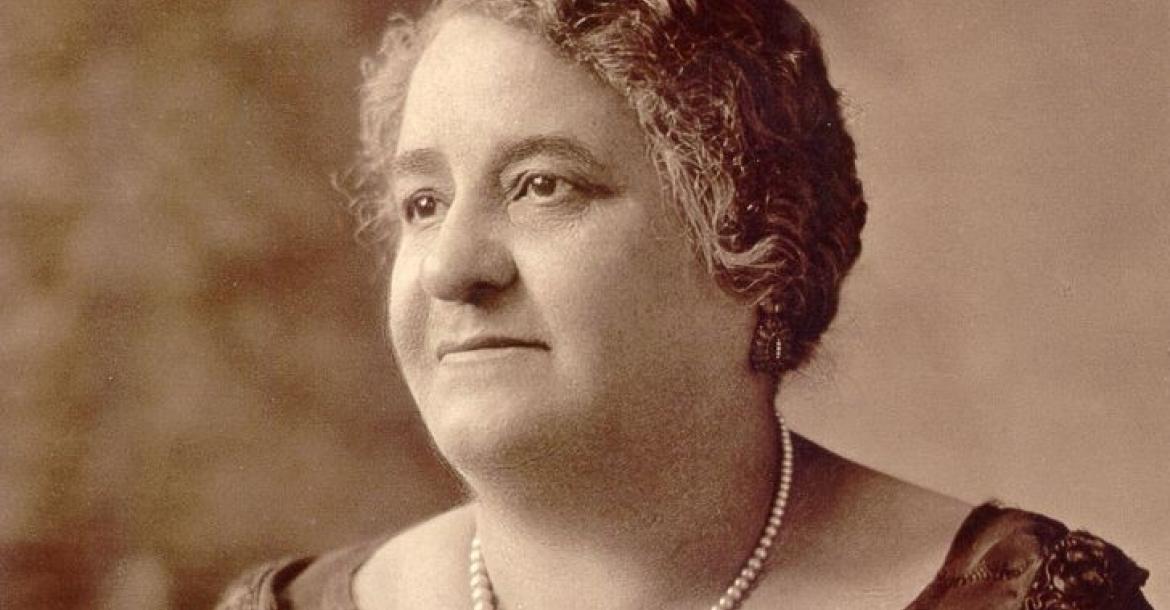
Some writers ignore a mountain of evidence contrary to their theories about the telephone's development.
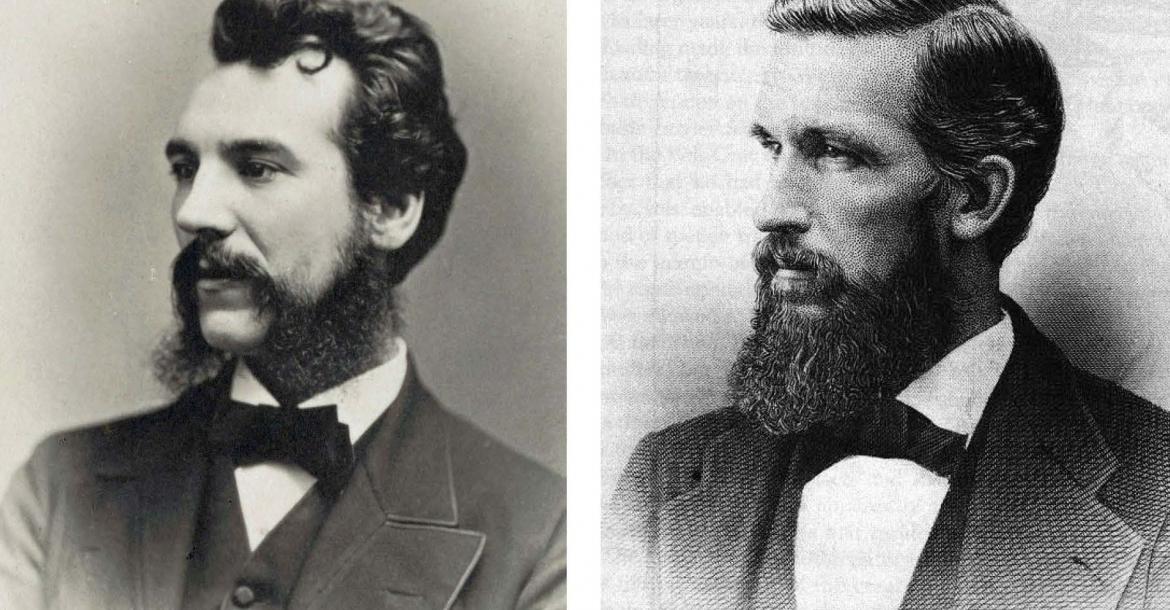
New evidence finally settles the 150-year-old debate as to whether Alexander Graham Bell or Elisha Gray first invented the telephone.
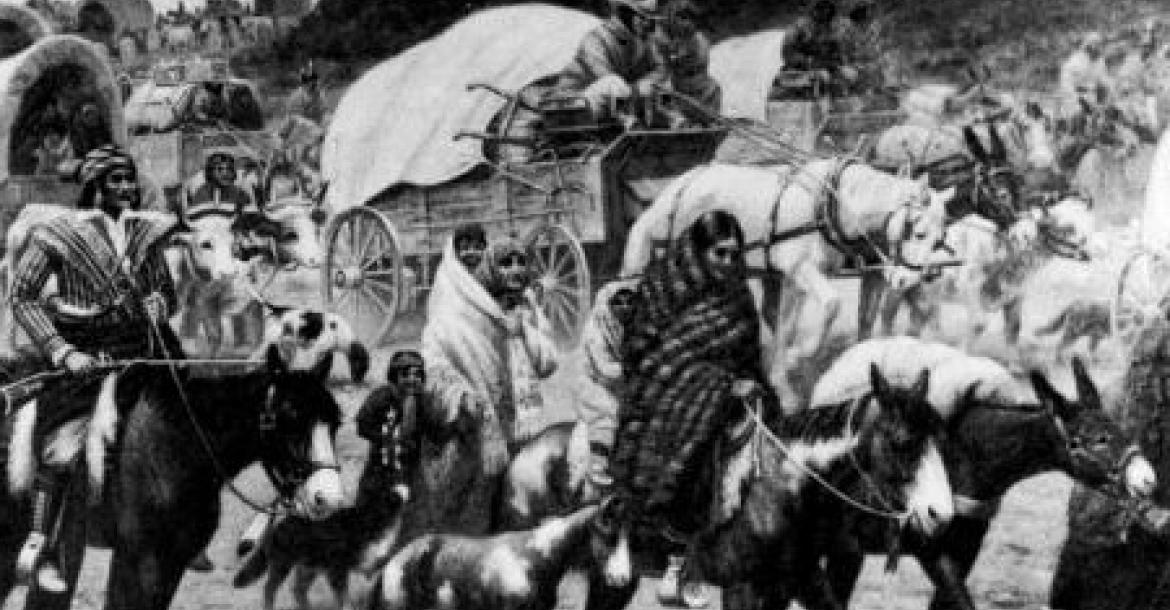
Museums and historic sites across the Southeast help us better understand Andrew Jackson, who helped define American democracy but also championed the brutal treatment of indigenous peoples.
America 250!
Revolution Song | Fall 2019 - George Washington Prize Books, Vol 64, No 5
By Russell ShortoThe American War for Independence was part of an international trend -- a new focus on the individual that inspired people to new insights, new proclamations, and new assertions of rights.

Leadership of the Founders | Winter 2026, Vol 71, No 1
By Joseph J. EllisOur nation came into being thanks to an unexpected explosion of political talent in an emerging nation on the fringe of the Atlantic world.
How One Man Launched a Revolution | Spring 2018 , Vol 63, No 1
By Christine GibsonThomas Paine's Common Sense helped Americans "decide upon the propriety of separation,” as George Washington said.
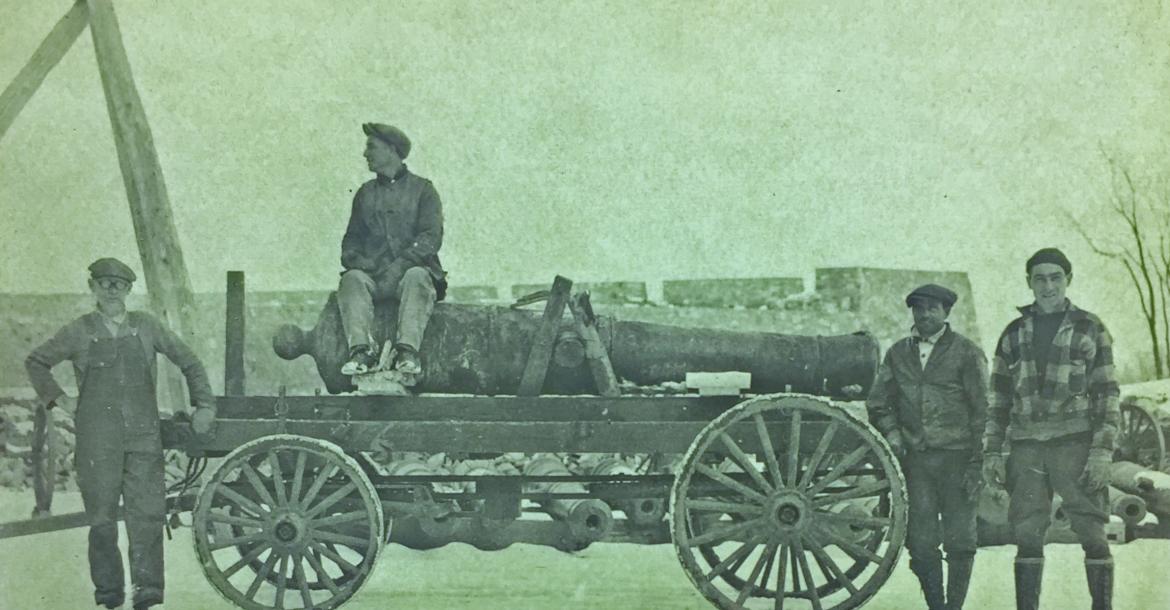
Glover and the “Indispensables” Save Washington’s Army | Spring 2024, Vol 69, No 2
By Patrick K. O'DonnellJohn Glover and the men of Marblehead saved the Continental Army several times, and then helped it cross the Delaware to victory at Trenton and Princeton.

“What, to the American Slave, Is the Fourth of July?” | Summer 2019, Vol 64, No 3
By Bruce WatsonIn what many consider the greatest anti-slavery oration ever given, Frederick Douglass called for “the storm, the whirlwind, and the earthquake.”
Classic Essays from the Archives
The Man of the Century | May/June 1994, Vol 45, No 3
By Arthur Schlesinger Jr.Of all the Allied leaders, argues FDR's biographer, only Roosevelt saw clearly the shape of the new world they were fighting to create.
America: Experiment or Destiny? | June 1977, Summer 2025, Vol 70, No 3
By Arthur Schlesinger Jr.We can take pride in our nation, not as we pretend to a commission from God and a sacred destiny, but as we struggle to fulfill our deepest values in an inscrutable world.

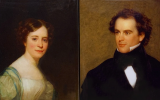
The Hawthornes In Paradise | December 1958, Summer 2025, Vol 70, No 3
By Malcolm CowleyNathaniel was poor and sunk in his solitude; Sophia seemed a hopeless invalid, but a late-flower love gave them at last “a perfect Eden.”
SUPPORT AMERICAN HERITAGE BY BUYING A NEW EBOOK!