Trusted Writing on History, Travel, and American Culture Since 1949
SEARCH 75 YEARS OF ESSAYS!

Featured Essays
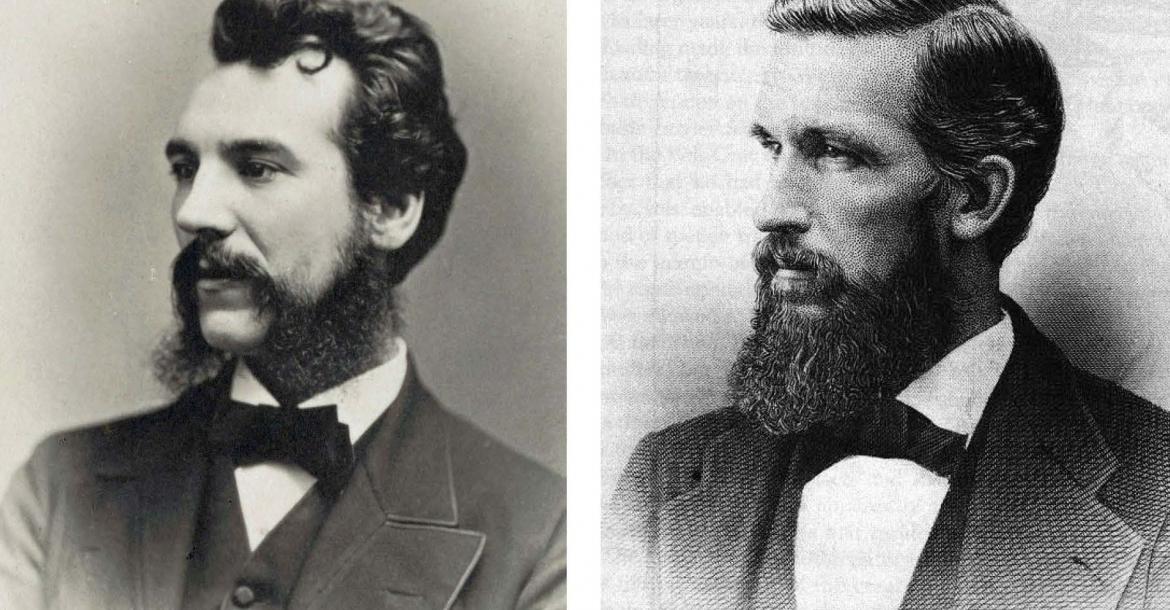
Some writers ignore a mountain of evidence contrary to their theories about the telephone's development.
New evidence finally settles the 150-year-old debate as to whether Alexander Graham Bell or Elisha Gray first invented the telephone.
Museums and historic sites across the Southeast help us better understand Andrew Jackson, who helped define American democracy but also championed the brutal treatment of indigenous peoples.
America 250!
America 50: The First Jubilee | Summer 2026, Vol 71, No 3
By Joseph Connor“And so old Mr. Adams is dead; on the 4th of July, too, just half a century after our Declaration of Independence...”
The Battle that Led to Victory at Yorktown | Fall 2019 - George Washington Prize Books, Vol 64, No 5
By Nathaniel PhilbrickLargely overlooked in histories of the Revolution, the Battle of the Chesapeake is in fact one of the most important naval engagements in history, leading to the American victory at Yorktown.

America 100: The Great Centennial Fair | Summer 2026, Vol 71, No 3
By Fergus M. BordewichThe extravaganza celebrating the nation’s first century was the greatest cultural event of America’s Gilded Age.
Leadership of the Founders | Winter 2026, Vol 71, No 1
By Joseph J. EllisOur nation came into being thanks to an unexpected explosion of political talent in an emerging nation on the fringe of the Atlantic world.
Why Is the American Revolution So Important? | Spring 2024, Vol 69, No 2
By Jack D. WarrenOur nation is free because, 250 years ago, brave men and women fought a war to establish the independence of the United States and created a system of government to protect the freedom of its citizens.
Classic Essays from the Archives
Did Sally Hemings and Thomas Jefferson Love Each Other? | Fall 2008, Summer 2025, Vol 58, No 5
By Annette Gordon-ReedTo call it a loaded question does not begin to do justice to the matter, given America’s tortured racial history and its haunting legacy.

Did Sally Hemings and Thomas Jefferson Love Each Other? | Fall 2008, Summer 2025, Vol 70, No 3
By Annette Gordon-ReedTo call it a loaded question does not begin to do justice to the matter, given America’s tortured racial history and its haunting legacy.
Two Intimate Enemies | September 2000, Summer 2025, Vol 70, No 3
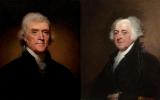
By Joseph J. EllisWhen John Adams was elected president, and Thomas Jefferson as vice president, each came to see the other as a traitor. Out of their enmity grew our modern political system.
SUPPORT AMERICAN HERITAGE BY BUYING A NEW EBOOK!