Trusted Writing on History, Travel, and American Culture Since 1949
SEARCH 75 YEARS OF ESSAYS!
Featured Essays
Some writers ignore a mountain of evidence contrary to their theories about the telephone's development.
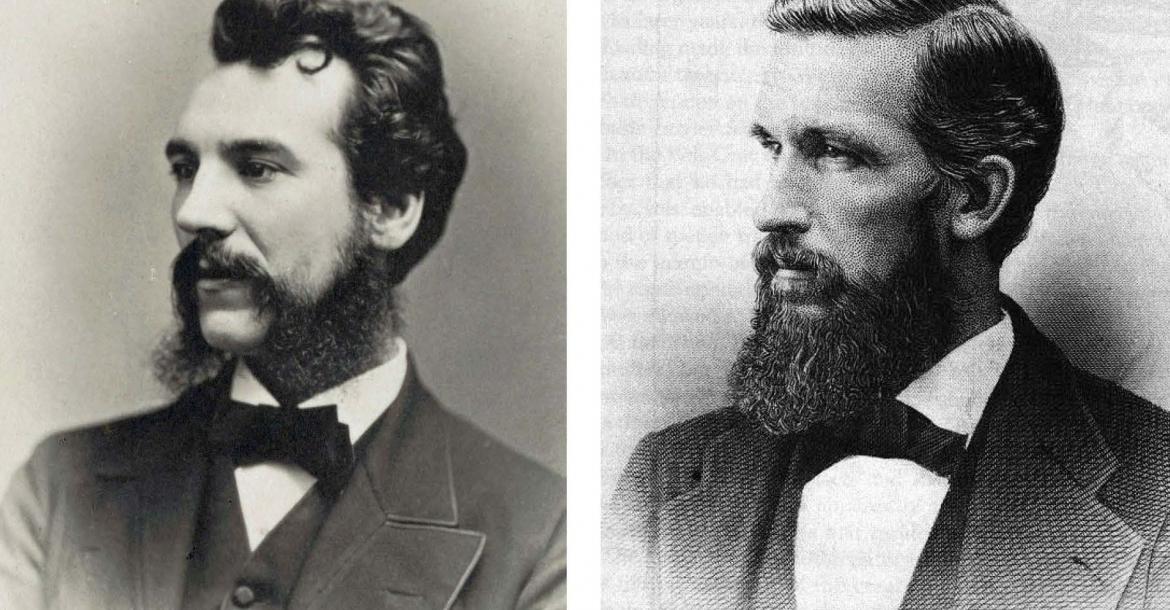
New evidence finally settles the 150-year-old debate as to whether Alexander Graham Bell or Elisha Gray first invented the telephone.
Museums and historic sites across the Southeast help us better understand Andrew Jackson, who helped define American democracy but also championed the brutal treatment of indigenous peoples.
America 250!
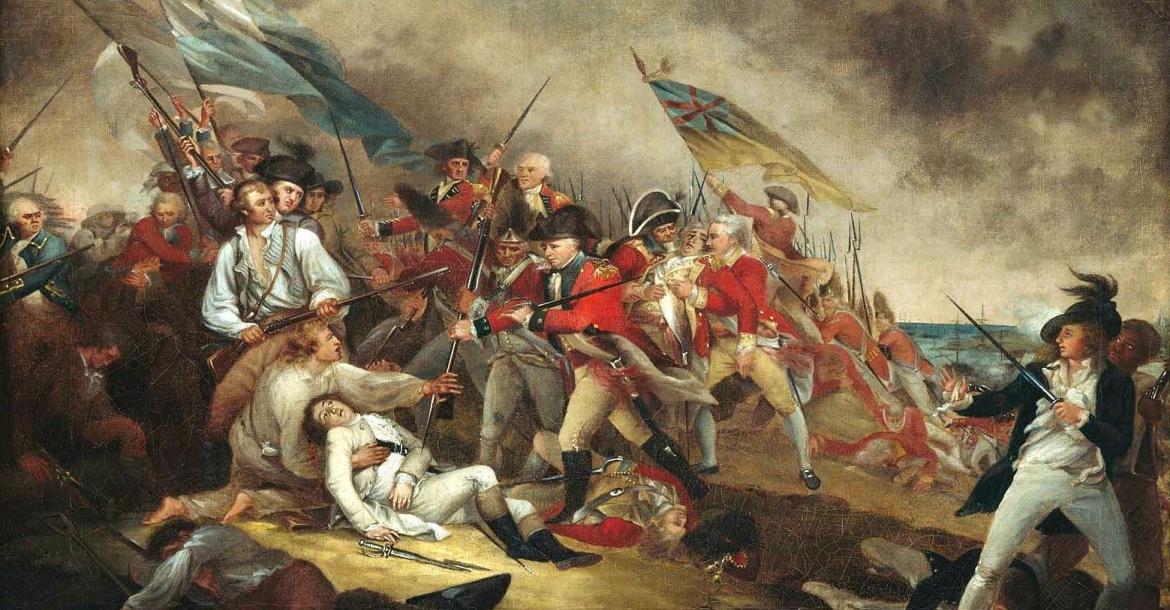
The Turning Point in the Revolutionary War | October 1997, Vol 48, No 6
By Richard M. Ketchum
Rethinking the Boston Massacre | Special Issue - George Washington Prize 2018, Vol 63, No 2
By Eric HinderakerIt is one of the most notorious incidents in American history, and also one of the least understood.
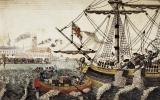
“Boston Harbor a Tea-pot This Night!” | Spring 2024, Vol 69, No 2
By Benjamin CarpThe dumping of tons of tea in protest set the stage for the American Revolution and was a window on the culture and attitudes of the time.
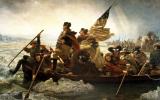
Glover and the “Indispensables” Save Washington’s Army | Spring 2024, Vol 69, No 2
By Patrick K. O'DonnellJohn Glover and the men of Marblehead saved the Continental Army several times, and then helped it cross the Delaware to victory at Trenton and Princeton.
Revolution Song | Fall 2019 - George Washington Prize Books, Vol 64, No 5
By Russell ShortoThe American War for Independence was part of an international trend -- a new focus on the individual that inspired people to new insights, new proclamations, and new assertions of rights.
Classic Essays from the Archives
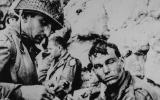
“Medic!” | November 1997, Vol 48, No 7
By Stephen E. AmbroseIn a hard war, theirs may have been the hardest job of all. Along with Army doctors and nurses, they worked something very close to a miracle in the European theater.
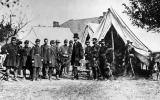
Lincoln As Commander in Chief | Winter 2009, Summer 2025, Vol 70, No 3
By James M. McPhersonEven though he had no military training, Lincoln quickly rose to become one of America’s most talented commanders.
FDR and His Women | March 2003, Summer 2025, Vol 70, No 3
By Ellen FeldmanA novelist who has just spent several years studying Eleanor Roosevelt, Lucy Rutherfurd, and Missy LeHand tells a moving story of love: public and private, given and withheld.
SUPPORT AMERICAN HERITAGE BY BUYING A NEW EBOOK!