Trusted Writing on History, Travel, and American Culture Since 1949
SEARCH 75 YEARS OF ESSAYS!

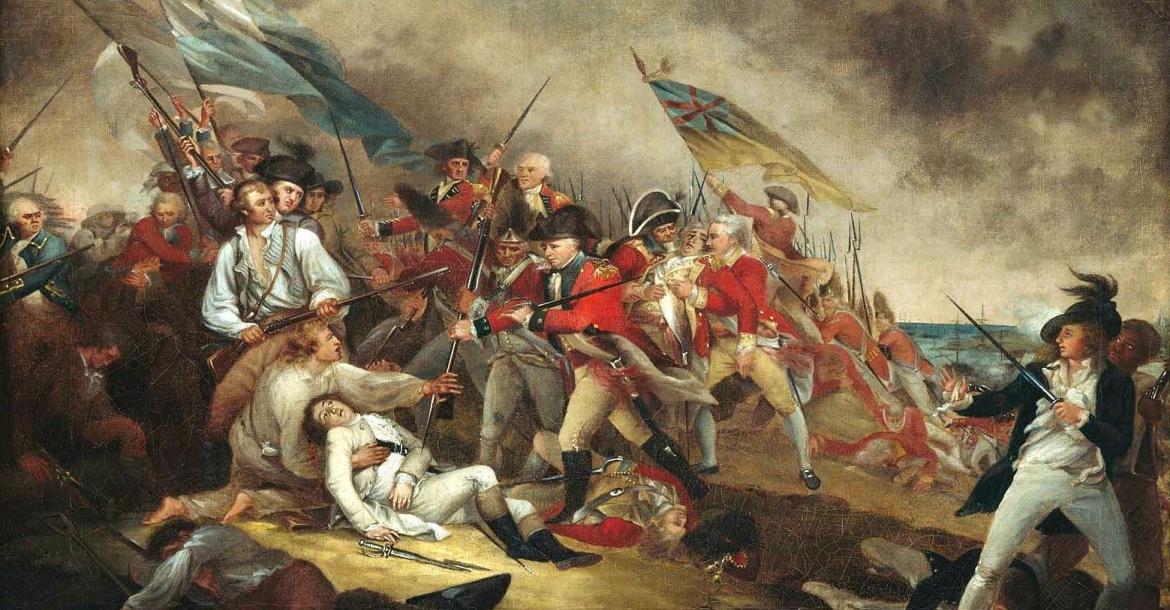
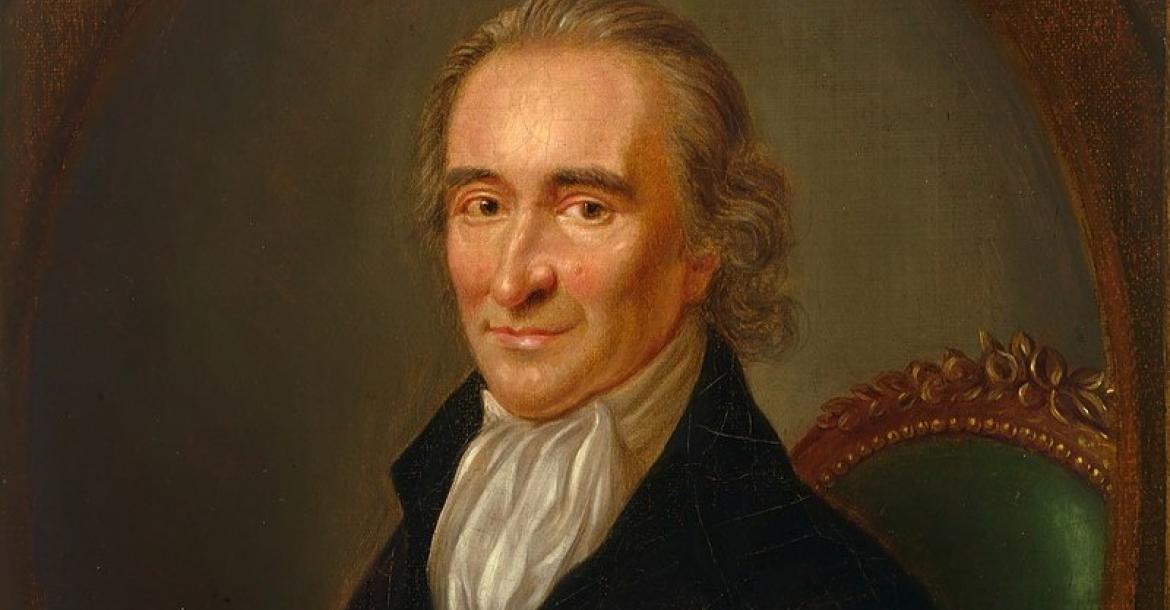
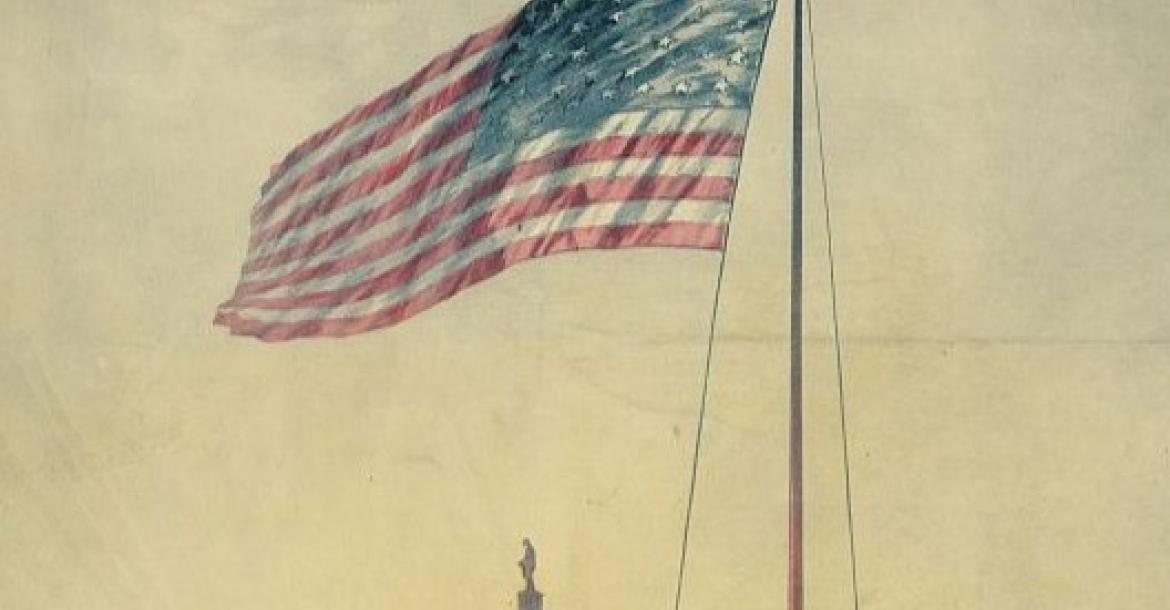
Featured Essays
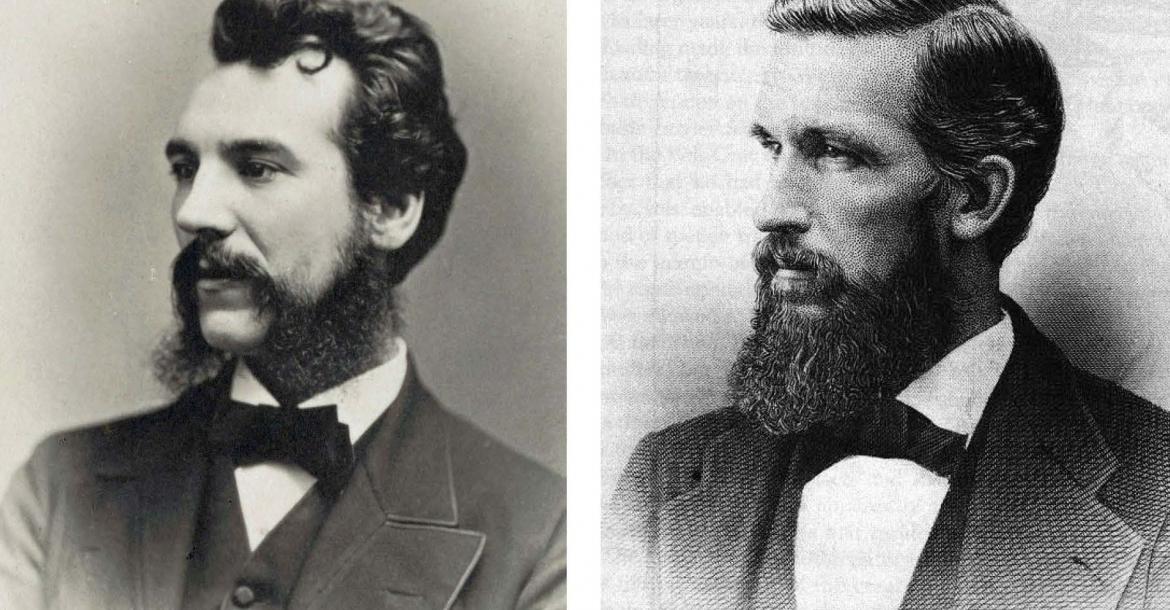
Some writers ignore a mountain of evidence contrary to their theories about the telephone's development.
New evidence finally settles the 150-year-old debate as to whether Alexander Graham Bell or Elisha Gray first invented the telephone.
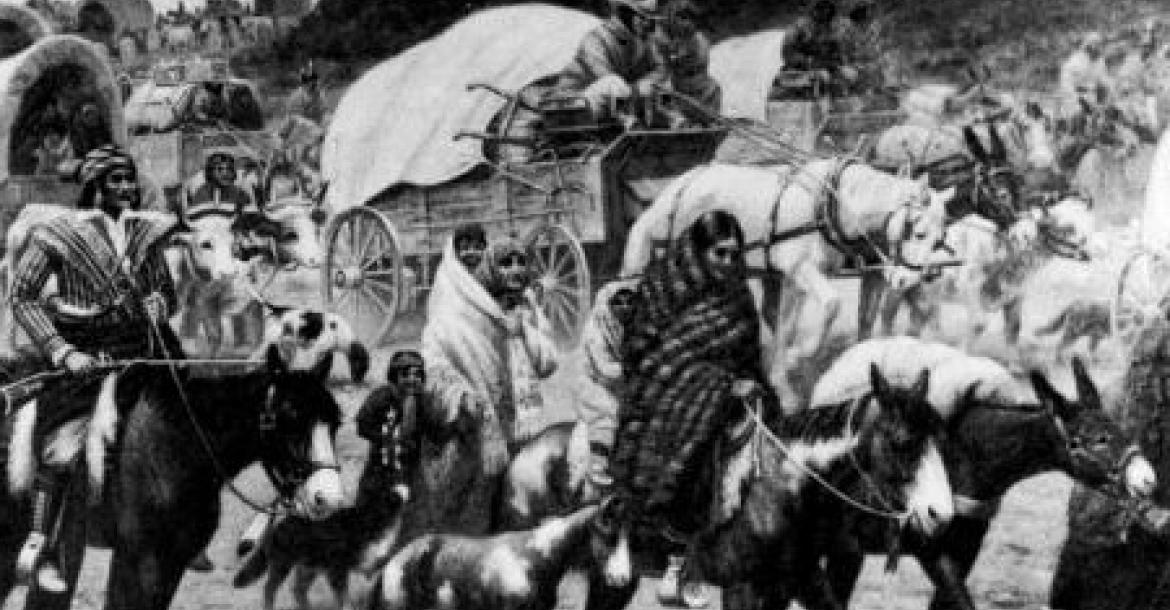
Museums and historic sites across the Southeast help us better understand Andrew Jackson, who helped define American democracy but also championed the brutal treatment of indigenous peoples.
America 250!
Drama on Dorchester Heights: Washington’s First Victory | Winter 2026, Vol 71, No 1
By Edward J. LarsonThe American patriots came up with a bold plan to force the British out of Boston 250 years ago this month.
Why Is the American Revolution So Important? | Spring 2024, Vol 69, No 2
By Jack D. WarrenOur nation is free because, 250 years ago, brave men and women fought a war to establish the independence of the United States and created a system of government to protect the freedom of its citizens.
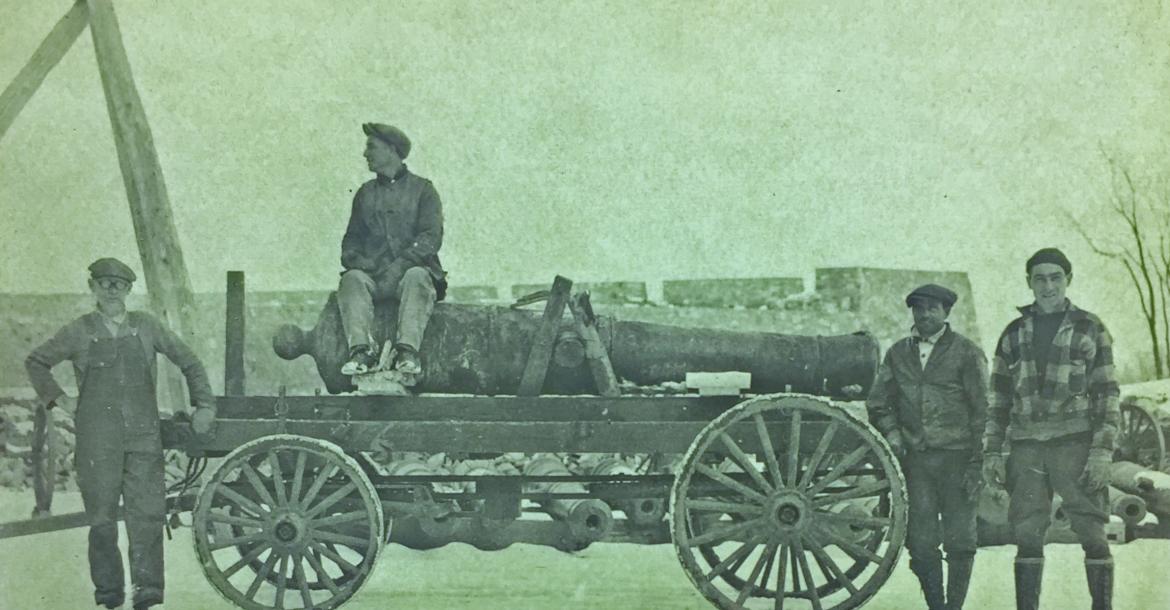
Knox Brings Cannon and Victory to General Washington | Fall 2025, Vol 70, No 4
By Edwin S. GrosvenorSetting out 250 years ago this month, Henry Knox’s “Noble Train” carried 60 tons of desperately needed artillery to help patriots oust British forces from Boston.

Discovered: First Maps of the American Revolution | Spring 2025, Vol 70, No 2
By Edwin S. GrosvenorPreviously unknown, a map drawn by Lord Percy, the British commander at Lexington, sheds new light on the perilous retreat to Boston 250 years ago this month.

American Rebels at Sea | Summer 2022, Vol 67, No 3
By Eric Jay DolinAn estimated 1500 privateering ships played a crucial role in winning the American Revolution, but their contributions are often forgotten.
Classic Essays from the Archives
The Hawthornes In Paradise | December 1958, Summer 2025, Vol 70, No 3
By Malcolm CowleyNathaniel was poor and sunk in his solitude; Sophia seemed a hopeless invalid, but a late-flower love gave them at last “a perfect Eden.”
A Yankee Among The War Lords | October 1970, Vol 21, No 6
By Barbara W. TuchmanFirst of the Three Parts from STILWELL THE AMERICAN EXPERIENCE IN CHINA 1911-1945

Did Sally Hemings and Thomas Jefferson Love Each Other? | Fall 2008, Summer 2025, Vol 58, No 5
By Annette Gordon-ReedTo call it a loaded question does not begin to do justice to the matter, given America’s tortured racial history and its haunting legacy.

SUPPORT AMERICAN HERITAGE BY BUYING A NEW EBOOK!