
Efforts continue to preserve the historic home of General John Glover in Swampscott, Massachusetts, which is still slated for demolition.
-
Spring 2026
11 months ago By Edwin S. Grosvenor Volume71Issue2
Editor’s Note: Nancy L. Schultz is a retired professor and chair of the Swampscott Historical Commission, which is working with other local partners to save the General John Glover Farmhouse. For more information, read her first article on the Glover House in American Heritage or visit SavetheGlover.org.
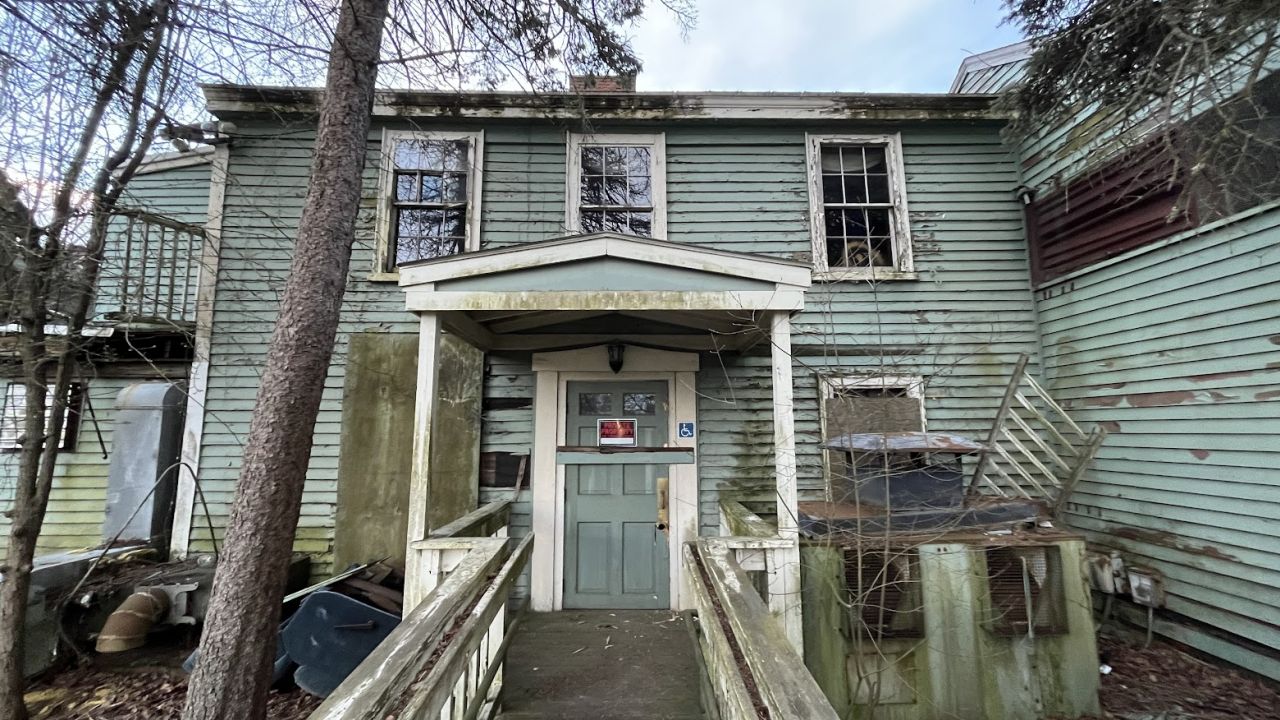
In the Spring 2024 issue of American Heritage, Editor-in-Chief Edwin S. Grosvenor put out a stirring call to action: “Save the Glover House!” It was an impassioned plea for patriots to step up and help with efforts to preserve the Massachusetts home of one of the American Revolution’s great heroes, General John Glover. And his indignant words from 2024 ring still true today: “It is beyond belief that anyone would be so callous and lacking in gratitude and patriotism as to tear down the house of one of the truly indispensable men of the war.”
In that issue I also wrote an essay describing the threat to this historic site, and together we asked: “On the eve of America 250, will our citizens rededicate ourselves to the original idea that fueled this struggle? Can the United States still hold out great promise for the world? Will we honor our veterans by preserving tangible memorials of their lives? Will we save the General John Glover house so that future generations can also embrace the promise?”

Since the publication of that issue, many readers have reached out to the magazine’s staff to ask about the status of the General John Glover Farmhouse. But while many forward steps have been taken, the answers to those original questions above are still not fully clear. Preservation efforts for the Glover House have intensified since 2024, with major developments including a formal Historic American Building Survey (HABS) report now permanently archived at the Library of Congress and continued public advocacy amid persistent demolition threats. With the incorporation of a new 501-c-3 non-profit, Save the Glover!, the movement has gained momentum through new documentation, expanded historical recognition, and ongoing community mobilization
As I wrote in 2024, there is a good chance that the United States would not be a country today without John Glover. On at least three occasions, he and his elite Marblehead regiment from Massachusetts saved General Washington’s army, including on that fateful Christmas night in 1776 when, during a raging snowstorm, Glover’s regiment ferried 2,400 soldiers, artillery, and horses across the ice-choked Delaware River in 60-foot-long boats.
In another essay in the Spring 2024 issue, Patrick K. O’Donnell recounted the heroic history of Glover and the Marblehead men, a motley crew of “indispensables” who shaped the Revolution and formed the origins of the U.S. Navy. “As at the crossing of the Delaware,” O’Donnell writes, “there were several other times when the American Revolution could have met an early, dramatic demise, had it not been for the SEAL-like operations and extraordinary battlefield achievements of this diverse, unsung group of men and their commander, John Glover.”
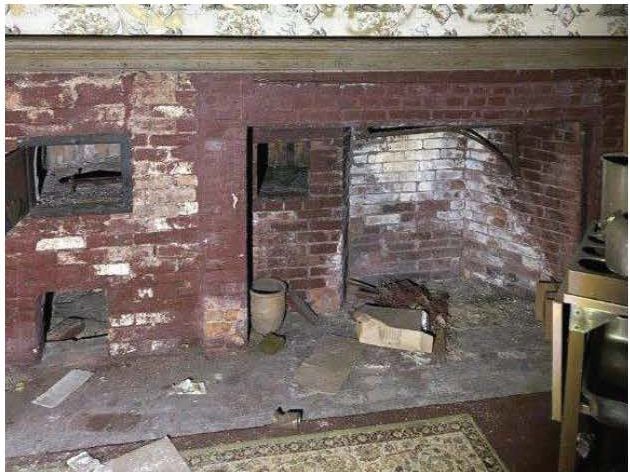
Glover certainly deserves what Thomas Paine demanded: “…the love and thanks of man and woman.” Yet Glover’s farmhouse, built in 1750 and associated with the general for over 200 years, is facing demolition, which would dishonor this hero and, therefore, our country. Below is a brief update on the Glover House preservation efforts since our first plea.
2024: Demolition Threat
The farmhouse was originally scheduled for demolition after July 1, 2024, prompting a surge of preservation activity. This threat catalyzed the formation and expansion of the “Save the General Glover Farmhouse” movement. The Swampscott Historical Commission completed the first building
The Commission received two matching grants: one from Essex National Heritage ($2,000), which was combined with American Rescue Plan (ARPA) funds from the town to begin work on an Historic American Building Survey (HABS) report; and one from the National Trust for Historic Preservation, which matched $5,000 for a Feasibility Study to explore ways the house can be made self-sustaining. Both studies are complete
2025: Preservation Campaign Intensifies
As the U.S. approached the 250th anniversary of the American Revolution, local historians and preservationists amplified efforts to save the farmhouse. In July 2025, the owners, the Athanas family, filed a second demolition request for the Glover farmhouse
National Development has proposed that it would preserve the farmhouse on site if $2 million in funds can be raised and the building exterior restored within the next 24 months. They are also asking for accommodations from the town regarding the height of one of the proposed residential buildings.
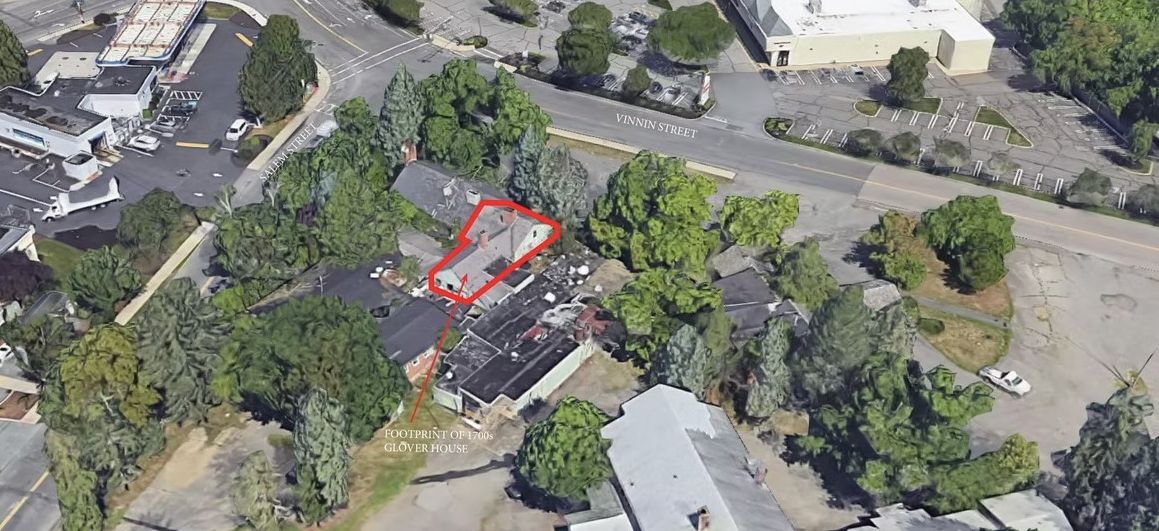
In November 2025, Preservation Massachusetts named the Glover farmhouse to
2026: Revolution 250 and Our Ongoing Preservation Effort
Save the Glover! has raised nearly $600,000 in donations and pledges. Local advocacy remains strong, but the property’s future is still uncertain due to development pressures. Public engagement continues to be critical, especially as the 250th anniversary draws near and interest in Revolutionary War heritage increases. We must preserve this essential site, which is linked to our struggle for independence.
What happens with fundraising in the next six months will likely determine the fate of this important legacy of General Glover. While the local area is highly engaged, they cannot do it alone. This is our national heritage. As with many capital campaigns and other preservation projects, SAVE THE GLOVER! will offer donors many opportunities to have their name associated with the great legacy of General John Glover and his farmhouse. Please visit Savetheglover.org to help preserve this important home so closely associated with our struggle for independence!