Trusted Writing on History, Travel, and American Culture Since 1949
SEARCH 75 YEARS OF ESSAYS!

Featured Essays
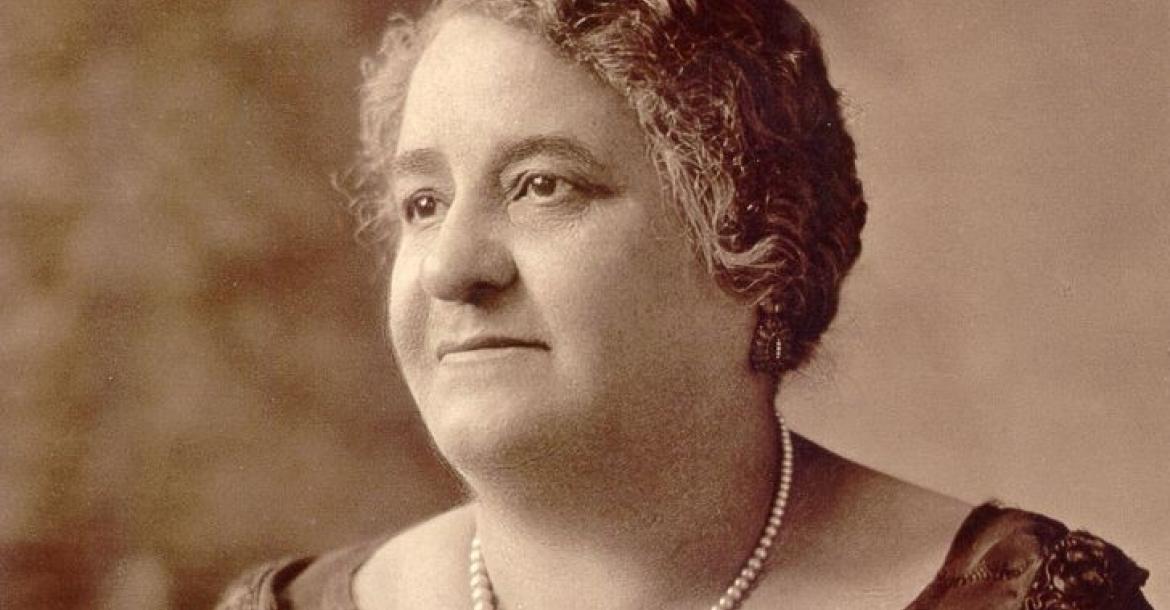
Some writers ignore a mountain of evidence contrary to their theories about the telephone's development.
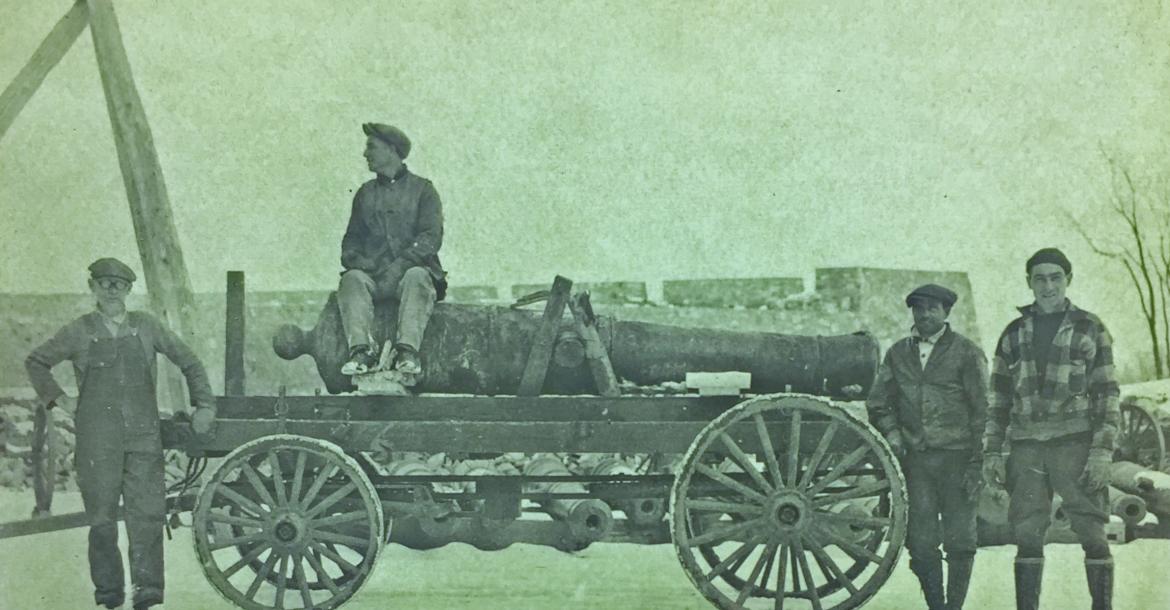
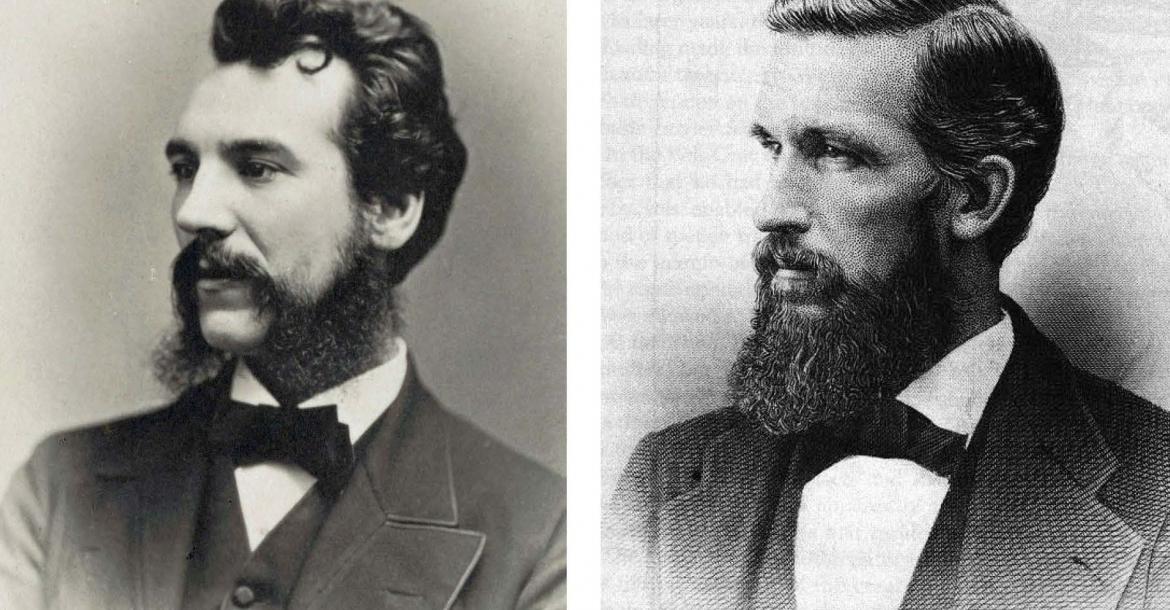
New evidence finally settles the 150-year-old debate as to whether Alexander Graham Bell or Elisha Gray first invented the telephone.
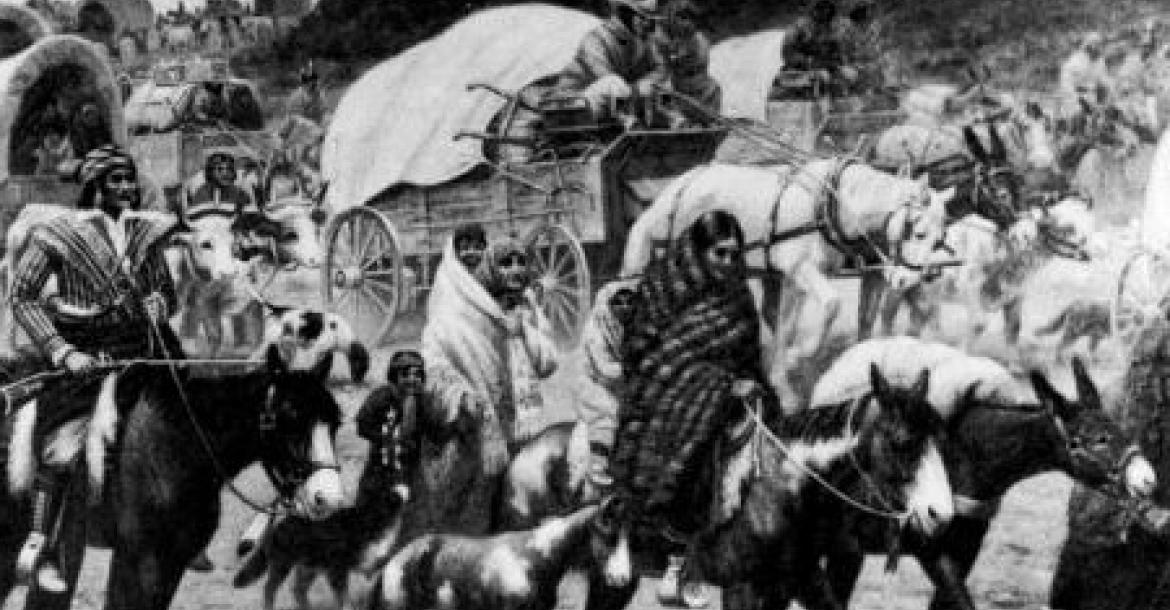
Museums and historic sites across the Southeast help us better understand Andrew Jackson, who helped define American democracy but also championed the brutal treatment of indigenous peoples.
America 250!
Lafayette: A Hero Among Heroes | Summer 2021, Vol 65, No 5
By Harlow Giles UngerNo figure in the Revolutionary era inspired as much affection and reverence as Gilbert du Motier, the Marquis de Lafayette

With Little Less Than Savage Fury | Fall 2010, Vol 60, No 3
By Thomas B. AllenAmerica’s first civil war took place during the Revolution, an ultra-violent, family-splitting, and often vindictive conflict between "patriots" and loyalists.
Why Is the American Revolution So Important? | Spring 2024, Vol 69, No 2
By Jack D. WarrenOur nation is free because, 250 years ago, brave men and women fought a war to establish the independence of the United States and created a system of government to protect the freedom of its citizens.
Glover and the “Indispensables” Save Washington’s Army | Spring 2024, Vol 69, No 2
By Patrick K. O'DonnellJohn Glover and the men of Marblehead saved the Continental Army several times, and then helped it cross the Delaware to victory at Trenton and Princeton.
Memory and America’s Birthday | Winter 2026, Vol 71, No 1
By Wilfred M. McClayWhile we “know” more and more about the American past, too many of our citizens are ignorant of who we are and where we came from.

Classic Essays from the Archives
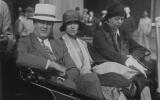
FDR and His Women | March 2003, Summer 2025, Vol 70, No 3
By Ellen FeldmanA novelist who has just spent several years studying Eleanor Roosevelt, Lucy Rutherfurd, and Missy LeHand tells a moving story of love: public and private, given and withheld.
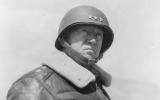
Ike's Son Remembers George S. Patton Jr. | Summer 2012, Vol 62, No 2
By John D. EisenhowerThe author, who once served under General Patton and whose father, Dwight D. Eisenhower, was Patton's commanding officer, shares his memories of "Ol' Blood and Guts."
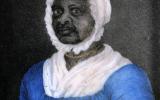
The Slave Who Sued for Freedom | March 1990, Vol 41, No 2
By Jon SwanWhile the American Revolution was still being fought, Mum Bett declared that the new nation’s principle of liberty must extend to her, too. It took 80 years and a far-more-terrible war to confirm the rights that she had demanded.
SUPPORT AMERICAN HERITAGE BY BUYING A NEW EBOOK!