Trusted Writing on History, Travel, and American Culture Since 1949
SEARCH 75 YEARS OF ESSAYS!

Featured Essays
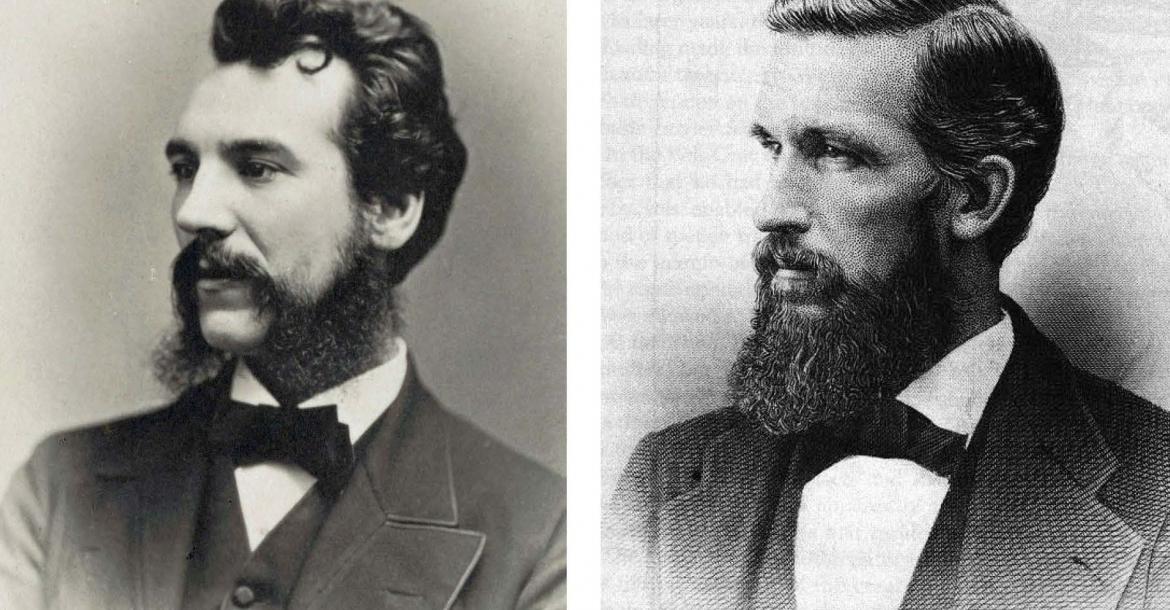
Some writers ignore a mountain of evidence contrary to their theories about the telephone's development.
New evidence finally settles the 150-year-old debate as to whether Alexander Graham Bell or Elisha Gray first invented the telephone.
Museums and historic sites across the Southeast help us better understand Andrew Jackson, who helped define American democracy but also championed the brutal treatment of indigenous peoples.
America 250!
The Shots Heard Round the World | Spring 2025, Vol 70, No 2
By John FerlingWhat began as a civil war within the British Empire continued until it became a wider conflict affecting peoples and countries across Europe and North America.

Leadership of the Founders | Winter 2026, Vol 71, No 1
By Joseph J. EllisOur nation came into being thanks to an unexpected explosion of political talent in an emerging nation on the fringe of the Atlantic world.
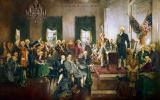
Memory and America’s Birthday | Winter 2026, Vol 71, No 1
By Wilfred M. McClayWhile we “know” more and more about the American past, too many of our citizens are ignorant of who we are and where we came from.

The Forgotten Battle of Menotomy | Spring 2025, Vol 70, No 2
By Michael RudermanOvershadowed in memory by Lexington and Concord, the Massachusetts town of Menotomy saw the most violent and deadly fighting on April 19, 1775.
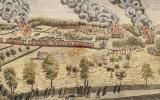
What Does “Consent of the Governed” Actually Mean? | Summer 2026, Vol 71, No 3
By Gordon S. WoodOur Founders profoundly transformed the way people participate in government.
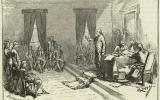
Classic Essays from the Archives
Searching for “Shenandoah” | Winter 2022, Summer 2025, Vol 70, No 3
By Bruce WatsonIt's one of the oldest folk ballads in our national songbook, but where did it come from? The answer is complex, multi-layered, American.
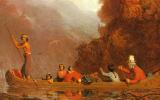
The Hawthornes In Paradise | December 1958, Summer 2025, Vol 10, No 1
By Malcolm CowleyNathaniel was poor and sunk in his solitude; Sophia seemed a hopeless invalid, but a late-flower love gave them at last “a perfect Eden.”
Finding the Real Jamestown | Winter 2008, Summer 2025, Vol 58, No 1
By William M. KelsoThe archaeologist who discovered the real Jamestown debunks myths, and answers age-old mysteries about North America's first successful English colony.
SUPPORT AMERICAN HERITAGE BY BUYING A NEW EBOOK!