Trusted Writing on History, Travel, and American Culture Since 1949
SEARCH 75 YEARS OF ESSAYS!

Featured Essays
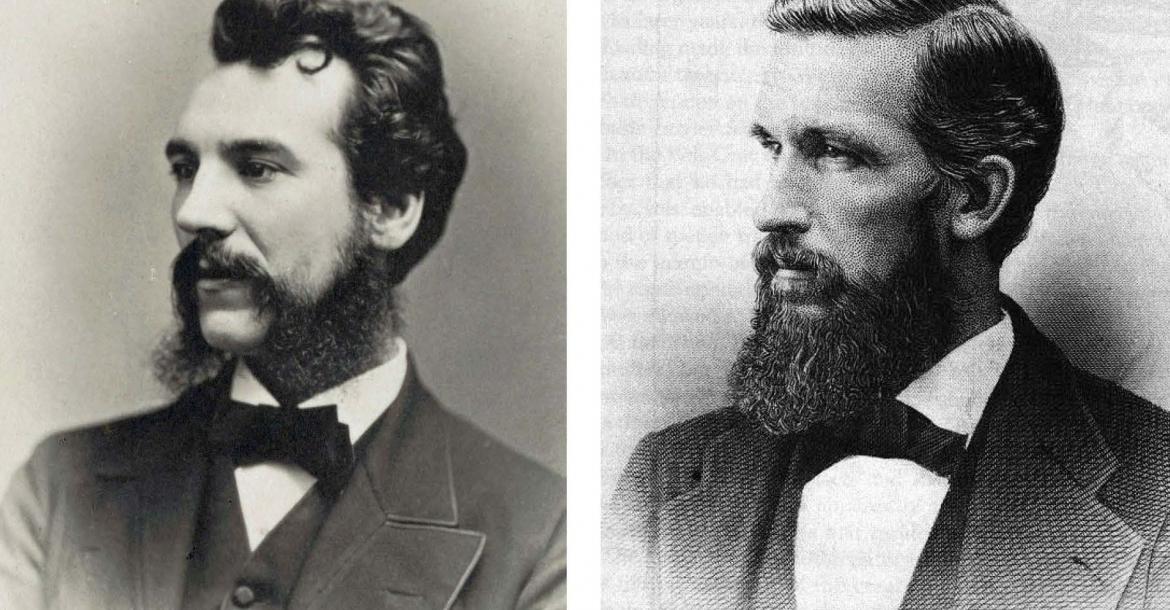
New evidence finally settles the 150-year-old debate as to whether Alexander Graham Bell or Elisha Gray first invented the telephone.
Some writers ignore a mountain of evidence contrary to their theories about the telephone's development.
Museums and historic sites across the Southeast help us better understand Andrew Jackson, who helped define American democracy but also championed the brutal treatment of indigenous peoples.
America 250!
With Little Less Than Savage Fury | Fall 2010, Vol 60, No 3
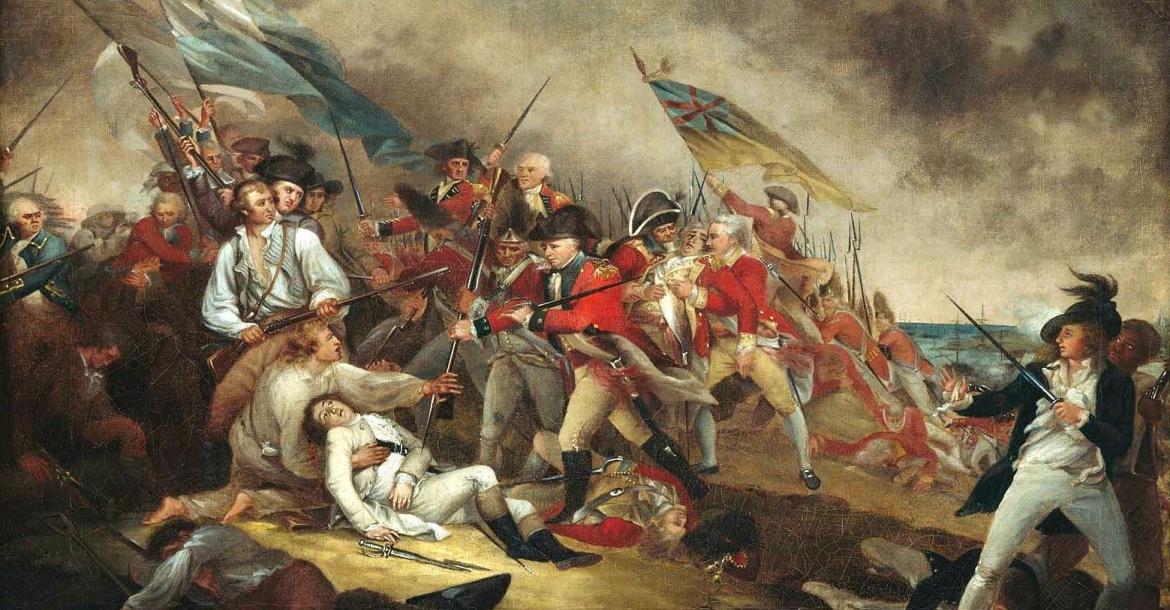
By Thomas B. AllenAmerica’s first civil war took place during the Revolution, an ultra-violent, family-splitting, and often vindictive conflict between "patriots" and loyalists.

How One Man Launched a Revolution | Spring 2018 , Vol 63, No 1
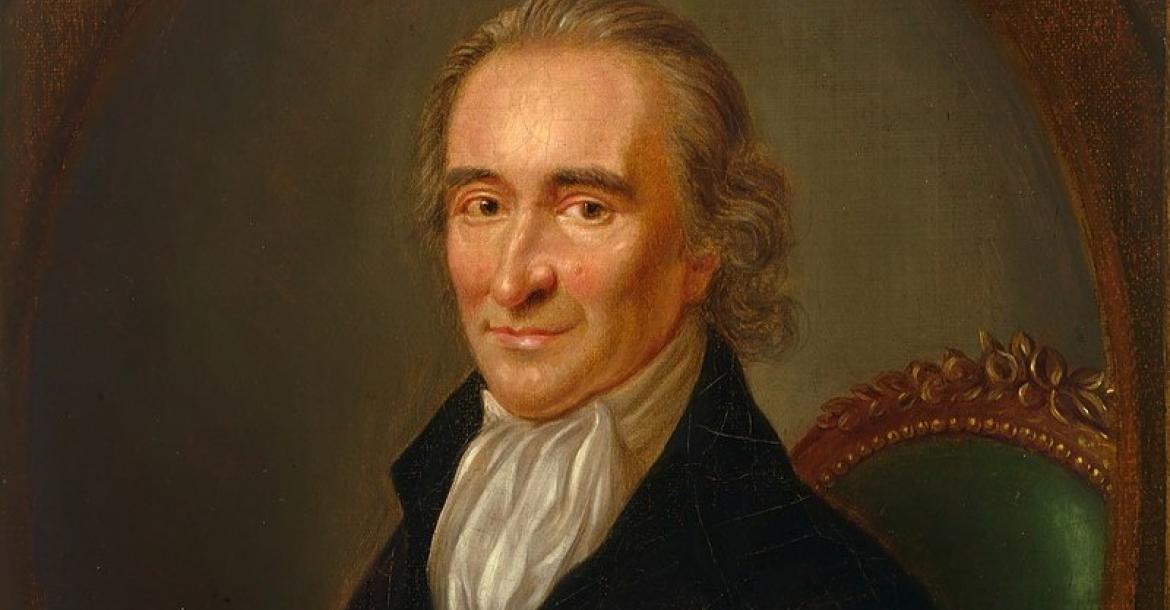
By Christine GibsonThomas Paine's Common Sense helped Americans "decide upon the propriety of separation,” as George Washington said.
America 100: The Great Centennial Fair | Summer 2026, Vol 71, No 3
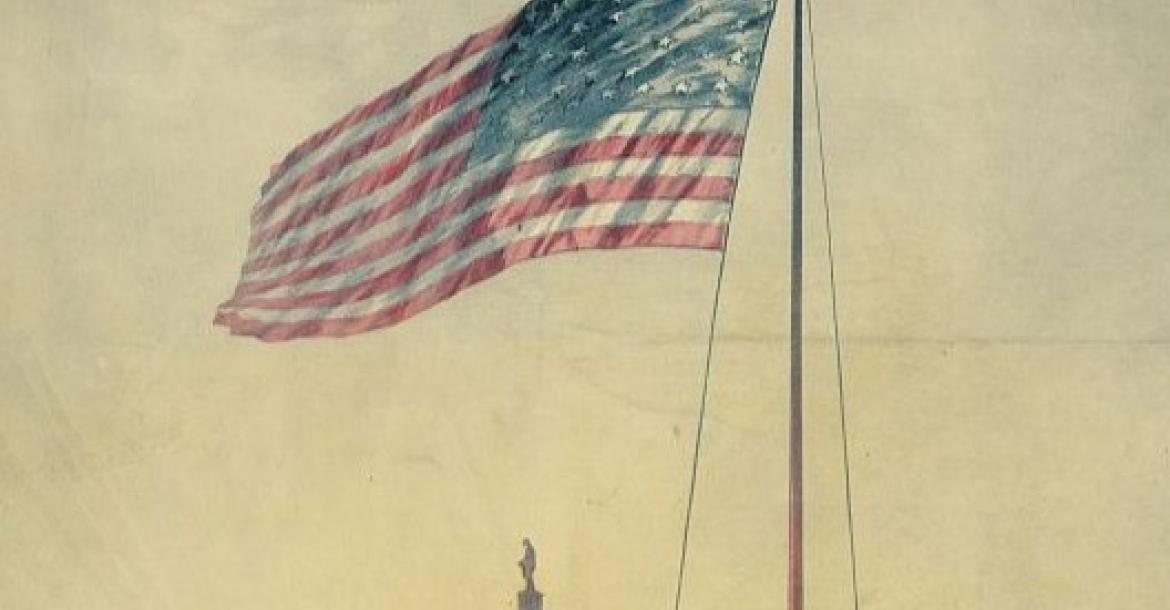
By Fergus M. BordewichThe extravaganza celebrating the nation’s first century was the greatest cultural event of America’s Gilded Age.
An Update on “Save the Glover!” | Spring 2026, Vol 71, No 2
By Nancy L. SchultzEfforts continue to preserve the historic home of General John Glover in Swampscott, Massachusetts, which is still slated for demolition.

“Shall We Have a King?” | Fall 2025, Vol 70, No 4
By William E. LeuchtenburgSome delegates at the Constitutional Convention wanted a strong executive, while others feared the American president might become a king.
Classic Essays from the Archives
Range Practice | Februrary 1968, Summer 2025, Vol 70, No 3
By Dean AchesonOur former Secretary of State recalls his service fifty years ago in the Connecticut National Guard—asthmatic horses, a ubiquitous major, and a memorable shooting practice.
A Yankee Among The War Lords | October 1970, Vol 21, No 6
By Barbara W. TuchmanFirst of the Three Parts from STILWELL THE AMERICAN EXPERIENCE IN CHINA 1911-1945
Ike's Son Remembers George S. Patton Jr. | Summer 2012, Vol 62, No 2
By John D. EisenhowerThe author, who once served under General Patton and whose father, Dwight D. Eisenhower, was Patton's commanding officer, shares his memories of "Ol' Blood and Guts."
SUPPORT AMERICAN HERITAGE BY BUYING A NEW EBOOK!