Trusted Writing on History, Travel, and American Culture Since 1949
SEARCH 75 YEARS OF ESSAYS!

Featured Essays
Some writers ignore a mountain of evidence contrary to their theories about the telephone's development.
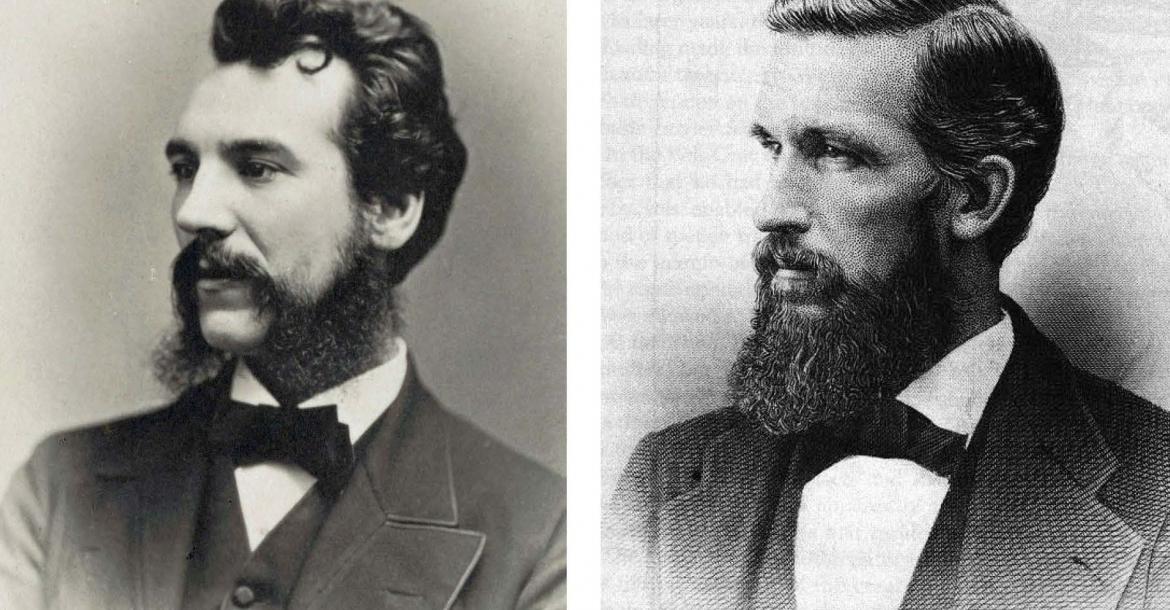
New evidence finally settles the 150-year-old debate as to whether Alexander Graham Bell or Elisha Gray first invented the telephone.
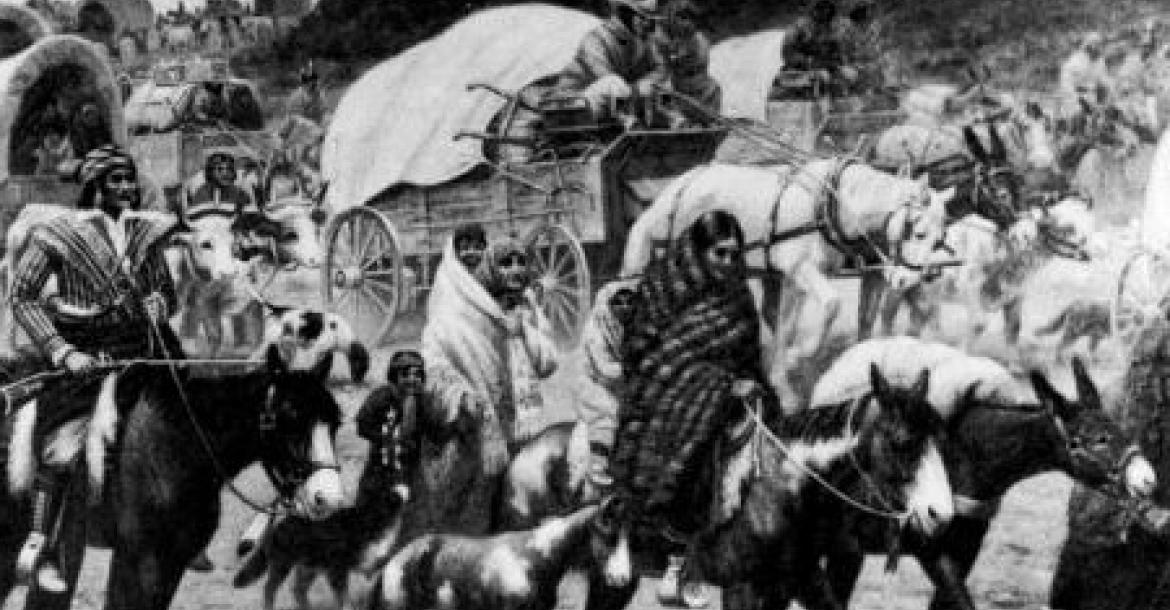
Museums and historic sites across the Southeast help us better understand Andrew Jackson, who helped define American democracy but also championed the brutal treatment of indigenous peoples.
America 250!
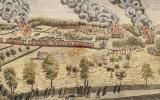
The Forgotten Battle of Menotomy | Spring 2025, Vol 70, No 2
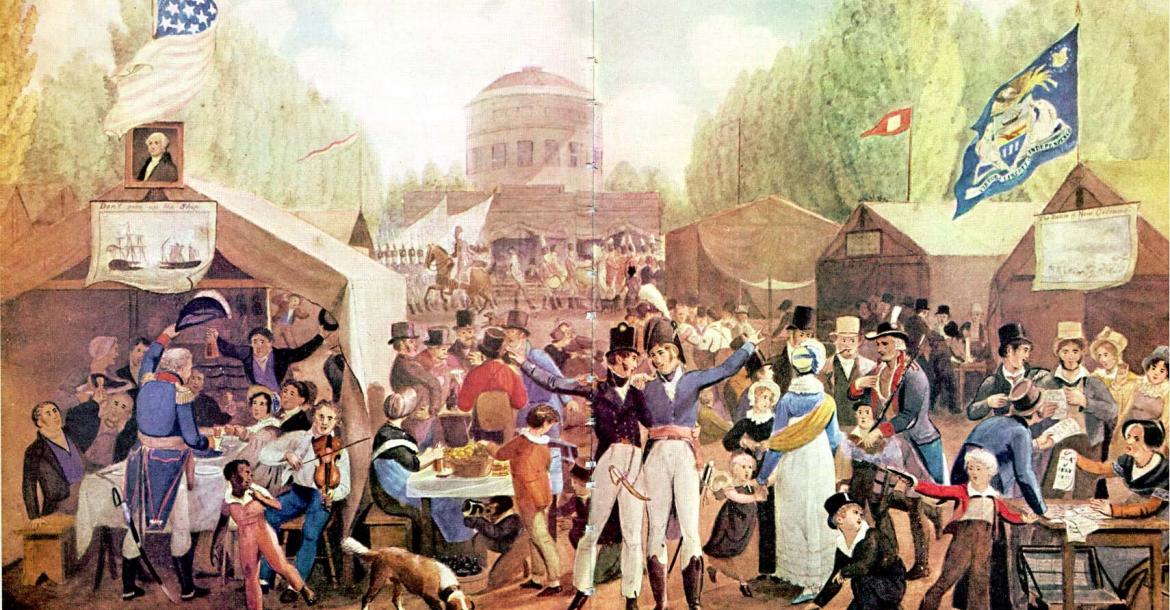
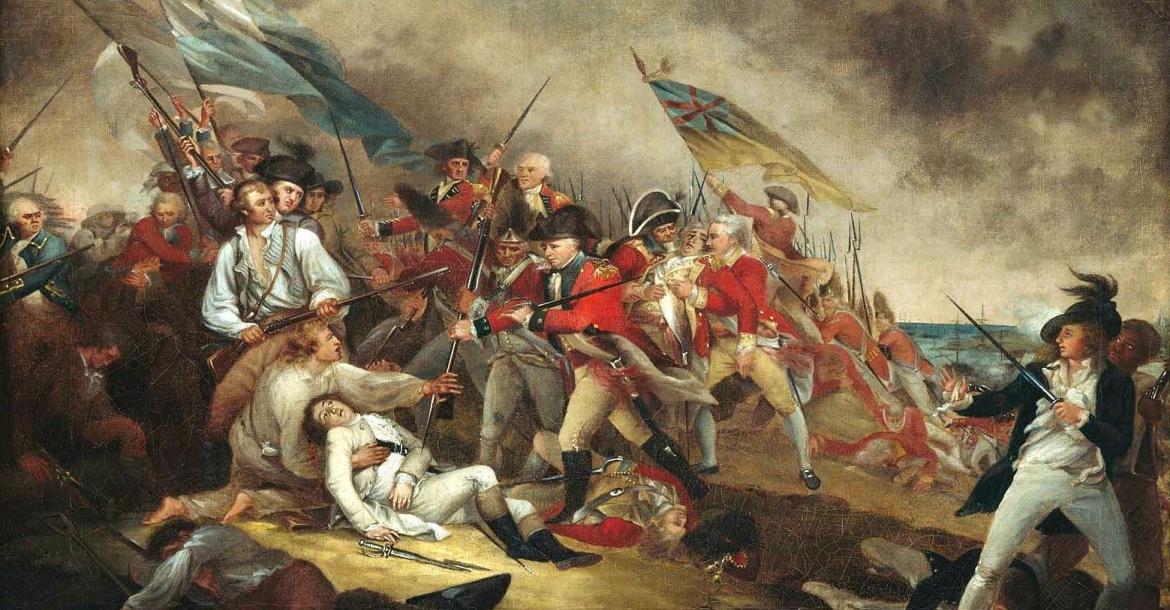
By Michael RudermanOvershadowed in memory by Lexington and Concord, the Massachusetts town of Menotomy saw the most violent and deadly fighting on April 19, 1775.
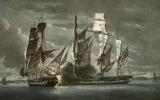
American Rebels at Sea | Summer 2022, Vol 67, No 3
By Eric Jay DolinAn estimated 1500 privateering ships played a crucial role in winning the American Revolution, but their contributions are often forgotten.
Lafayette: A Hero Among Heroes | Summer 2021, Vol 65, No 5
By Harlow Giles UngerNo figure in the Revolutionary era inspired as much affection and reverence as Gilbert du Motier, the Marquis de Lafayette

What Does “Consent of the Governed” Actually Mean? | Summer 2026, Vol 71, No 3
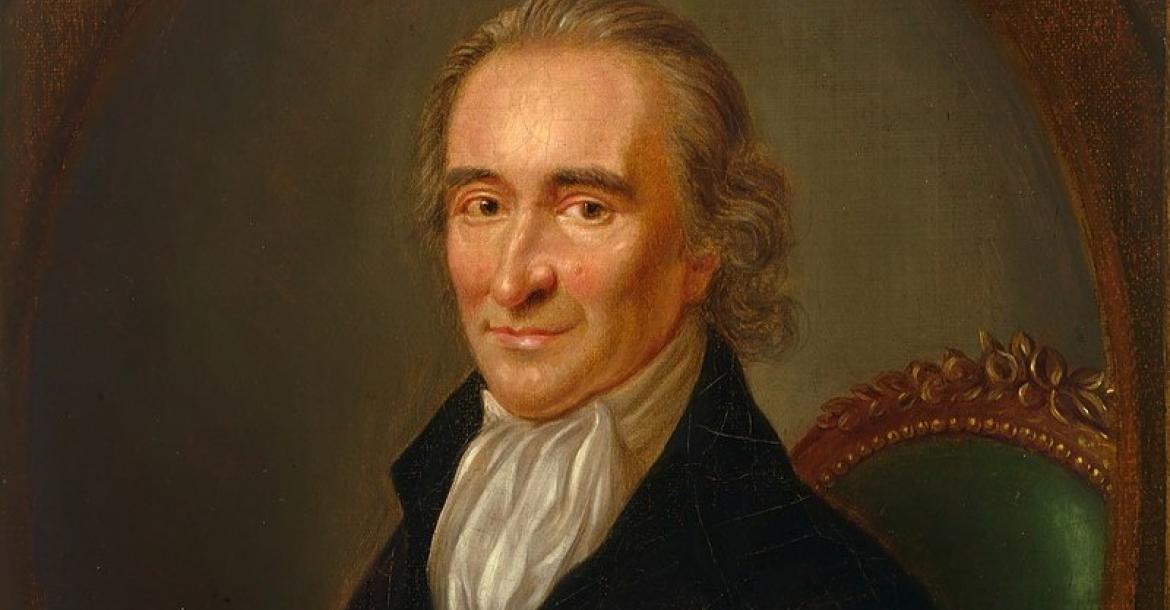
By Gordon S. WoodOur Founders profoundly transformed the way people participate in government.
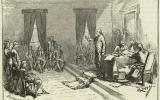
Drama on Dorchester Heights: Washington’s First Victory | Winter 2026, Vol 71, No 1
By Edward J. LarsonThe American patriots came up with a bold plan to force the British out of Boston 250 years ago this month.
Classic Essays from the Archives
Ike's Son Remembers George S. Patton Jr. | Summer 2012, Vol 62, No 2
By John D. EisenhowerThe author, who once served under General Patton and whose father, Dwight D. Eisenhower, was Patton's commanding officer, shares his memories of "Ol' Blood and Guts."

Did Sally Hemings and Thomas Jefferson Love Each Other? | Fall 2008, Summer 2025, Vol 70, No 3
By Annette Gordon-ReedTo call it a loaded question does not begin to do justice to the matter, given America’s tortured racial history and its haunting legacy.

“The Miraculous Care Of Providence” | February/March 1982, Vol 33, No 2
By James Thomas FlexnerGeorge Washington’s Narrow Escapes
SUPPORT AMERICAN HERITAGE BY BUYING A NEW EBOOK!