Trusted Writing on History, Travel, and American Culture Since 1949
SEARCH 75 YEARS OF ESSAYS!
Featured Essays
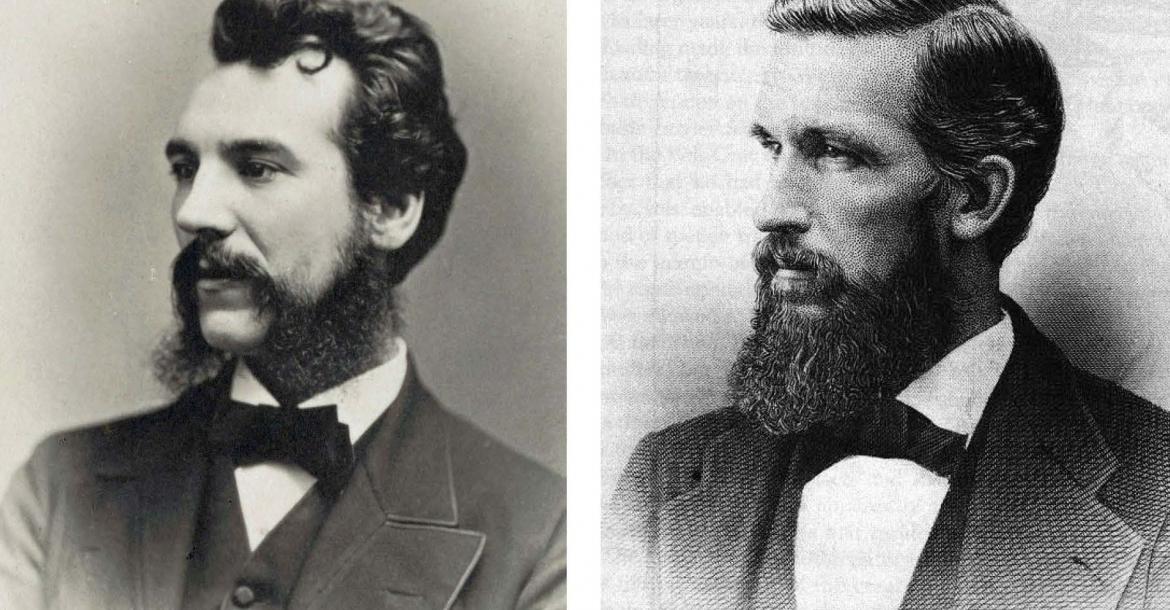
Some writers ignore a mountain of evidence contrary to their theories about the telephone's development.
New evidence finally settles the 150-year-old debate as to whether Alexander Graham Bell or Elisha Gray first invented the telephone.
Museums and historic sites across the Southeast help us better understand Andrew Jackson, who helped define American democracy but also championed the brutal treatment of indigenous peoples.
America 250!
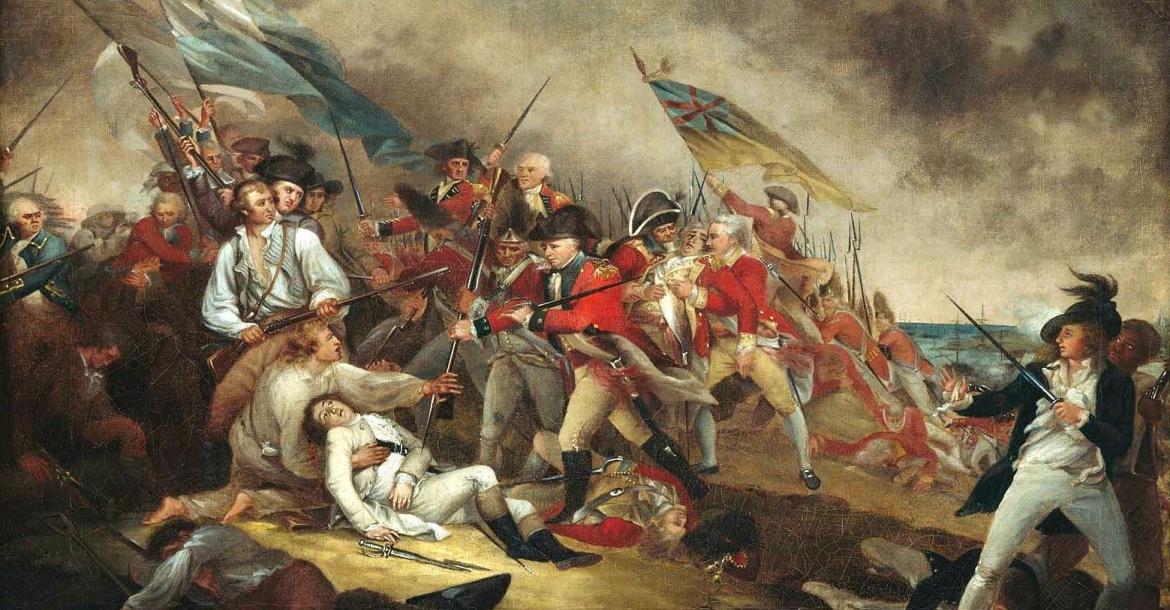
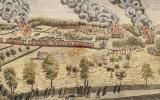
The Turning Point in the Revolutionary War | October 1997, Vol 48, No 6
By Richard M. Ketchum
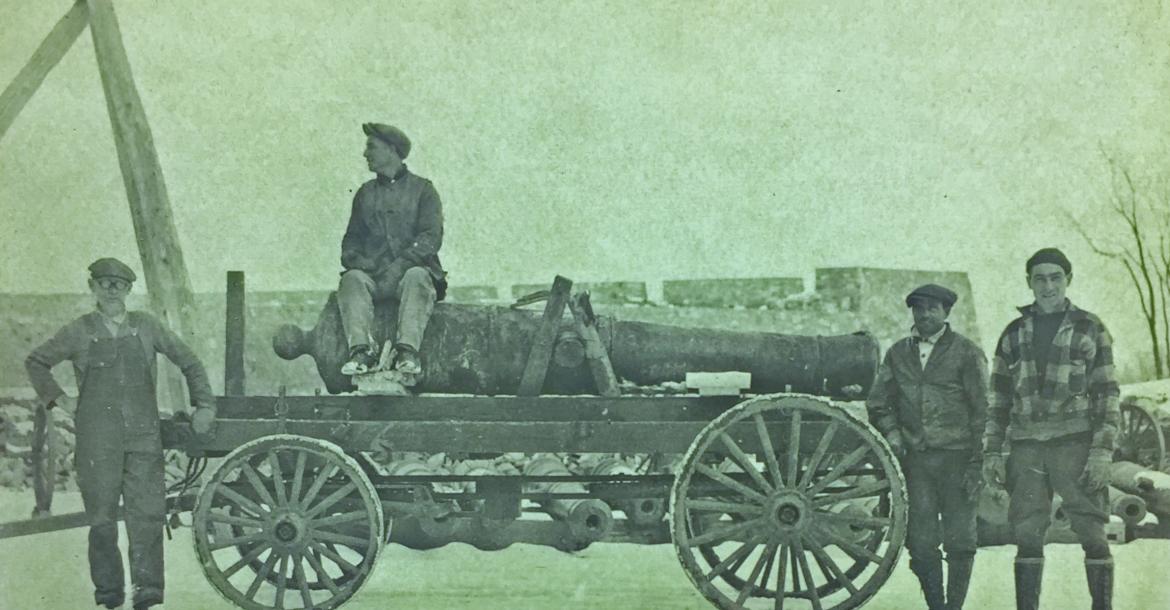
Knox Brings Cannon and Victory to General Washington | Fall 2025, Vol 70, No 4
By Edwin S. GrosvenorSetting out 250 years ago this month, Henry Knox’s “Noble Train” carried 60 tons of desperately needed artillery to help patriots oust British forces from Boston.
An Update on “Save the Glover!” | Spring 2026, Vol 71, No 2
By Nancy L. SchultzEfforts continue to preserve the historic home of General John Glover in Swampscott, Massachusetts, which is still slated for demolition.

Patriots or Terrorists? | Fall 2008, Vol 58, No 5
By Edwin G. BurrowsThe Lost Story of Revolutionary War POW’s
The Forgotten Battle of Menotomy | Spring 2025, Vol 70, No 2
By Michael RudermanOvershadowed in memory by Lexington and Concord, the Massachusetts town of Menotomy saw the most violent and deadly fighting on April 19, 1775.
Classic Essays from the Archives
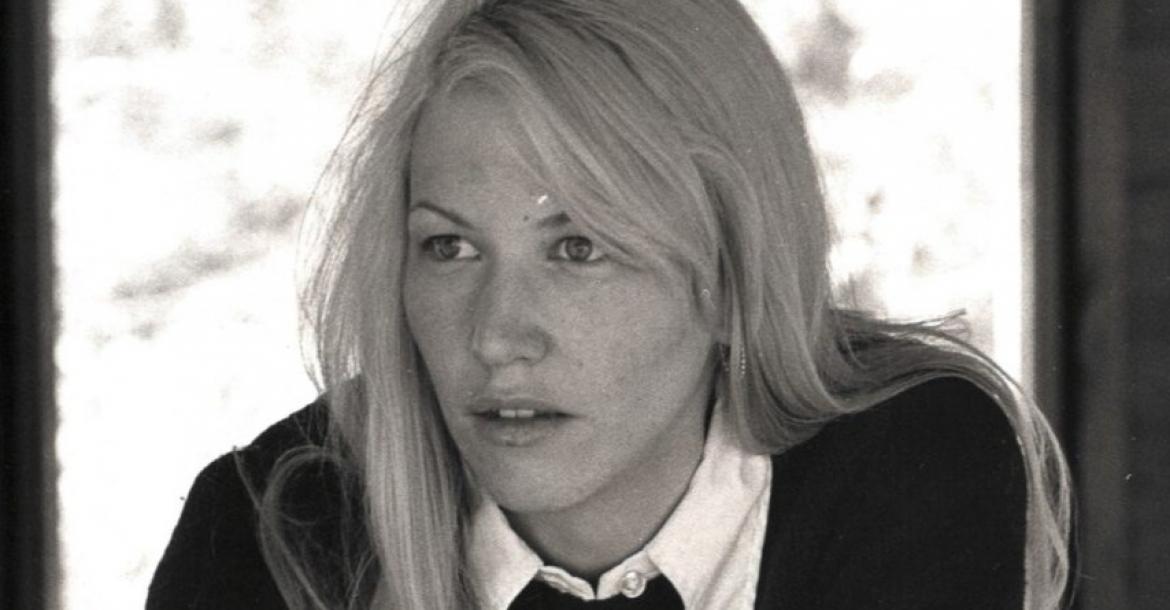
Alice Paul: “I Was Arrested, Of Course…” | February 1974, Summer 2025, Vol 70, No 3
By Robert S. GallagherAn interview with the famed suffragette, Alice Paul

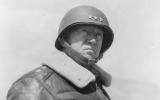
Ike's Son Remembers George S. Patton Jr. | Summer 2012, Vol 62, No 2
By John D. EisenhowerThe author, who once served under General Patton and whose father, Dwight D. Eisenhower, was Patton's commanding officer, shares his memories of "Ol' Blood and Guts."
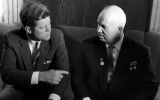
How My Father and President Kennedy Saved The World | October 2002, Vol 53, No 5
By Sergei KhrushchevThe Cuban Missile Crisis as seen from the Kremlin
SUPPORT AMERICAN HERITAGE BY BUYING A NEW EBOOK!